

Living With Vulvar Burning: Understanding Pain, Treatment Options & Cannabis Research

Gynecological Pain

When Burning and Intimate Pain Become Difficult to Ignore

A burning sensation around the vulva can make everyday activities unexpectedly uncomfortable. Sitting for extended periods, wearing fitted clothing, exercising, or being intimate with a partner may become painful.

For some people, the discomfort comes and goes. For others, it persists for months without an obvious explanation. The uncertainty can be frustrating, especially when treatments for infections or irritation do not seem to help.

As interest in medical cannabis grows, some people with persistent vulvar pain wonder whether cannabinoids such as THC or CBD might offer relief.

One possible explanation is vulvodynia, a chronic pain condition affecting the vulva. However, burning in this area can also result from infections, skin disorders, hormonal changes, or other medical conditions that require different treatments.

Clinical Evidence & Guidance (ACOG)

The question deserves careful consideration. Although some people report using cannabis for gynecological pain, there is not enough high-quality clinical evidence to recommend cannabis as a treatment for vulvodynia. Understanding the cause of the burning and exploring established treatment options remain essential first steps.

Quick Answer

What Helps With Vulvodynia and Vulvar Burning?

Treatment depends on what is causing the symptoms.

Individualized Care Plan

For vulvodynia, a clinician may recommend gentle vulvar care, pelvic floor physical therapy, topical medication, selected oral medicines, or psychological support as part of an individualized pain-management plan.

ACOG Clinical Guidance

Medical cannabis has not been adequately studied in rigorous clinical trials for vulvodynia, so its effectiveness and safety for this condition remain uncertain. The American College of Obstetricians and Gynecologists (ACOG) states that available evidence is insufficient to recommend cannabis products for gynecological pain conditions. (ACOG)

🩺
Persistent burning should not automatically be attributed to vulvodynia. A proper evaluation can help distinguish chronic vulvar pain from infections, dermatitis, hormonal changes, and other conditions.

What Is Vulvodynia?

Vulvodynia is vulvar pain that lasts for at least three months and is not adequately explained by an identifiable medical condition.
The vulva is the external genital area, including the labia and the tissue surrounding the vaginal opening. Vulvodynia may affect a specific area or a larger portion of the vulva.
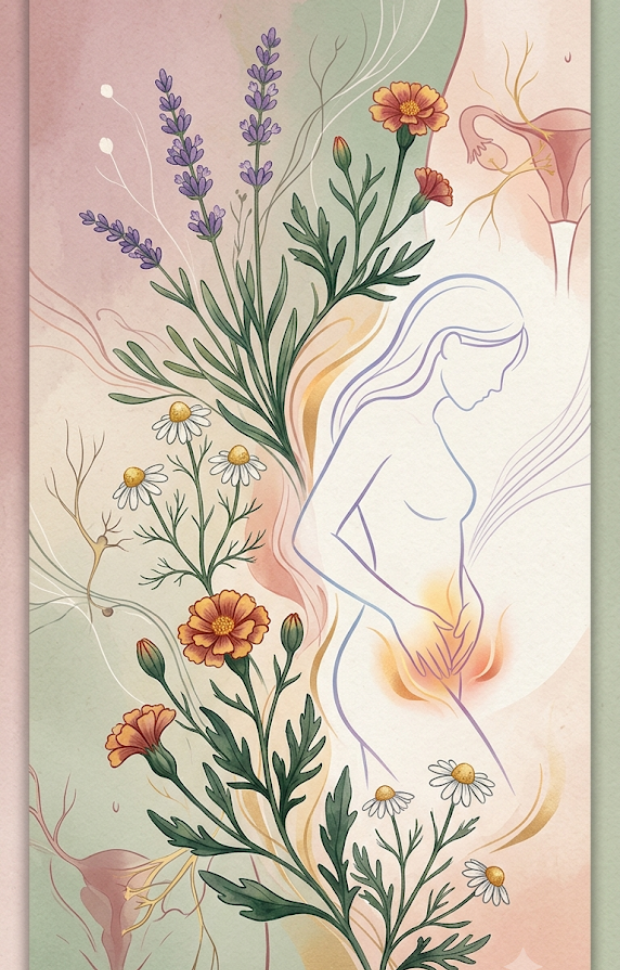
Symptom Overview

People Commonly Describe the Discomfort As:

Ā 

Burning or stinging

Ā 

Rawness or irritation

Ā 

Aching or soreness

Ā 

Throbbing

Ā 

Pain when the area is touched

Ā 

Discomfort during sexual activity

Ā 

Pain while sitting or wearing tight clothing

Symptoms may be constant or intermittent. Some people experience pain spontaneously, while others notice it mainly when the vulva is touched or pressure is applied.

šŸ’”
Vulvodynia is a genuine pain condition, even when the vulvar skin looks normal. Its causes are not fully understood and may involve several contributing factors, including nerve sensitivity, pelvic floor dysfunction, inflammation, or previous irritation. (ACOG)

What Can Cause Vulvar Burning?

Vulvar burning is a symptom, not a diagnosis. Several conditions can cause similar discomfort, and their treatments differ.

Understanding Causes of Vulvar Pain & Burning

01

Vulvodynia

When vulvar pain persists for three months or longer without an identifiable cause, a clinician may consider vulvodynia.

Pain may be localized around the vaginal opening or affect a more extensive area. Some people experience pain mainly with touch, while others have spontaneous burning.

02

Yeast Infections & Other Infections

Vaginal yeast infections and certain sexually transmitted infections can cause burning, itching, soreness, or changes in vaginal discharge. A urinary tract infection may also cause burning during urination, although the source of the discomfort may be different.

Because symptoms overlap, testing may be necessary before starting treatment. Repeatedly using antifungal products without confirming the cause can sometimes delay the correct diagnosis.

03

Contact Dermatitis & Skin Conditions

Fragranced soaps, wipes, detergents, deodorants, pads, and some lubricants can irritate sensitive vulvar skin.

Skin disorders, including lichen sclerosus and lichen planus, can also cause burning, itching, soreness, and visible changes to the skin. These conditions require appropriate examination and treatment. (ACOG)

04

Hormonal Changes

Lower estrogen levels during perimenopause, menopause, or certain other circumstances can contribute to vulvovaginal dryness, irritation, and painful intercourse.

When hormonal changes are responsible, treatments directed at the underlying cause may be more appropriate than general pain-relief approaches.

05

Pelvic Floor Muscle Dysfunction

The muscles supporting the pelvic organs can become overly tense or fail to relax appropriately.

This may contribute to pelvic discomfort, painful penetration, and symptoms that overlap with vulvodynia. Pelvic floor physical therapy may be helpful when muscle dysfunction is identified.

How Is Vulvodynia Diagnosed?

There is no single laboratory test that confirms every case of vulvodynia. Diagnosis usually involves evaluating symptoms and excluding other explanations for the pain.
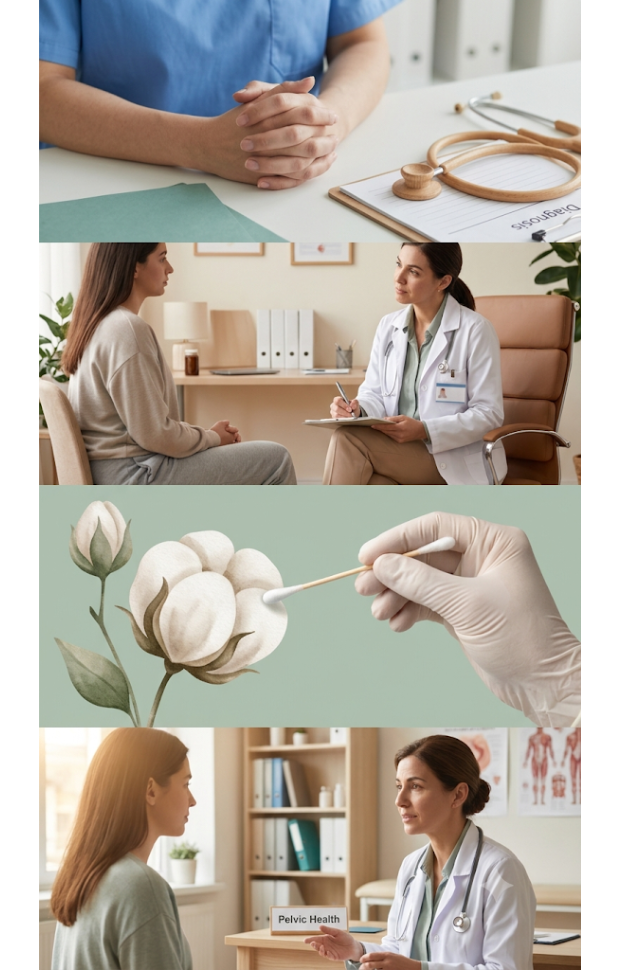
Healthcare Professional Evaluation Steps
1
Review when the symptoms started, where they occur, and what makes them worse.
2
Ask about previous infections, medications, skin conditions, menstrual or hormonal changes, and treatments already tried.
3
Examine the vulvar skin for irritation, lesions, or other abnormalities.
4
Use gentle cotton-swab testing to identify areas of tenderness when appropriate.
5
Collect samples or arrange additional testing if an infection or another condition is suspected.
6
Assess pelvic floor muscles when muscle dysfunction may be contributing.

Ā 
The purpose is not simply to label the pain. It is to identify treatable causes and develop a plan that reflects the person’s symptoms and needs. (ACOG)

What Does Research Say About Medical Cannabis for Vulvodynia?

Cannabis contains compounds known as cannabinoids. THC (tetrahydrocannabinol) is intoxicating, while CBD (cannabidiol) is generally non-intoxicating but can still cause side effects and medication interactions.

These compounds interact with biological signaling systems involved in pain perception and other functions. This has prompted interest in cannabinoids for several chronic pain conditions, including pain affecting the reproductive and pelvic regions.

However, evidence specifically concerning vulvodynia remains extremely limited.

Survey Data

A small online survey involving 38 people with vulvodynia reported that participants perceived improvements in several symptoms after cannabis use. However, a survey cannot establish that cannabis caused the improvement, determine whether it works better than a placebo, or establish a safe and effective dose. (Wiley Online Library)

Clinical Guidelines

A clinical review of vulvar conditions also concluded that there was insufficient evidence to recommend medical cannabis for vulvodynia. (European guideline)

Key Takeaway: Some people report symptom relief, but these reports do not establish cannabis as an effective or proven treatment for vulvodynia.

Could Cannabis Help With Pain or Discomfort?

Some individuals explore cannabis because persistent pain affects their sleep, mobility, mood, or ability to participate in everyday activities.
It is important to distinguish general research on cannabis and pain from evidence specific to vulvodynia.
Studies involving other pain conditions cannot establish that cannabis will reduce vulvar burning, improve sexual function, or address the underlying cause of pelvic pain.
ACOG’s 2024 clinical consensus emphasizes that evidence is insufficient to recommend cannabis products for gynecological pain conditions and highlights the need to discuss possible benefits, adverse effects, and limitations with patients. (ACOG)
Anyone considering cannabis for persistent vulvar pain should first discuss the symptoms with a qualified healthcare professional, particularly if the cause has not been established.

THC vs. CBD: Is One Better for Vulvar Pain?

There is currently insufficient clinical evidence to identify THC or CBD as a preferred treatment for vulvodynia.

THC Profile

THC may cause intoxication, dizziness, impaired coordination, anxiety, or changes in perception. Its effects vary according to dose, product strength, and individual sensitivity.

CBD Profile

CBD does not typically produce the same intoxicating effects as THC, but it is not risk-free. It may cause adverse effects and interact with prescription medicines.

There is also insufficient evidence to establish the safety and effectiveness of cannabis creams, oils, or other products applied to the vulvar area. Products intended for ordinary skin use should not automatically be assumed safe for sensitive vulvar tissue or internal vaginal use.

Avoid applying cannabis products to the vulva or inside the vagina without advice from an appropriately qualified clinician. Irritating ingredients, fragrances, and other additives may worsen symptoms.

Established Treatment Options for Vulvodynia

Although vulvodynia can be difficult to manage, several treatment approaches may help. More than one intervention may be needed, and improvement can take time.
Gentle Vulvar Care
Reducing exposure to potential irritants may help minimize additional discomfort. Practical measures include:
  • Avoiding fragranced soaps, sprays, wipes, and deodorants around the vulva
  • Washing gently with water or a clinician-recommended product
  • Wearing comfortable, breathable underwear
  • Avoiding tight clothing when it aggravates symptoms
  • Using an appropriate lubricant during sexual activity
  • Avoiding unnecessary topical treatments that may irritate the skin
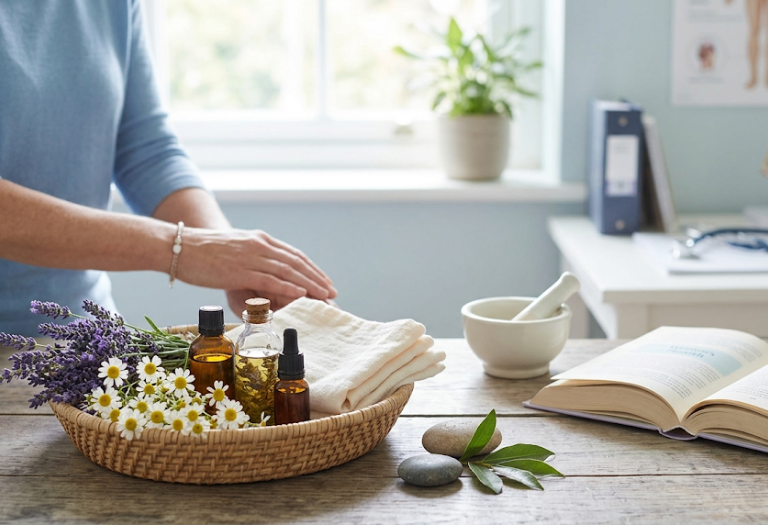
These measures may reduce irritation but do not replace treatment for an underlying skin condition or infection.
Pelvic Floor Physical Therapy
When pelvic floor muscle tension or dysfunction contributes to pain, specialized physical therapy may help improve muscle relaxation, coordination, and comfortable movement. Treatment may include individualized exercises, manual techniques, and biofeedback. The program should be tailored to the patient’s findings rather than relying on strengthening exercises alone.
Topical Medication
A clinician may recommend a topical medication, such as a local anesthetic, for selected patients. Some topical products can themselves cause irritation, so the formulation and application instructions matter. Avoid experimenting with numbing creams or compounded products without professional guidance.
Oral Medication
Certain medicines used for nerve-related pain may be considered in some cases. Their effectiveness varies, and they can cause side effects. A clinician can help determine whether medication is appropriate based on symptom patterns, other health conditions, and existing prescriptions.
Psychological and Sexual Health Support
Persistent pain can affect relationships, intimacy, confidence, and emotional well-being. Cognitive behavioral therapy, pain-focused counseling, or sexual health counseling may help some people manage the effects of chronic pain. These approaches do not imply that the pain is imaginary; they are intended to support coping, function, and quality of life.
Treatment for an Identified Underlying Condition
If burning is caused by an infection, skin disorder, or hormonal change, treatment should target that condition. For example, a confirmed infection may require specific medication, while a diagnosed vulvar skin disorder may need prescription treatment and follow-up. The appropriate treatment depends on the diagnosis, not simply on the presence of burning.

Safety Considerations Before Trying Medical Cannabis

Before considering cannabis for vulvar pain, discuss the potential risks and alternatives with a healthcare professional.

Important considerations include:
01
Medication interactions: THC and CBD may interact with prescription and nonprescription medicines.
02
Impaired coordination and attention: THC can affect reaction time and decision-making.
03
Anxiety and other psychological effects: Some people experience increased anxiety, panic, or paranoia.
04
Pregnancy and fertility: Cannabis should be avoided during pregnancy. Anyone trying to conceive or undergoing fertility treatment should discuss cannabis exposure with their healthcare professional.
05
Product quality: Cannabinoid concentrations, contaminants, and labeling accuracy can vary among products.
06
Local laws: Medical cannabis eligibility and permitted products depend on the jurisdiction.
āš ļø
Cannabis should not delay evaluation of new, persistent, or worsening vulvar symptoms. It should also not replace prescribed treatment without discussion with the treating clinician.

When Should You Seek Medical Attention?

Arrange a medical evaluation if vulvar burning persists, keeps returning, or affects urination, sitting, exercise, or sexual activity.

āš ļø Seek prompt medical attention if symptoms include:
New ulcers, blisters, sores, or unusual skin changes
Unusual or foul-smelling discharge
Fever or significant pelvic pain
Painful urination or difficulty passing urine
Unexplained bleeding
Rapidly worsening swelling or redness
Urgent Clinical Assessment

Severe or sudden pelvic pain, especially with fainting, heavy bleeding, fever, or possible pregnancy, warrants urgent assessment.

These symptoms may indicate a condition other than vulvodynia that needs timely treatment.

Finding a Path Forward With Persistent Vulvar Pain

Living with vulvar burning can be physically and emotionally exhausting, especially when the cause is unclear or symptoms return after treatment.
The first step is a careful evaluation to identify possible infections, skin conditions, hormonal changes, or pelvic floor dysfunction. If vulvodynia is diagnosed, an individualized plan may combine gentle skin care, medication, pelvic floor physical therapy, and other supportive approaches.
Medical cannabis remains an area of interest, but the current evidence is not strong enough to recommend it as a treatment for vulvodynia. Anyone considering cannabinoids for pain should understand the uncertainty, potential side effects, reproductive considerations, and medication interactions.
At Marijuana Specialist Near Me, our educational goal is to help readers explore medical cannabis responsibly while recognizing when established medical evaluation and treatment are essential.
If you are experiencing persistent vulvar pain, speak with a qualified healthcare professional about the cause of your symptoms and the options most appropriate for your situation.

FAQs

Is vulvodynia the same as vulvar burning?
No. Vulvar burning is a symptom, while vulvodynia is a chronic pain condition characterized by vulvar pain lasting at least three months without an identifiable cause. Infections, skin conditions, and hormonal changes can also cause burning.
Can medical cannabis cure vulvodynia?
No. Medical cannabis has not been established as a cure or proven treatment for vulvodynia. Research specific to the condition is limited, and more rigorous clinical trials are needed.
Can CBD oil help with vulvar burning?
There is insufficient clinical evidence to determine whether CBD oil helps vulvar burning. CBD may also cause side effects and interact with medications. Avoid applying products to sensitive genital tissue without medical guidance.
Is it safe to apply cannabis cream to the vulva?
Safety and effectiveness have not been adequately established for cannabis creams used to treat vulvodynia. Ingredients may irritate sensitive tissue, and products intended for external skin are not necessarily suitable for genital use.
What is the most effective treatment for vulvodynia?
There is no single treatment that works for everyone. Depending on the diagnosis, options may include pelvic floor physical therapy, topical or oral medication, gentle vulvar care, and psychological or sexual health support.
Can vulvodynia cause pain during sex?
Yes. Vulvodynia may cause pain when the vulva is touched or during penetration. However, painful sex can have other causes, including infections, skin conditions, pelvic floor dysfunction, and hormonal changes, so evaluation is important.
Can vulvodynia go away on its own?
Symptoms vary. Some people improve over time, while others experience persistent or recurring pain. Appropriate evaluation and an individualized treatment plan may help manage symptoms and improve quality of life.
Should I see a gynecologist for persistent vulvar burning?
Yes. A gynecologist or another clinician experienced in vulvar pain can evaluate the symptoms, investigate possible causes, and recommend appropriate treatment. Seek prompt care for new sores, unusual discharge, fever, significant pelvic pain, or rapidly worsening symptoms.
āš ļø Medical Disclaimer

This article is for educational purposes only and is not a substitute for professional medical advice, diagnosis, or treatment.

Vulvar burning can have multiple causes and should be evaluated by a qualified healthcare professional. Medical cannabis has not been established as a treatment for vulvodynia, and cannabinoid products may cause side effects or interact with medications.

Important: Do not delay medical evaluation or discontinue prescribed treatment without consulting your healthcare provider.

Ready to find the
perfect strain for your needs?

Navigating the complexities of medical marijuana laws can be tricky, but with the right information, you can protect your privacy and your rights as a medical cannabis cardholder. At Marijuana Specialist Near Me, we make the process of obtaining a medical marijuana card straightforward, with online consultations and guidance through the legal landscape, ensuring you’re well informed about how your card can be used without compromising your privacy.

Legal Disclaimer

The information provided on this blog is for general informational and educational purposes only and is not intended as, nor should it be considered a substitute for, professional medical advice, diagnosis, or treatment. Always seek the advice of your physician or other qualified health provider with any questions you may have regarding a medical condition or treatment and before undertaking a new healthcare regimen. Never disregard professional medical advice or delay in seeking it because of something you have read on this website.

The content on this blog is provided ā€œas isā€ and no representations are made that the content is error-free. The website and its authors take no responsibility for errors or omissions in the content of this blog or other websites or resources that may be referenced or linked to herein. The website’s content is not intended to recommend or endorse any specific tests, physicians, procedures, opinions, or other information that may be mentioned on the site.

By using this blog, you agree to the foregoing terms and conditions, which may from time to time be changed or supplemented by this website. If you do not agree to the foregoing terms and conditions, you should not use this blog. The website and its authors shall not be liable for any damages, including without limitation, indirect or consequential damages, arising from the use or inability to use the content on this blog.

This disclaimer is governed by and construed in accordance with the laws of Florida, without regard to its conflict of law principles.

Write a comment

Your email address will not be published. Required fields are marked *

A Picture of Richard Koffler MD

Article Written By

Richard Koffler, MD

NPI Number- 1467557264

About Richard Koffler, MD

  • Dr. KofflerĀ is a Physiatrist, specializing in Physical Medicine & Rehabilitation.
  • Graduated from the Sackler School of Medicine atĀ Tel Aviv UniversityĀ in 1993 Dr. Koffler completed a one-year internship in internal medicine atĀ Roosevelt HospitalĀ in New York City.
  • Residency in Physical Medicine and Rehabilitation at the Rusk Institute atĀ NYU Medical CenterĀ in New York City. Board certified in 1998.
  • Trained in acupuncture atĀ Helms Medical Institute at UCLAĀ His medical practice incorporates proven conventional western medicine integrating eastern alternative practices.
  • Medical Director of several medical clinics in NYC, Stamford CT, and Miami Beach, FL.
Roles And Leadership