
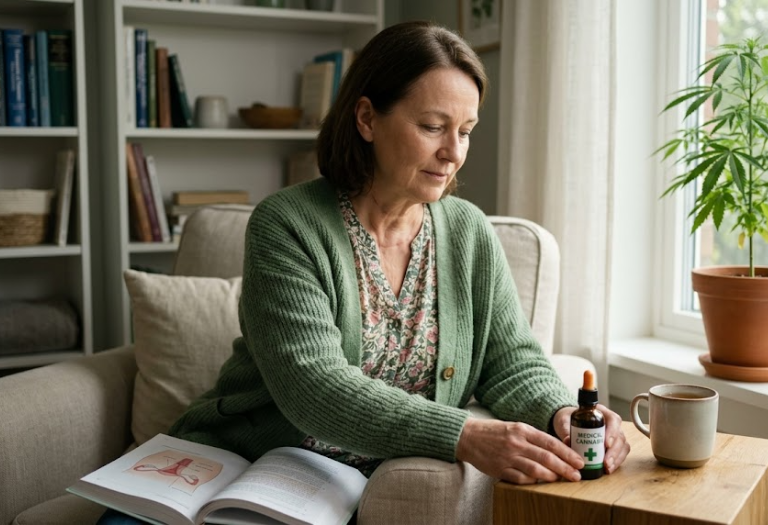
When Cancer Treatment Becomes About More Than the Cancer
A cancer diagnosis can change almost every part of daily life.
With advanced vaginal cancer, the physical burden may include pain, bleeding, fatigue, nausea, appetite changes, sleep difficulties, and discomfort associated with treatment. The emotional burden can be just as significant.
Treatment for vaginal cancer may involve radiation therapy, chemotherapy, surgery, or combinations of these approaches depending on the stage and individual circumstances. For stage IV disease, treatment decisions become particularly complex because the cancer may have extended beyond the vagina and pelvis or, in stage IVB, spread to distant parts of the body.
As symptoms become harder to manage, some patients and families begin exploring supportive options alongside conventional cancer care.
One question that may come up is:
Can medical cannabis help manage symptoms associated with stage IV vaginal cancer?
Medical cannabis is not a cure for vaginal cancer and should not replace chemotherapy, radiation, surgery, immunotherapy, or other cancer-directed treatments. However, cannabinoids are sometimes considered as part of supportive or palliative symptom management.
The potential role depends on the person’s symptoms, medications, cancer treatment, overall health, and state laws.
What Is Vaginal Cancer?
Vaginal cancer develops when abnormal cells grow in the tissues of the vagina.
It is a relatively uncommon cancer. Most vaginal cancers are squamous cell carcinomas, although adenocarcinoma, melanoma, and sarcoma can also occur. Certain types of human papillomavirus (HPV) are associated with many vaginal cancers.
Symptoms can vary depending on the location and extent of the cancer.
- Possible symptoms include:
- Abnormal vaginal bleeding
- Vaginal discharge
- Pelvic pain
- A lump or mass in the vagina
- Painful urination
- Difficulty urinating
- Constipation or bowel-related symptoms
- Pelvic pressure
- Not every person with vaginal cancer experiences the same symptoms.
What Does Stage IV Vaginal Cancer Mean?
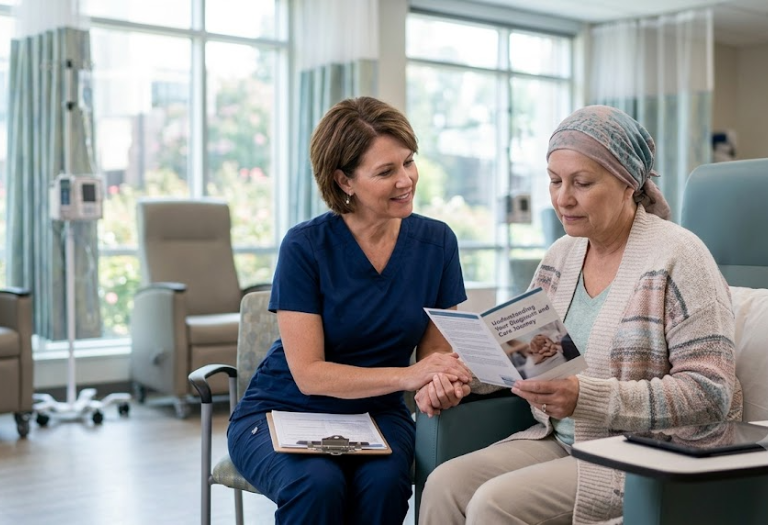
Stage IV vaginal cancer represents advanced disease, but stage IV is not one single situation.
The National Cancer Institute divides stage IV vaginal cancer into stage IVA and stage IVB.
The National Cancer Institute divides stage IV vaginal cancer into stage IVA and stage IVB.
Stage IVA
In stage IVA, the cancer may have extended into areas such as the lining of the bladder or rectum or beyond the true pelvis.
Treatment may include radiation therapy, surgery, or chemoradiation depending on the specific circumstances.
Treatment may include radiation therapy, surgery, or chemoradiation depending on the specific circumstances.
Stage IVB
Stage IVB means the cancer has spread to more distant parts of the body, such as the lungs or bones.
Because vaginal cancer is rare, treatment approaches for advanced or metastatic disease may sometimes draw from treatment strategies used for cervical cancer. Radiation may also be used to relieve symptoms and improve quality of life.
Because vaginal cancer is rare, treatment approaches for advanced or metastatic disease may sometimes draw from treatment strategies used for cervical cancer. Radiation may also be used to relieve symptoms and improve quality of life.
This distinction matters when discussing medical cannabis because the person’s symptoms, treatment plan, and medication profile may be very different depending on whether the disease is locally advanced or metastatic.
Symptoms That May Affect Quality of Life
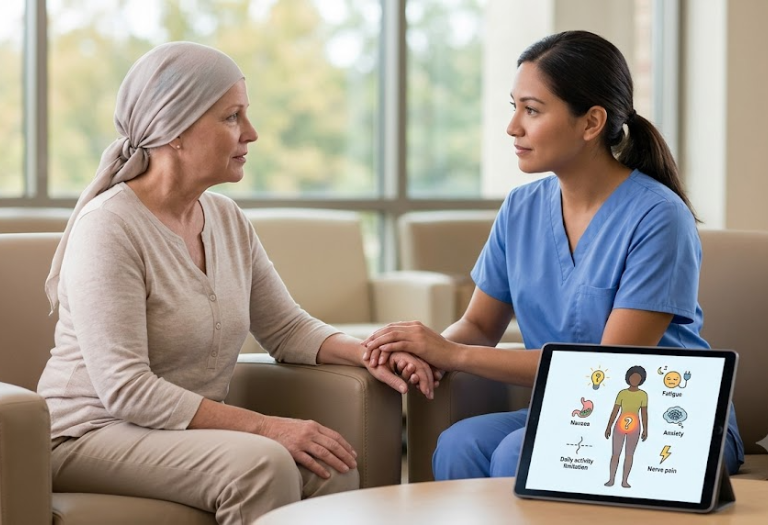
Advanced cancer can affect more than the site where the cancer began.
Patients may experience:
- Cancer-related pain
- Pelvic discomfort or pressure
- Treatment-related nausea
- Reduced appetite
- Sleep disruption
- Fatigue
- Anxiety or emotional distress
- Neuropathic pain
- Discomfort related to radiation or other treatments
- Difficulty maintaining normal daily activities
How Is Stage IV Vaginal Cancer Treated?
Treatment depends on whether the cancer is stage IVA or IVB, where it has spread, the tumor’s characteristics, previous treatments, and the person’s overall health.
Radiation Therapy
Radiation therapy is an important treatment for vaginal cancer.
For advanced disease, radiation may be used to treat the cancer itself or, in some circumstances, to relieve symptoms such as bleeding or pain.
For advanced disease, radiation may be used to treat the cancer itself or, in some circumstances, to relieve symptoms such as bleeding or pain.
Chemotherapy
Chemotherapy may be used with radiation for certain locally advanced cancers.
For stage IVB disease, systemic treatment may be considered, although vaginal cancer is rare and evidence for specific drug regimens is limited. Some treatment approaches are adapted from cervical cancer treatment.
For stage IVB disease, systemic treatment may be considered, although vaginal cancer is rare and evidence for specific drug regimens is limited. Some treatment approaches are adapted from cervical cancer treatment.
Surgery
Surgery may be considered in selected cases, depending on where the cancer is located and how extensively it has spread.
Clinical Trials
Because vaginal cancer is uncommon, clinical trials can be an important consideration for patients with advanced or recurrent disease. The NCI maintains a database of clinical trials that patients can discuss with their oncology team.
Where Could Medical Cannabis Fit Into Cancer Care?
Medical cannabis should be viewed as a potential supportive option, not a cancer treatment.
Cannabinoids such as THC and CBD interact with the body’s endocannabinoid system and can influence several physiological processes, including pain perception, nausea, appetite, and other symptoms.
Cancer patients may consider cannabis when conventional symptom-management approaches do not provide enough relief or when they want to discuss additional supportive options with their healthcare team.
However, evidence for cannabis varies considerably depending on the symptom and clinical situation.
The strongest established medical use of cannabinoids in cancer care relates to certain forms of treatment-related nausea and vomiting, particularly when standard anti-nausea medications have not provided adequate relief.
That does not mean cannabis treats the cancer itself.
The strongest established medical use of cannabinoids in cancer care relates to certain forms of treatment-related nausea and vomiting, particularly when standard anti-nausea medications have not provided adequate relief.
That does not mean cannabis treats the cancer itself.
Could Medical Cannabis Help With Cancer-Related Pain?
Pain can become a major concern for people living with advanced cancer.
Cancer-related pain may result from the tumor itself, pressure on nearby structures, nerve involvement, inflammation, surgery, radiation, or other treatments.
Cannabinoids may influence pain signaling, and some patients report that cannabis helps them cope with chronic discomfort.
However, cannabis should not automatically replace established cancer pain treatments.
For significant cancer pain, an oncology or palliative-care team can determine whether medications such as analgesics, nerve-pain medications, radiation, or other interventions are appropriate.
If cannabis is added, it should be considered as part of the overall plan rather than used instead of necessary cancer care.
Medical Cannabis and Nausea or Vomiting
Nausea and vomiting can occur with chemotherapy and other cancer treatments.
Some cannabinoid-based medicines have been studied for chemotherapy-induced nausea and vomiting, particularly when conventional antiemetic medications have not worked sufficiently.
However, response can vary between patients.
Potential side effects of THC-containing products can include:
- Drowsiness
- Dizziness
- Impaired concentration
- Changes in heart rate
- Anxiety
- Confusion
- Changes in perception
Could Cannabis Affect Appetite?
Advanced cancer and cancer treatment can sometimes reduce appetite.
THC may increase appetite in some people, which is one reason patients sometimes ask about medical cannabis.
But appetite stimulation does not necessarily correct the underlying causes of weight loss or malnutrition.
Patients experiencing significant weight loss should speak with their oncology team or a registered dietitian. Nutritional support may be needed to address calorie intake, protein requirements, treatment-related symptoms, or other causes.
Medical Cannabis and Sleep
Sleep can become difficult during cancer treatment.
Pain, anxiety, medication side effects, treatment schedules, and uncertainty about the future can all interfere with rest.
Some people report that cannabis helps them relax or fall asleep.
However, feeling sedated is not necessarily the same as improving healthy sleep.
Cannabis can also cause next-day drowsiness or cognitive effects in some individuals.
If sleep problems are persistent, the underlying cause should be assessed rather than relying solely on cannabis.

What About Anxiety and Emotional Distress?
A stage IV cancer diagnosis can understandably create significant emotional stress.
Some people explore cannabis because they believe it may help them relax.
The response is not always predictable.
While some people experience relaxation, THC can also trigger anxiety, paranoia, confusion, or an unpleasant psychological reaction, particularly at higher doses.
Anyone with significant anxiety or other mental-health symptoms should discuss those symptoms with their healthcare professional rather than assuming cannabis will improve them.
Cannabis Does Not Treat Vaginal Cancer
This distinction is essential.
There is currently no established evidence that medical cannabis:
For stage IV disease, the oncology team remains central to decisions about controlling the cancer and managing complications.
There is currently no established evidence that medical cannabis:
- Eliminates vaginal cancer
- Shrinks vaginal tumors
- Prevents cancer from spreading
- Replaces chemotherapy
- Replaces radiation therapy
- Replaces surgery
- Cures stage IV vaginal cancer
- Guarantees longer survival
For stage IV disease, the oncology team remains central to decisions about controlling the cancer and managing complications.
Drug Interactions Matter
People with advanced cancer may take several medications at the same time.
These can include:
- Chemotherapy drugs
- Immunotherapy
- Opioid pain medications
- Anti-nausea medications
- Antidepressants
- Anti-anxiety medications
- Steroids
- Blood thinners
- Sleep medications
- Other prescription drugs
Is Medical Cannabis Safe During Cancer Treatment?
Safety depends on the individual.
A person receiving chemotherapy, radiation, immunotherapy, or multiple prescription medications may have different risks from someone who is not undergoing active treatment.
Potential cannabis side effects can include:
For these reasons, the form of cannabis matters and should be discussed with a qualified healthcare professional.
A person receiving chemotherapy, radiation, immunotherapy, or multiple prescription medications may have different risks from someone who is not undergoing active treatment.
Potential cannabis side effects can include:
- Dizziness
- Sleepiness
- Dry mouth
- Increased heart rate
- Impaired coordination
- Changes in concentration
- Anxiety or paranoia
- Confusion
For these reasons, the form of cannabis matters and should be discussed with a qualified healthcare professional.
Medical Cannabis and Palliative Care
Palliative care focuses on improving comfort and quality of life while helping people manage the physical and emotional effects of serious illness.
It does not necessarily mean that cancer treatment has stopped.
For someone with stage IV vaginal cancer, palliative care may help address:
It does not necessarily mean that cancer treatment has stopped.
For someone with stage IV vaginal cancer, palliative care may help address:
For someone with stage IV vaginal cancer, palliative care may help address:
- Pain
- Nausea
- Fatigue
- Appetite changes
- Sleep problems
- Emotional distress
- Treatment side effects
- Family and caregiver concerns
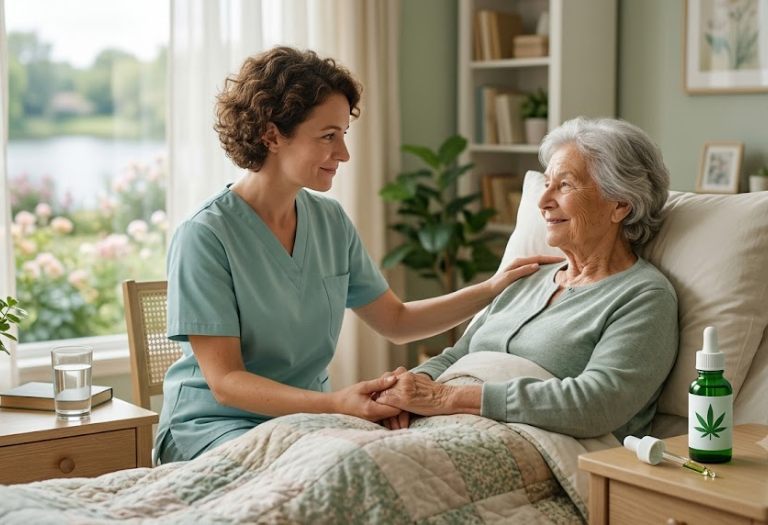
What Should You Ask Your Doctor Before Using Medical Cannabis?
If you have stage IV vaginal cancer and are considering medical cannabis, ask your healthcare team:
- Could cannabis interact with my current cancer medications?
- Could it increase sedation from my pain or anxiety medications?
- Is there a specific symptom we are trying to manage?
- Would another treatment be more appropriate?
- Which cannabis formulation would be safest for me?
- Should I avoid smoking or inhaled cannabis?
- Could cannabis affect my appetite, sleep, or anxiety differently than expected?
- Should my oncologist and medical marijuana physician coordinate my care?
- Are there clinical trials or other supportive treatments I should consider?
- Is medical cannabis legally available for my situation in my state?
Is Stage IV Vaginal Cancer Eligible for Medical Marijuana?
Eligibility depends on state law.
For example, Marijuana Specialist Near Me currently lists vaginal cancer (stage IV) among the conditions that may qualify for its Florida medical marijuana program. The website also states that qualifying patients must be evaluated by a certified physician.
Being listed on a website does not by itself guarantee approval.
Eligibility requirements, qualifying conditions, physician certification, documentation, and permitted cannabis products can vary by state and may change over time.
Patients should confirm the current requirements for their state and receive an appropriate medical evaluation.

FAQs
Can medical cannabis cure stage IV vaginal cancer?
No. Medical cannabis has not been established as a cure for vaginal cancer. It should not replace cancer-directed treatment such as radiation, chemotherapy, surgery, or other therapies recommended by an oncology team.
Can medical cannabis help with vaginal cancer pain?
Cannabis may provide symptom relief for some people with pain, but evidence specific to vaginal cancer is limited. Cancer-related pain should be evaluated by an oncology or palliative-care professional.
Can cannabis help with chemotherapy nausea?
Cannabinoid medicines have been studied for chemotherapy-induced nausea and vomiting, particularly when conventional anti-nausea medications have not provided sufficient relief. Whether cannabis is appropriate depends on the individual.
Can medical cannabis increase appetite during cancer treatment?
THC may increase appetite in some people. However, appetite stimulation does not necessarily correct cancer-related malnutrition or weight loss. Nutritional problems should be evaluated by the cancer-care team.
Is it safe to smoke marijuana with stage IV cancer?
Smoking cannabis may expose the lungs to smoke and combustion products. People with lung disease, lung metastases, or other respiratory concerns should discuss safer alternatives with their healthcare provider.
Can cannabis interact with chemotherapy?
Potentially. Cannabis and cannabinoids may interact with medications, and people undergoing cancer treatment may take multiple drugs. Always discuss cannabis use with the oncology team before starting it.
Does stage IV vaginal cancer always mean stage IVB?
No. Stage IV vaginal cancer is divided into IVA and IVB. Stage IVA involves certain nearby structures or extension beyond the true pelvis, while IVB involves distant spread.
Can someone with stage IV vaginal cancer get a medical marijuana card?
This depends on the laws of the state where the patient lives. Marijuana Specialist Near Me currently lists stage IV vaginal cancer among conditions considered for Florida’s medical marijuana program. A physician evaluation is still required.
A Supportive Approach to Stage IV Vaginal Cancer

Living with stage IV vaginal cancer can involve complex decisions about treatment, symptom control, comfort, and quality of life.
Medical cannabis may be something a patient wants to discuss, particularly when symptoms such as pain, nausea, appetite changes, or sleep difficulties remain challenging.
But cannabis should be approached as supportive care rather than cancer treatment.
The most important step is to keep the oncology team involved. Your doctor can consider your cancer stage, current treatment, medications, symptoms, and overall health before determining whether medical cannabis has a reasonable role in your care.
If you are considering medical cannabis for stage IV vaginal cancer, a qualified medical marijuana physician can also help you understand whether you meet your state’s requirements and discuss the options available to you.
Medical Disclaimer
This article is for educational purposes only and does not replace professional medical advice, diagnosis, or treatment. Stage IV vaginal cancer requires individualized care from qualified oncology professionals. Do not stop, delay, or modify cancer treatment because of information about medical cannabis. Cannabis may not be appropriate for everyone and can interact with medications. Medical marijuana eligibility and laws vary by state.
Ready to find the
perfect strain for your needs?
Navigating the complexities of medical marijuana laws can be tricky, but with the right information, you can protect your privacy and your rights as a medical cannabis cardholder. At Marijuana Specialist Near Me, we make the process of obtaining a medical marijuana card straightforward, with online consultations and guidance through the legal landscape, ensuring you’re well informed about how your card can be used without compromising your privacy.
