When Pain Becomes Part of Everyday Life
For someone living with sickle cell disease, pain can arrive unexpectedly.
A pain episode may interfere with work, school, sleep, exercise, and everyday activities. Some people also experience chronic pain between acute episodes, making symptom management an ongoing part of life.
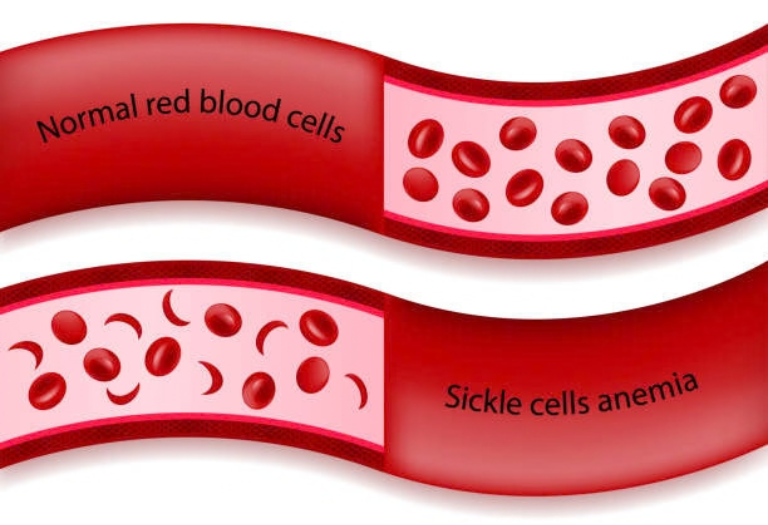
Sickle cell disease (SCD) is an inherited group of blood disorders that causes abnormal hemoglobin. The resulting red blood cells can become hard, sticky, and sickle-shaped. These cells may block blood flow through small blood vessels, causing pain and potentially damaging organs.
Modern treatment can help prevent complications and manage pain, but some people continue to experience difficult-to-control symptoms.
That can lead patients to explore additional options.
One question that sometimes comes up is:
Can medical cannabis help with sickle cell disease?
Cannabis does not cure sickle cell disease or correct the abnormal hemoglobin responsible for the condition. However, cannabinoids are being studied as a possible supportive approach to pain management.
The evidence is still developing. A 2026 scoping review found mixed but generally promising evidence regarding cannabinoids and sickle cell pain, while emphasizing the need for more research and careful attention to safety.
For that reason, medical cannabis should be discussed with a qualified healthcare professional rather than used as a replacement for established sickle cell treatment.
What Is Sickle Cell Disease?
Sickle cell disease is a group of inherited red blood cell disorders.
Healthy red blood cells are generally round and flexible, allowing them to move through small blood vessels. In SCD, abnormal hemoglobin can cause red blood cells to become rigid and sickle-shaped.
These cells can:
- Block small blood vessels
- Reduce oxygen delivery to tissues
- Break down earlier than normal red blood cells
- Cause anemia
- Trigger episodes of severe pain
- Contribute to organ damage
SCD is present from birth and is inherited through genes passed from parents to their children.
There are several types of sickle cell disease, including HbSS, HbSC, and HbS beta thalassemia. The severity can differ between individuals and between disease types.
Common Symptoms and Complications of Sickle Cell Disease
Symptoms vary from person to person.
Common complications can include:
- Pain episodes or vaso-occlusive crises
- Chronic pain
- Anemia
- Fatigue
- Swelling of the hands and feet
- Frequent infections
- Acute chest syndrome
- Stroke
- Kidney complications
- Eye problems
- Bone and joint complications
Pain is one of the most recognizable complications of SCD.
When sickled cells block blood flow, tissues may not receive enough oxygen, contributing to painful episodes.
Some complications can become medical emergencies.
For example, chest pain, difficulty breathing, sudden weakness, severe headache, or symptoms of stroke require urgent medical evaluation.
What Causes Sickle Cell Pain?
Sickle cell pain can occur when sickled red blood cells obstruct blood flow.
These episodes are often called vaso-occlusive crises.
Pain can affect different parts of the body, including:
- Back
- Chest
- Abdomen
- Arms
- Legs
- Joints
Some people experience acute episodes that come and go, while others develop chronic pain that continues between crises.
The mechanisms behind sickle cell pain can be complex and may involve inflammation, nerve sensitization, tissue injury, and repeated episodes of reduced blood flow.
This complexity is one reason why pain management often requires more than one approach.
How Is Sickle Cell Disease Treated?
There is no single treatment plan for everyone with SCD.
Care is typically designed around preventing complications, managing pain, and reducing disease-related damage.
- Hydration and Lifestyle Measures
- Maintaining adequate fluid intake can be important for people with SCD. Healthcare professionals may also recommend avoiding situations that can contribute to complications, such as extreme temperatures, dehydration, or high-altitude exposure.
- Pain Management
- Pain episodes may require medications, fluids, and sometimes hospital-based treatment. The specific approach depends on the severity of the pain and the person's individual treatment plan.
- Hydroxyurea and Other Medications
- Certain medications can help reduce complications and pain episodes in appropriate patients. Treatment may also include medications aimed at managing specific complications.
- Blood Transfusions
- Blood transfusions may be used in certain circumstances, including prevention or treatment of particular complications.
- Bone Marrow Transplant and Gene Therapy
- For some patients, hematopoietic stem cell transplantation or newer gene therapies may be treatment options. The CDC notes that bone marrow transplantation and gene therapies are potential options for some people with SCD. Treatment decisions should always be made with a hematologist or other clinician experienced in sickle cell disease.
Where Does Medical Cannabis Fit Into Sickle Cell Care?
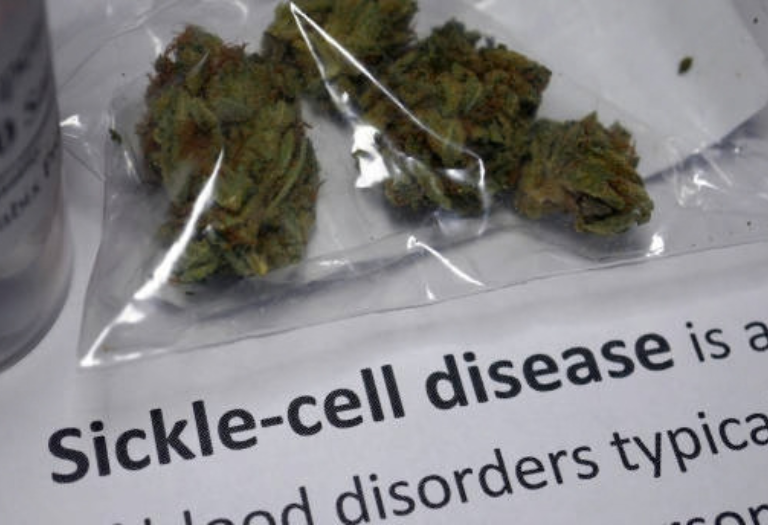
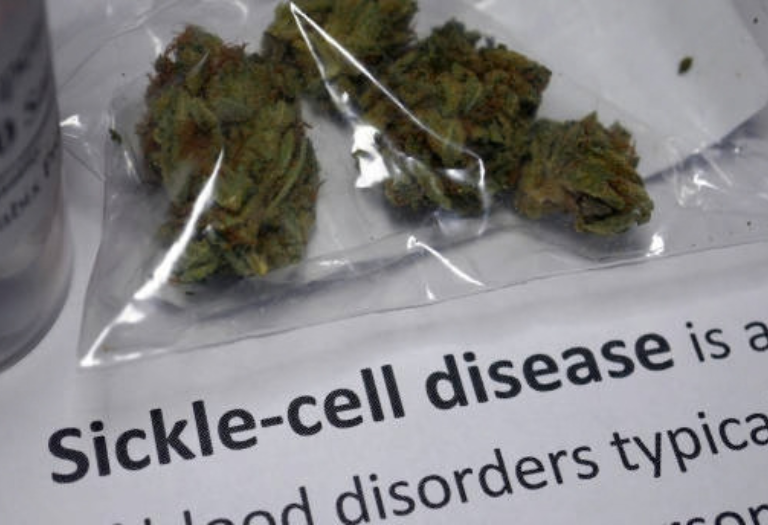
Medical cannabis is being studied primarily as a potential supportive option for pain management in people with SCD.
Cannabis contains cannabinoids such as THC and CBD, which interact with the body’s endocannabinoid system and may influence pain signaling.
However, research specifically involving SCD remains limited.
A 2026 scoping review identified 12 studies examining cannabis or cannabinoids for pain in adults with SCD. The findings were mixed, although some studies suggested potential pain-related benefits. The authors concluded that more research is needed, particularly regarding standardized dosing and long-term safety.
This means cannabis should be considered an area of ongoing research rather than an established treatment for SCD.
Can Medical Cannabis Help With Sickle Cell Pain?

Pain is the primary reason medical cannabis is being explored in SCD.
Some patients report using cannabis to manage pain, and researchers are investigating whether cannabinoids can influence the mechanisms involved in sickle cell pain.
However, clinical evidence has not produced a definitive answer.
In a small randomized clinical trial involving adults with SCD and chronic pain, vaporized cannabis did not produce a statistically significant reduction in pain compared with placebo. The study did find an improvement in pain-related mood interference, but the trial was small and short.
This is an important distinction.
Cannabis may help some individuals experience pain differently, but current research does not establish it as a reliable treatment for sickle cell pain.
What About Chronic Pain Between Sickle Cell Crises?
Not everyone with SCD experiences pain only during acute crises.
Some people develop chronic pain that continues even when they are not experiencing an obvious vaso-occlusive episode.
Researchers are interested in whether cannabinoids could have a role in managing this type of persistent pain.
However, chronic SCD pain can have several contributing mechanisms, so treatment needs to be individualized.
A pain-management specialist or hematologist may consider medications, physical therapy, behavioral approaches, nerve-pain treatments, and other strategies alongside the person’s SCD treatment plan.
If cannabis is considered, it should be one part of that broader plan.
Can Cannabis Prevent a Sickle Cell Crisis?
There is not enough evidence to say that medical cannabis prevents vaso-occlusive crises.
Patients should not use cannabis as a substitute for their prescribed SCD medications, hydration strategies, medical monitoring, or emergency treatment plan.
A person experiencing a serious pain crisis may require medical evaluation, intravenous fluids, pain medication, oxygen or other treatment depending on the circumstances.
Cannabis should not delay emergency care.
Can Cannabis Treat the Underlying Sickle Cell Disease?
No.
Medical cannabis does not correct the genetic mutation responsible for SCD.
It does not:
- Replace abnormal hemoglobin with normal hemoglobin
- Prevent sickling of red blood cells
- Cure SCD
- Reverse organ damage
- Replace disease-modifying treatment
- Replace blood transfusions when medically necessary
- Replace gene therapy or stem-cell transplantation when appropriate
Its potential role, if any, is primarily being investigated around symptom management, particularly pain.
Medical Cannabis and Other Sickle Cell Symptoms
Pain is the most studied reason for cannabis use in SCD, but patients may also wonder about other symptoms.
Chronic pain can make it difficult to sleep.
Some people report feeling more relaxed or sleepy after cannabis use. However, cannabis can also cause drowsiness or impair concentration.
Persistent sleep problems should be discussed with a healthcare professional because untreated pain, sleep-disordered breathing, medications, or other complications may be contributing.
Living with recurrent pain episodes can be stressful.
Some people use cannabis hoping it will help them relax.
The response can vary considerably. THC may cause anxiety, paranoia, or changes in perception in some individuals, particularly at higher doses.
Patients experiencing significant anxiety should discuss it with their healthcare team rather than assuming cannabis will improve it.
Cannabis, particularly THC-containing products, can increase appetite in some people.
However, appetite changes in SCD may have multiple causes, and cannabis should not be used to replace nutritional assessment or treatment of an underlying problem.
What Does the Research Say?
The research is still evolving.
Older studies were often based on surveys or patient self-reports. More recent studies have begun examining cannabis use under controlled conditions.
A randomized clinical trial of vaporized cannabis in adults with SCD found no statistically significant reduction in pain compared with placebo, although mood interference improved. The researchers emphasized the need for larger and longer studies.
A newer 2026 scoping review identified 12 relevant studies and reported mixed evidence, with some findings suggesting possible pain benefits but also highlighting safety concerns and major research gaps.
Therefore, the current evidence does not support describing cannabis as a proven treatment for sickle cell pain.
It is more accurate to describe it as an emerging area of research that may have a role for selected patients under medical supervision.
What Are the Risks of Cannabis for People With SCD?
Cannabis can cause side effects.
Depending on the product and dose, these may include:
- Drowsiness
- Dizziness
- Impaired concentration
- Changes in heart rate
- Anxiety
- Confusion
- Changes in perception
- Dry mouth
There are also concerns specific to how cannabis is consumed.
Smoking cannabis can expose the lungs to smoke and other combustion products. This is particularly relevant to people with SCD because acute chest syndrome is a serious complication of the disease.
For this reason, patients should discuss the route of administration with a healthcare professional rather than assuming that all cannabis products carry the same risks.
Drug Interactions Matter
People with SCD may take several medications.
These can include:
- Pain medications
- Hydroxyurea
- Antibiotics
- Blood-related medications
- Sleep medications
- Antidepressants
- Anti-anxiety medications
- Other prescription medicines
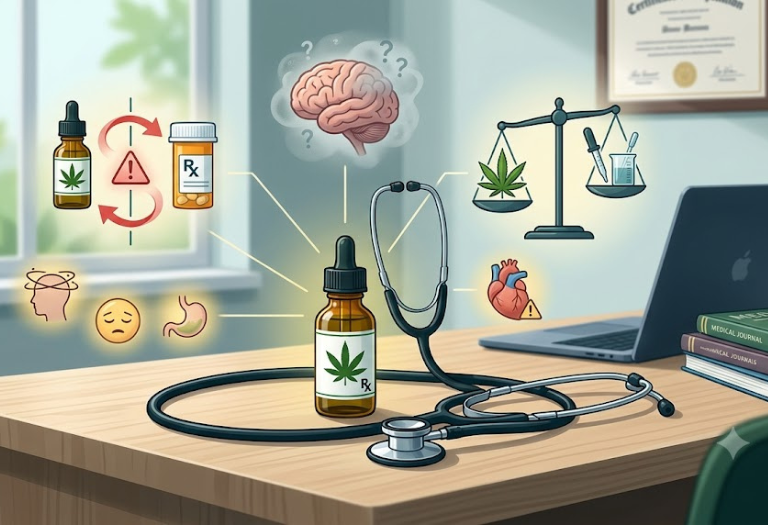
Cannabis may affect how a person responds to some medications or may increase sedation when combined with other drugs.
A healthcare professional should review the complete medication list before cannabis is introduced.
This is especially important for patients who regularly use opioid medications for severe pain.
Medical Cannabis During a Pain Crisis
A severe sickle cell pain crisis should be treated as a medical condition, not self-managed exclusively with cannabis.
If pain is severe, unusual, persistent, or accompanied by symptoms such as:
- Chest pain
- Difficulty breathing
- Fever
- Sudden weakness
- Severe headache
- Confusion
- Loss of consciousness
- Vision changes
seek urgent medical care.
Acute chest syndrome and stroke are serious SCD complications that require prompt treatment.
Medical cannabis should never be used to delay emergency evaluation.
Questions to Ask Your Doctor Before Using Medical Cannabis
If you have sickle cell disease and are considering medical cannabis, ask your healthcare provider:
- Could cannabis interact with my current SCD medications?
- Could it increase sedation from my pain medications?
- Are we treating acute pain or chronic pain?
- Could cannabis interfere with my current pain-management plan?
- Should I avoid smoking or inhaled cannabis?
- Which formulation may be safest for me?
- Could cannabis affect my blood pressure or heart rate?
- Should my hematologist be involved in the decision?
- What side effects should I monitor?
- What should I do if I experience another pain crisis?
A coordinated approach can help ensure that cannabis, if considered, does not interfere with established SCD care.
Is Sickle Cell Disease a Qualifying Condition for Medical Marijuana?
Medical marijuana eligibility depends on the laws of the state where the patient lives.
Qualifying conditions, physician requirements, documentation rules, and permitted products can vary between states and may change over time.
Patients with SCD should check their state’s current medical marijuana requirements and discuss their diagnosis with an authorized physician.
A diagnosis alone does not necessarily mean that a patient will automatically qualify.

FAQs About Sickle Cell Disease and Medical Cannabis

No. Sickle cell disease is an inherited blood disorder, and cannabis does not correct the abnormal hemoglobin responsible for the disease.
It may help some people with pain, but the evidence is still limited and mixed. A small randomized trial did not find a statistically significant reduction in pain with vaporized cannabis compared with placebo.
There is currently insufficient evidence to conclude that cannabis prevents vaso-occlusive crises. Patients should continue their prescribed SCD treatment and follow their healthcare provider’s crisis-management plan.
A severe sickle cell crisis may require urgent medical treatment. Cannabis should not be used as a substitute for emergency evaluation or prescribed crisis treatment.
Cannabis should not be used to replace prescribed pain medication without medical supervision. Pain management should be individualized, particularly for people who experience recurrent or severe crises.
No. Cannabis does not correct the underlying hemoglobin abnormality or cure sickle cell anemia.
Some patients may consider medical cannabis for symptom management, particularly pain, depending on their medical circumstances and state law. A healthcare professional should review the potential benefits, risks, and drug interactions first.
No. Sickle cell trait generally does not cause the recurrent symptoms and complications associated with SCD. People with the trait carry one sickle cell gene and one normal gene.
Severe or unusual pain, chest pain, difficulty breathing, fever, sudden weakness, confusion, severe headache, or other serious symptoms may require urgent medical attention. Acute chest syndrome and stroke can be life-threatening complications of SCD.
A Careful Approach to Medical Cannabis and Sickle Cell Disease
Sickle cell disease is a lifelong condition that can affect pain, circulation, blood counts, organs, and quality of life.
Medical cannabis is being investigated as a potential supportive option, particularly for chronic pain. Some studies suggest possible benefits, but the evidence remains limited and inconsistent, and more research is needed to determine which patients may benefit and which formulations or doses may be appropriate.
Cannabis should not be viewed as a cure for SCD or a replacement for disease-modifying treatment, pain-crisis management, or emergency care.
If you are considering medical cannabis for sickle cell disease, speak with your hematologist and a qualified medical marijuana physician. They can review your symptoms, medications, pain-management plan, and state requirements to determine whether cannabis may have a place in your overall care.