

When Kidney Disease Affects More Than Kidney Function
As kidney function declines, waste products and excess fluid can accumulate in the body. People with advanced kidney disease may experience fatigue, itching, nausea, appetite changes, sleep problems, muscle cramps, pain, restless legs, and other symptoms.
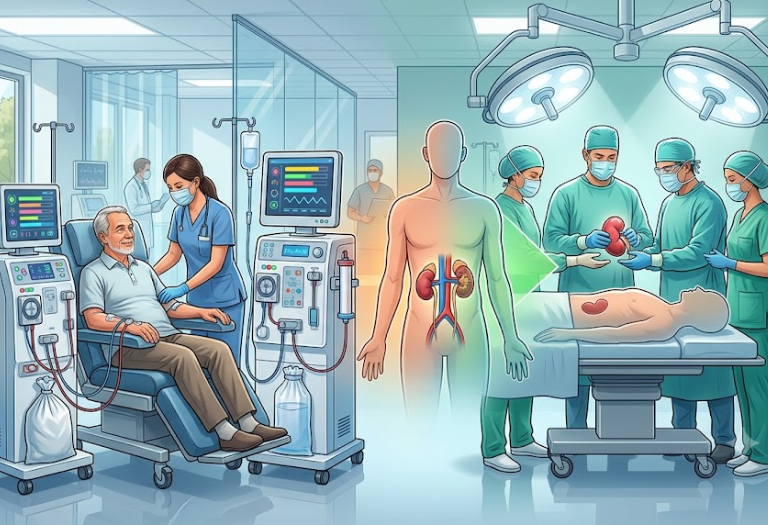
Some patients eventually require dialysis or kidney transplantation.
Managing these symptoms can be challenging, particularly when several medications are already part of the treatment plan.
This is one reason some people with advanced kidney disease ask whether medical cannabis could have a role in symptom management.
Can medical cannabis help with renal failure?
Cannabinoids such as THC and CBD have been investigated for symptoms that can occur with advanced kidney disease, including pain, nausea, itching, insomnia, appetite loss, and restless legs syndrome.
However, the evidence specifically involving people with kidney failure remains limited. A review of cannabinoids in kidney failure concluded that evidence-based prescribing was not currently possible and called for better safety and efficacy studies.
Medical cannabis should therefore be considered, if appropriate, as a potential supportive option—not as a treatment that restores kidney function or replaces dialysis, transplantation, or prescribed kidney-disease treatment.
Eating is something most people rarely have to think about.
For someone living with esophageal cancer, however, something as simple as swallowing food or drinking water can become difficult.
Esophageal cancer develops in the esophagus, the muscular tube that carries food from the throat to the stomach. Depending on its location and stage, the cancer can cause difficulty swallowing, painful swallowing, chest discomfort, weight loss, heartburn, coughing, or other symptoms.
Treatment may involve surgery, radiation therapy, chemotherapy, targeted therapy, immunotherapy, or combinations of these approaches. The treatment plan depends on the type and stage of the cancer and the person’s overall health.
As patients manage both the disease and the effects of treatment, they may also look for ways to improve comfort and quality of life.
One question that may come up is:
Can medical cannabis help someone with esophageal cancer?
Medical cannabis is not a cure for esophageal cancer and should not replace cancer-directed treatment. However, certain cannabinoids have been studied for symptoms associated with cancer and cancer treatment, particularly chemotherapy-related nausea and vomiting.
For some patients, cannabis may be discussed as a complementary option for symptom management. Whether it is appropriate depends on the person’s symptoms, medications, cancer treatment, and overall health.
What Is Renal Failure?
- Healthy kidneys:
- Remove waste products from the blood
- Help regulate fluid balance
- Control electrolyte levels
- Help regulate blood pressure
- Produce hormones involved in red blood cell production
- Help maintain healthy bones
-
When kidney function becomes severely impaired, these functions can become disrupted.
Renal failure can develop suddenly or occur as the final stage of long-term chronic kidney disease.
Acute Kidney Injury vs. Kidney Failure
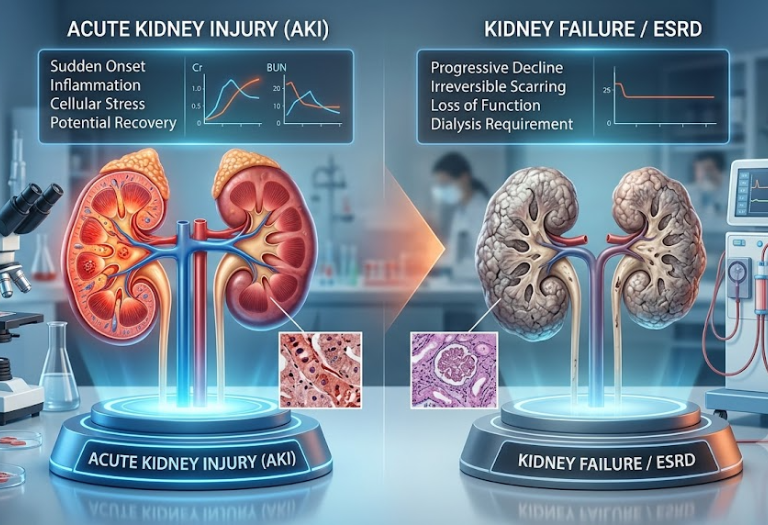
- Severe dehydration
- Infection
- Certain medications
- Reduced blood flow to the kidneys
- Urinary obstruction
- Severe illness
Chronic kidney disease develops over time.
Diabetes and high blood pressure are among the major causes of chronic kidney disease.
As CKD progresses, kidney function can become severely reduced.
Common Symptoms of Advanced Kidney Disease
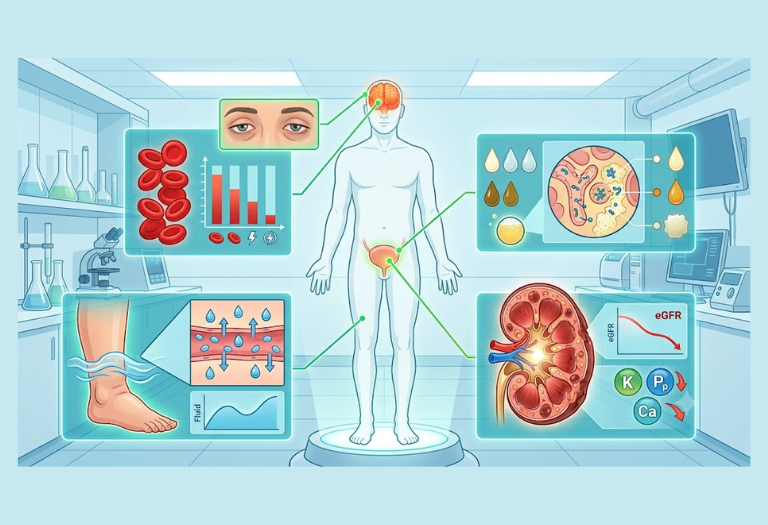
- Fatigue
- Nausea
- Vomiting
- Loss of appetite
- Itchy skin
- Muscle cramps
- Swelling
- Changes in urination
- Trouble sleeping
- Restless legs
- Difficulty concentrating
- Shortness of breath
- Pain
What Causes Kidney Failure?
- Diabetes
- High blood pressure
- Glomerular diseases
- Polycystic kidney disease
- Repeated kidney injury
- Autoimmune diseases
- Certain inherited conditions
- Urinary tract obstruction
How Is Kidney Failure Treated?
- Blood pressure
- Diabetes
- Anemia
- Fluid retention
- Mineral and bone abnormalities
- Electrolyte disturbances
- Other complications
Where Does Medical Cannabis Fit Into Kidney Failure Care?
- Chronic pain
- Neuropathic pain
- Nausea
- Appetite loss
- Itching
- Sleep difficulties
- Restless legs
Can Medical Cannabis Help With Kidney Disease-Related Pain?
- Neuropathy
- Muscle or joint problems
- Bone disease
- Other chronic medical conditions
- Dialysis-related discomfort
- Underlying illnesses that caused kidney disease
Patients with kidney failure should therefore have the cause of pain evaluated before considering cannabis.
Pain treatment should be individualized because many commonly used medications require dose adjustments or caution in kidney disease.
What About Itching From Kidney Failure?
It can interfere with:
- Sleep
- Concentration
- Mood
- Quality of life
Some preliminary research has generated interest in cannabinoid-based approaches, but the evidence remains insufficient to establish cannabis as a standard treatment for uremic pruritus. People with persistent itching should speak with their nephrologist because several established treatment options may be available.
Can Cannabis Help With Nausea?
Cannabinoids have antiemetic effects and have been studied in other medical conditions.
This makes nausea an area of interest for kidney-failure research.
However, nausea in a person with kidney failure can have many causes, including uremia, medications, infection, gastrointestinal problems, and electrolyte abnormalities.
Treating the underlying cause is important.
Cannabis should not be used to simply mask persistent nausea without determining why it is occurring.
Can Medical Cannabis Help With Appetite?
- Sodium
- Potassium
- Phosphorus
- Fluids
- Protein

What About Sleep Problems?
- Itching
- Pain
- Restless legs
- Anxiety
- Depression
- Dialysis schedules
- Muscle cramps
- Changes in sleep-wake patterns
Can Cannabis Improve Kidney Function?
Cannabis should not be promoted as a treatment that:
- Repairs damaged kidneys
- Reverses kidney failure
- Increases eGFR
- Eliminates the need for dialysis
- Replaces kidney transplantation
- Prevents all kidney disease progression
Some observational studies have found no clear association between cannabis use and adverse kidney outcomes in people without CKD, while other research has reported potentially concerning findings among people who already have CKD. These studies do not establish that cannabis causes or treats kidney disease.
What About Smoking Cannabis?
Smoking cannabis exposes the lungs to smoke and combustion products and may not be appropriate for everyone.
People with cancer may also have other factors that make inhaled products undesirable, including lung disease, respiratory symptoms, or treatment-related complications.
Medical cannabis does not necessarily mean smoking marijuana.
Depending on state law and individual medical circumstances, other formulations may be available.
A qualified physician can help determine whether a particular route is appropriate.
Why Kidney Failure Requires Extra Caution With Cannabis
This is especially important in advanced CKD.
A recent clinical study examined THC and CBD exposure in people with stage 4 and stage 5 CKD. Researchers found higher exposure to THC, CBD, and their metabolites compared with healthy controls, and dizziness was more pronounced among the CKD groups. The researchers concluded that caution is needed when cannabis products are used in severe CKD.
This does not mean that every person with kidney disease will experience complications.
It does mean that cannabis should not be treated as automatically safe simply because it is a plant-based product.
- Multiple medications
- Complex fluid restrictions
- Blood-pressure concerns
- Electrolyte abnormalities
- Increased fall risk
- Changes in drug metabolism
- Other serious medical conditions
Transplant patients typically take immunosuppressive medications that require close monitoring.
CBD, for example, may interact with medications such as tacrolimus. Kidney specialists have specifically highlighted concerns that CBD may raise tacrolimus levels.
Changes in immunosuppressant levels can be clinically important.
Anyone who has received or is being evaluated for a kidney transplant should discuss cannabis or CBD use with the transplant team before using these products.
A person with renal failure may take multiple medications, including:
- Blood-pressure medications
- Diuretics
- Phosphate binders
- Medications for anemia
- Pain medications
- Antidepressants
- Sleep medications
- Immunosuppressants
- Diabetes medications
- Other prescription drugs
CBD can also influence the metabolism of certain medications.
This is particularly important for people taking narrow-therapeutic-index medications such as tacrolimus after transplantation.
A complete medication review should be performed before cannabis is introduced.
Smoking cannabis exposes the lungs to combustion products and may contribute to respiratory irritation.
Kidney specialists have recommended avoiding smoked cannabis in people with kidney disease when considering potential medical use.
Other cannabis formulations may be available depending on state law and medical circumstances.
However, changing the route of administration does not eliminate all potential risks.
A qualified physician should help determine whether cannabis is appropriate and which formulation, if any, may be considered.
Some observational studies have not found a clear association between cannabis use and kidney dysfunction in people without CKD.
However, research in people who already have kidney disease is less reassuring and remains limited.
One cohort study found that cannabis use was associated with a faster annual eGFR decline among participants with CKD, although it was not independently associated with progressive CKD outcomes. The authors emphasized the need for additional research.
These findings cannot establish cause and effect.
Because people with renal failure are already medically vulnerable, caution and clinical monitoring are appropriate.
- Remove uremic waste from the blood
- Correct severe electrolyte abnormalities
- Remove excess fluid
- Replace kidney filtration
- Substitute for dialysis
- Replace kidney transplantation
Questions to Ask Before Using Medical Cannabis
- How severe is my kidney disease?
- Am I receiving dialysis or being evaluated for transplantation?
- Could cannabis interact with my current medications?
- Could THC or CBD accumulate differently because of my kidney function?
- Could cannabis worsen dizziness or fall risk?
- Should I avoid smoked cannabis?
- Could cannabis affect my blood pressure?
- Could CBD interact with any of my medications?
- What symptom are we actually trying to treat?
- Should my nephrologist coordinate with the medical marijuana physician?
Is Renal Failure a Qualifying Condition for Medical Marijuana?
- Qualifying conditions
- Physician certification
- Medical documentation
- Patient registration
- Permitted cannabis products

FAQs
Cannabis may be considered as part of supportive symptom management, but evidence specifically involving esophageal cancer pain is limited. Pain should be evaluated by an oncology or palliative-care professional.
Certain cannabinoid medications, including dronabinol and nabilone, are FDA-approved for certain cases of chemotherapy-induced nausea and vomiting when standard treatments have not provided sufficient relief.
THC may increase appetite in some people. However, appetite stimulation does not correct swallowing difficulties or nutritional problems caused by an esophageal tumor. Patients experiencing weight loss should speak with their cancer-care team.
Potentially. Cancer patients may take several medications, and cannabinoids can affect medication metabolism or increase certain side effects. Always discuss cannabis with your oncology team before using it.
Supporting Quality of Life During Esophageal Cancer

Medical cannabis may be something some patients want to discuss as part of supportive care, particularly when symptoms such as pain, nausea, appetite changes, or sleep difficulties are affecting quality of life.
However, cannabis should not be viewed as a treatment for the cancer itself.
The strongest established role for cannabinoid medicines in cancer care is related to certain cases of chemotherapy-induced nausea and vomiting, while research into other potential uses continues.
If you are considering medical cannabis, speak with your oncology team and a qualified medical marijuana physician. They can review your cancer treatment, medications, symptoms, and overall health before determining whether cannabis may have a reasonable role in your care.
