
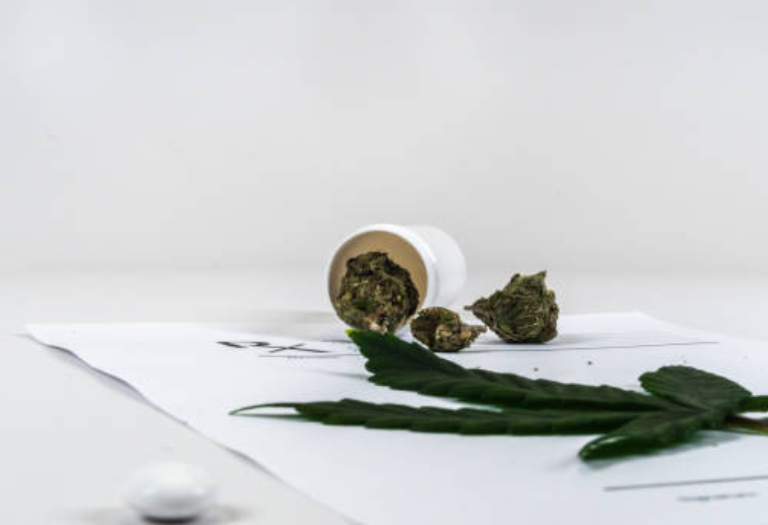
Living with Irritable Bowel Syndrome (IBS) often means dealing with symptoms that can change from day to day. Some days feel manageable. Other days bring abdominal pain, bloating, diarrhea, constipation, or a constant feeling of discomfort that disrupts daily life.
IBS doesn’t just affect digestion — it can influence energy levels, mood, sleep, and overall quality of life. Even with dietary changes and prescribed treatments, many people continue to experience flare-ups or incomplete relief.
Because of this, one question comes up frequently:
Can medical marijuana help with IBS symptoms?
The answer is nuanced. While cannabis is not a cure for IBS, some individuals explore it as a supportive option for managing symptoms such as pain, stress, and bowel irregularities.
What Is Irritable Bowel Syndrome (IBS)?
IBS is a functional gastrointestinal disorder, meaning it affects how the digestive system works without causing visible structural damage.
- IBS-D: Diarrhea-predominant
- IBS-C: Constipation-predominant
- IBS-M: Mixed pattern (alternating diarrhea and constipation)
- Abdominal pain or cramping
- Bloating and gas
- Changes in bowel habits
- Urgency or incomplete bowel movements
Unlike inflammatory bowel diseases, IBS does not involve visible inflammation or tissue damage, but it can still significantly impact daily functioning.

Why IBS Can Be Difficult to Manage
IBS is complex because it involves multiple interacting factors, including:
- Altered gut-brain communication
- Increased sensitivity to pain in the digestive tract
- Changes in intestinal motility
- Stress and anxiety triggers
- Imbalances in gut microbiota
Standard treatments — such as dietary modifications (like low-FODMAP diets), fiber supplements, antispasmodics, and medications — help many individuals. However, some continue to experience persistent or unpredictable symptoms.
This often leads patients to explore complementary approaches such as medical marijuana.
Can Medical Marijuana Help With IBS?
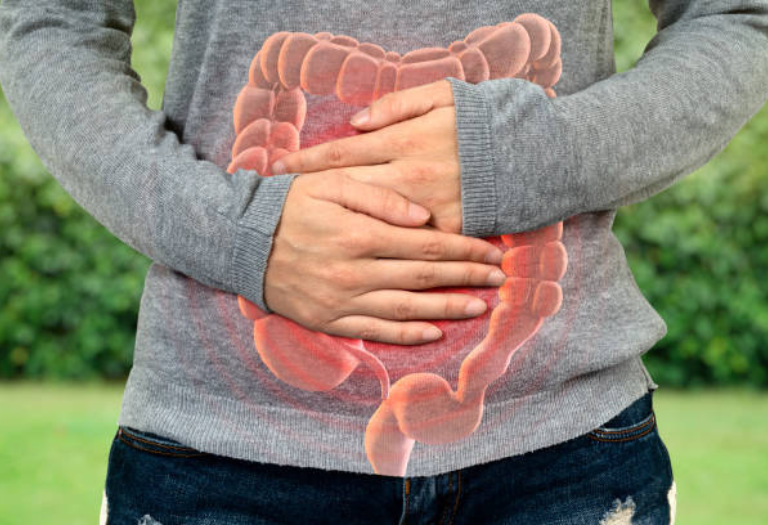
Medical marijuana may help some individuals manage IBS-related symptoms such as abdominal discomfort, stress, appetite changes, and sleep disturbances. However, it should be viewed as a symptom-management tool, not a cure or replacement for medical care.
How Cannabis Interacts With the Digestive System
- CB₁ receptors: Influence gut motility and pain signaling
- CB₂ receptors: Play a role in immune function and inflammatory responses
When cannabinoids such as THC and CBD interact with these receptors, they may influence processes that contribute to IBS symptoms.
Potential Ways Medical Marijuana May Support IBS Symptom Relief
Cannabinoids may help modulate pain signaling pathways, potentially reducing the intensity of abdominal discomfort in some individuals.
IBS often involves either increased or slowed bowel movements. Cannabinoids may influence intestinal motility, which could help some individuals manage diarrhea or urgency. However, effects can vary depending on the person.
By affecting gut sensitivity and muscle contractions, cannabis may help reduce sensations of bloating or pressure in some cases.
Stress is a major trigger for IBS symptoms. Cannabis may help some individuals feel calmer, which can indirectly reduce symptom flare-ups linked to the gut-brain axis.
IBS symptoms often worsen with poor sleep. Improved rest may help reduce symptom severity and improve overall well-being.

THC vs. CBD for IBS
Different cannabinoids may affect IBS symptoms in different ways.
- May help reduce pain and stimulate appetite
- Can influence gut motility
- May cause psychoactive effects such as euphoria or anxiety in some individuals
- Non-intoxicating
- May support stress reduction and relaxation
- Has potential anti-inflammatory and gut-regulating properties
- May provide combined benefits while reducing unwanted side effects
- Often explored by individuals seeking milder psychoactive effects
Safer Cannabis Use Strategies

Important Limitations to Understand
IBS is not caused by inflammation in the same way as other digestive diseases, and cannabis does not address all underlying mechanisms.
Medical marijuana is not proven to:
- Cure IBS
- Normalize gut function in all patients
- Eliminate symptom triggers completely
Responses can vary widely from person to person.
Choosing Cannabis Products for IBS: What Patients Often Consider
There is no one-size-fits-all approach. Individuals may explore different options depending on symptoms and lifestyle.
Common Product Types
- Oils or tinctures: Allow controlled dosing and longer-lasting effects
- Edibles: Provide extended relief but slower onset
- Vaporization: Faster onset, useful for acute discomfort
- Capsules: Consistent dosing for routine use
General Approach
- Start with low doses
- Adjust gradually based on response
- Monitor symptom changes carefully

Safety Considerations and Potential Risks
Cannabis is not risk-free, especially when used for a chronic condition like IBS. Potential concerns include:
- Anxiety or discomfort with higher THC doses
- Drowsiness or cognitive effects
- Interaction with medications
- Variability in symptom response
Additionally, cannabis may relieve symptoms without addressing underlying triggers such as diet, stress, or gut health.

FAQs
No. Cannabis may help manage symptoms but does not cure IBS.
Some individuals report reduced abdominal pain, but results vary.
CBD may be better tolerated for daytime use, while THC may help more with pain and appetite. The choice depends on individual needs.
It may influence gut motility, but effects are inconsistent and differ between individuals.
No. Treatment changes should always be discussed with a healthcare provider.
Some people report relief, but in others, cannabis may worsen bloating depending on how it affects digestion.
CBD may help reduce anxiety, which can indirectly improve IBS symptoms linked to stress.
Yes. In some individuals, it may increase discomfort, slow digestion, or cause unwanted side effects.
Non-smoking options like tinctures or edibles are often preferred for more controlled dosing.
Effects vary — inhalation works faster, while edibles take longer but last longer.

Cannabis is not risk-free, especially when used for a chronic condition like IBS. Potential concerns include:
- Anxiety or discomfort with higher THC doses
- Drowsiness or cognitive effects
- Interaction with medications
- Variability in symptom response
Additionally, cannabis may relieve symptoms without addressing underlying triggers such as diet, stress, or gut health.
Cannabis is not risk-free, especially when used for a chronic condition like IBS. Potential concerns include:
- Anxiety or discomfort with higher THC doses
- Drowsiness or cognitive effects
- Interaction with medications
- Variability in symptom response
Additionally, cannabis may relieve symptoms without addressing underlying triggers such as diet, stress, or gut health.
