
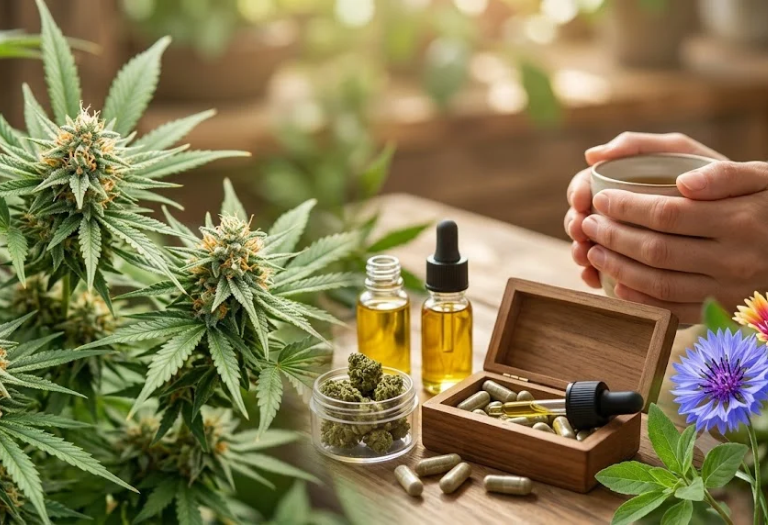
When Scleroderma Changes More Than Your Skin
It can start with something that seems easy to overlook.
Your fingers feel unusually tight. Cold leaves them painful or discolored. Your joints become stiff. Then fatigue, digestive problems, or persistent pain begin interfering with everyday life.
For some people, scleroderma remains primarily a skin condition. For others, systemic sclerosis can affect blood vessels and internal organs, including the lungs, heart, kidneys, and digestive tract. (NIAMS)
As patients look for additional ways to manage the discomfort that can accompany chronic disease, medical cannabis has attracted interest.
Could cannabis help with some scleroderma-related symptoms, and where does it actually fit into treatment?
The answer starts with understanding the disease itself.
Your fingers feel unusually tight. Cold leaves them painful or discolored. Your joints become stiff. Then fatigue, digestive problems, or persistent pain begin interfering with everyday life.
For some people, scleroderma remains primarily a skin condition. For others, systemic sclerosis can affect blood vessels and internal organs, including the lungs, heart, kidneys, and digestive tract. (NIAMS)
As patients look for additional ways to manage the discomfort that can accompany chronic disease, medical cannabis has attracted interest.
Could cannabis help with some scleroderma-related symptoms, and where does it actually fit into treatment?
The answer starts with understanding the disease itself.
What Is Scleroderma?
Scleroderma is an autoimmune disease associated with abnormal inflammation, blood-vessel changes, and fibrosis—the thickening and hardening of tissue caused by excess collagen production. (NIAMS)
There are two major categories:
There are two major categories:
- Localized Scleroderma
- Localized forms, including morphea and linear scleroderma, primarily affect the skin and tissues beneath it.
- Systemic Scleroderma
- Systemic sclerosis can affect the skin, blood vessels, and internal organs. It is generally divided into limited cutaneous and diffuse cutaneous forms based on the extent of skin involvement.
-
Possible symptoms include:
- Tight, thickened, or hardened skin
- Raynaud's phenomenon
- Joint and muscle pain
- Fatigue
- Digestive problems and reflux
- Difficulty swallowing
- Digital ulcers
- Lung complications
- Kidney complications
- Heart involvement
How Scleroderma Affects Daily Life
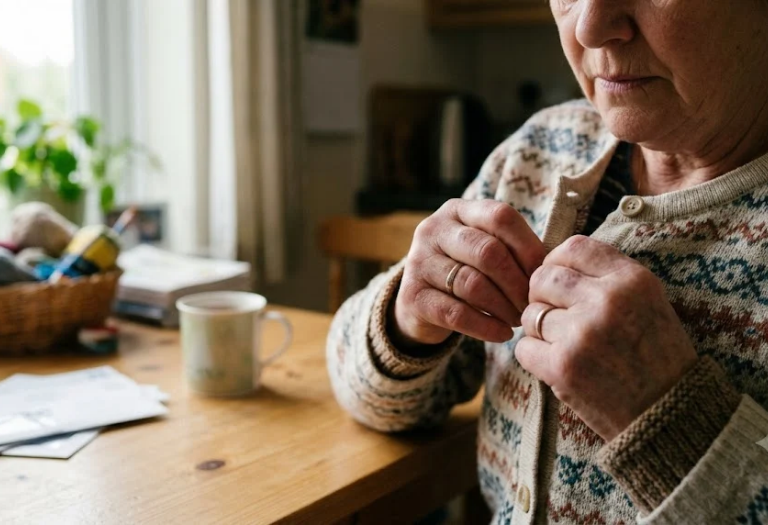
Scleroderma isn’t simply about how the skin looks or feels.
Pain may come from tightened skin, joints, muscles, nerves, or vascular problems. Raynaud’s phenomenon can make cold exposure painful. Digestive involvement may cause reflux, constipation, or problems moving food through the gastrointestinal tract.
Fatigue can add another burden, especially when pain and poor sleep occur at the same time.
For systemic disease, doctors also monitor organ function because complications involving the lungs, heart, kidneys, and digestive system can require specific treatment. (NIAMS)
The goal of care is therefore bigger than pain relief: protect organ function, control complications, maintain mobility, and improve quality of life.
Pain may come from tightened skin, joints, muscles, nerves, or vascular problems. Raynaud’s phenomenon can make cold exposure painful. Digestive involvement may cause reflux, constipation, or problems moving food through the gastrointestinal tract.
Fatigue can add another burden, especially when pain and poor sleep occur at the same time.
For systemic disease, doctors also monitor organ function because complications involving the lungs, heart, kidneys, and digestive system can require specific treatment. (NIAMS)
The goal of care is therefore bigger than pain relief: protect organ function, control complications, maintain mobility, and improve quality of life.
Cannabis should be considered only as potential supportive care—not a replacement for treatment that addresses the source of the nerve pain.
Standard Medical Treatment for Scleroderma

Medical cannabis is not a primary treatment or cure for scleroderma.Treatment depends on the type of disease, symptoms, and organs involved.
1. Medications for Disease and Inflammation
Immunosuppressive medications may be used for certain manifestations of systemic disease. Other medications can target specific complications.
2. Vascular Treatment
Vasodilators may be prescribed for Raynaud’s phenomenon and certain vascular or pulmonary complications.
3. Pain and Skin Management
Anti-inflammatory medications, topical treatments, moisturizers, and other symptom-specific approaches may help manage pain, itching, dryness, and skin-related discomfort.
4. Physical and Occupational Therapy
Therapy can help maintain strength, flexibility, hand function, and independence when stiffness or tightening affects movement.
5. Organ-Specific Monitoring
Depending on the individual’s condition, doctors may monitor lung, heart, kidney, and gastrointestinal function with appropriate testing. Early identification of organ involvement is particularly important in systemic disease. (NIAMS)
Cannabis, if considered, should complement this care—not replace it.
How Medical Cannabis May Affect Scleroderma Symptoms
Cannabis contains cannabinoids such as THC (tetrahydrocannabinol) and CBD (cannabidiol). These compounds interact with the body’s endocannabinoid system, which is involved in processes including pain signaling, appetite, mood, and sleep.
THC
THC is the intoxicating cannabinoid responsible for the cannabis “high.” It may affect pain perception, appetite, and sleep, but can also cause dizziness, impaired coordination, anxiety, and cognitive effects.
CBD
CBD does not produce the same intoxicating effect as THC. It has been studied for potential effects on pain, anxiety, inflammation, and other processes, although scleroderma-specific evidence remains limited.
A biological effect, however, is not the same thing as a proven treatment.
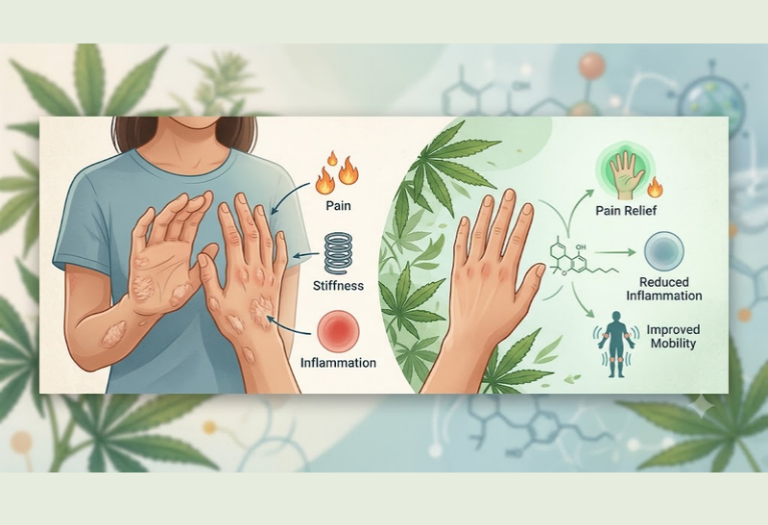
Potential Benefits of Medical Cannabis for Scleroderma
Medical cannabis is not established as a treatment for the underlying autoimmune disease. Its potential role is primarily symptom support.
1. Chronic Pain Support
Cannabinoids may influence pain signaling and could help some people manage persistent pain associated with chronic conditions.
2. Appetite Support
Appetite loss and nutritional difficulties can occur in systemic sclerosis, particularly when gastrointestinal involvement is present.
A 2025 randomized placebo-controlled trial involving 27 systemic sclerosis patients with anorexia or malnutrition found a significant increase in reported hunger among participants receiving cannabis oil. The cannabis group also showed trends toward improvements in appetite, calorie intake, weight, and quality of life, although most differences between groups were not statistically significant. Larger trials are needed. (PubMed)
A 2025 randomized placebo-controlled trial involving 27 systemic sclerosis patients with anorexia or malnutrition found a significant increase in reported hunger among participants receiving cannabis oil. The cannabis group also showed trends toward improvements in appetite, calorie intake, weight, and quality of life, although most differences between groups were not statistically significant. Larger trials are needed. (PubMed)
3. Sleep Support
Pain, discomfort, and stress can make restorative sleep difficult. Some people report better sleep with cannabis, although responses vary and regular THC use can also lead to tolerance or sleep-related problems.
4. Stress and Emotional Well-Being
Living with a chronic disease can create a constant psychological burden. Some individuals may find cannabinoid therapy helpful for relaxation or stress-related symptoms.
5. Overall Symptom Comfort
When several symptoms occur together, reducing individual burdens such as pain, poor sleep, or appetite problems may help some patients function more comfortably.
The potential goal is better symptom control—not changing the underlying course of scleroderma
What Research Says About Cannabis and Scleroderma
This is an area where the evidence needs to be handled carefully.
Direct clinical research on cannabis for scleroderma is still limited.
The strongest recent scleroderma-specific evidence comes from the small 2025 randomized placebo-controlled trial of cannabis oil described above. The results were encouraging for hunger, but the study was small and did not establish cannabis as an effective treatment for systemic sclerosis. One participant receiving cannabis oil developed severe hyponatremia and withdrew from the study. (PubMed)
Another important piece of research involved lenabasum, a selective cannabinoid type-2 receptor agonist—not medical marijuana itself. In a phase 3 randomized trial involving 365 people with diffuse cutaneous systemic sclerosis, the primary endpoint was not met. (PubMed)
That distinction matters.
Research into cannabinoid pathways does not prove that cannabis treats scleroderma.
Direct clinical research on cannabis for scleroderma is still limited.
The strongest recent scleroderma-specific evidence comes from the small 2025 randomized placebo-controlled trial of cannabis oil described above. The results were encouraging for hunger, but the study was small and did not establish cannabis as an effective treatment for systemic sclerosis. One participant receiving cannabis oil developed severe hyponatremia and withdrew from the study. (PubMed)
Another important piece of research involved lenabasum, a selective cannabinoid type-2 receptor agonist—not medical marijuana itself. In a phase 3 randomized trial involving 365 people with diffuse cutaneous systemic sclerosis, the primary endpoint was not met. (PubMed)
That distinction matters.
Research into cannabinoid pathways does not prove that cannabis treats scleroderma.
Why More Research Is Still Needed
Researchers still need stronger evidence about:
So today, cannabis should be viewed as a potential supportive option, not a disease-modifying therapy.
- Which symptoms respond best
- Whether THC, CBD, or specific cannabinoid ratios are preferable
- Appropriate doses and treatment duration
- Long-term safety
- Medication interactions
- Which scleroderma patients may benefit most
So today, cannabis should be viewed as a potential supportive option, not a disease-modifying therapy.
Cannabis for Scleroderma: What It May and May Not Do
| Potential role | Current understanding |
| Chronic pain | May provide symptom relief for some people |
| Appetite loss | Early scleroderma-specific research is promising |
| Sleep problems | Some patients report benefit; evidence varies |
| Stress | Possible supportive benefit |
| Skin thickening | Not established as a treatment |
| Raynaud’s phenomenon | Not an established treatment |
| Lung fibrosis | Not a proven treatment |
| Kidney complications | Not a treatment |
| Underlying autoimmune disease | Does not cure scleroderma |
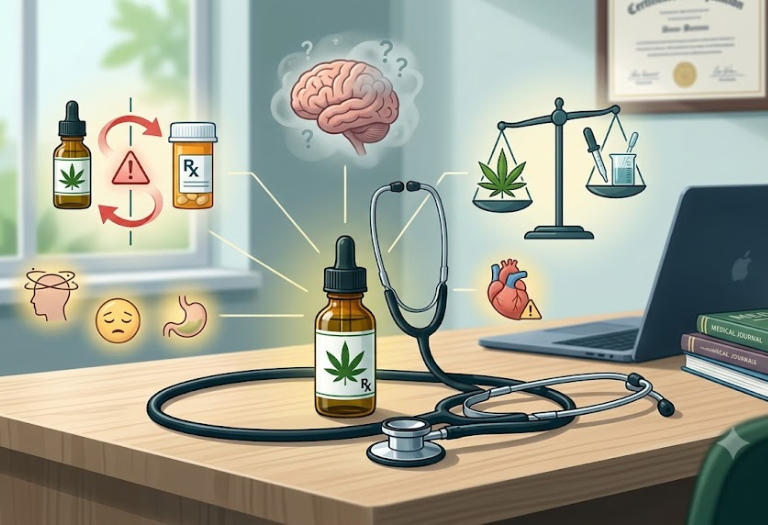
Risks and Considerations
Cannabis also deserves a careful risk assessment.
1. Medication Interactions
Cannabinoids may affect the metabolism of certain medications. This is particularly relevant for people taking multiple prescriptions.
2. Dizziness and Blood Pressure Effects
Cannabis may cause dizziness or changes in blood pressure, which can be important for people already dealing with vascular symptoms.
3. Cognitive Effects
THC can impair attention, coordination, reaction time, and judgment.
4. Cannabis Use Disorder
Frequent cannabis use can lead to problematic use or dependence in some individuals.
5. Masking Important Symptoms
Reducing pain does not mean an underlying complication has disappeared. New shortness of breath, chest symptoms, severe gastrointestinal problems, kidney symptoms, or rapidly worsening vascular problems require medical evaluation.
Safer Use Principles
If a licensed healthcare professional determines medical cannabis may be appropriate:
- Start low and increase cautiously.
- Use measured products so doses can be tracked.
- Discuss THC versus CBD according to the symptoms being targeted.
- Review every medication for potential interactions.
- Monitor pain, sleep, appetite, function, and side effects.
- Never stop prescribed scleroderma treatment because cannabis seems helpful.

FAQs

1. Can medical cannabis cure scleroderma?
No. There is no evidence that cannabis cures scleroderma or stops the underlying autoimmune and fibrotic processes.
2. Can cannabis help scleroderma pain?
It may help some people manage chronic pain, but direct evidence in scleroderma remains limited.
3. Can cannabis improve appetite in scleroderma?
Possibly. A small 2025 trial found increased hunger and trends toward improved appetite-related outcomes, but larger studies are needed. (PubMed)
4. Can cannabis treat Raynaud's phenomenon?
Cannabis is not an established treatment for Raynaud’s phenomenon. Vascular symptoms require appropriate medical care.
5. Can cannabis reverse skin tightening?
There is currently no good evidence that cannabis reverses scleroderma-related skin fibrosis or thickening.
6. Can cannabis treat scleroderma lung disease?
No. It should never replace evaluation or treatment for interstitial lung disease or pulmonary hypertension.
7. Is CBD better than THC for scleroderma?
Not necessarily. CBD is non-intoxicating, while THC has different effects and risks. The appropriate choice depends on the individual and the symptom being addressed.
8. Can I use cannabis with my scleroderma medications?
It may be possible, but interactions need to be reviewed by a qualified healthcare professional.
9. Is medical cannabis FDA-approved for scleroderma?
No. The FDA has not approved cannabis to treat scleroderma. (U.S. Food and Drug Administration)
10. Should I speak with a medical cannabis provider first?
Yes. A qualified provider can review your medical history, medications, symptoms, and goals before determining whether medical cannabis is appropriate.
When to Seek Medical Attention

Do not use cannabis to postpone evaluation of potentially serious scleroderma complications.
Seek prompt medical attention for:
- New or worsening shortness of breath
- Chest pain
- Severe difficulty swallowing
- Sudden major blood-pressure elevation
- Severe abdominal symptoms
- New or worsening digital ulcers
- Significant swelling
- A marked reduction in urine
Finding the Right Path to Greater Comfort
Scleroderma demands long-term care, but that doesn’t mean every difficult symptom has to become part of your normal.
For some people, medical cannabis may provide supportive relief for pain, appetite problems, sleep disruption, or stress. It does not replace the treatment and monitoring that protect against scleroderma complications.
The better question isn’t simply, “Will cannabis work for me?”
It’s “Could it safely fit into the care I’m already receiving?” That’s where the right guidance can make the difference. At MSNM, patients can connect with licensed medical marijuana providers who review their health history, symptoms, and goals to determine whether medical cannabis may be an appropriate option under applicable state requirements.
Keep the treatment that protects your health. Add support where you still need it. And let the right guidance help you find a path toward more comfortable days.
The better question isn’t simply, “Will cannabis work for me?”
It’s “Could it safely fit into the care I’m already receiving?” That’s where the right guidance can make the difference. At MSNM, patients can connect with licensed medical marijuana providers who review their health history, symptoms, and goals to determine whether medical cannabis may be an appropriate option under applicable state requirements.
Keep the treatment that protects your health. Add support where you still need it. And let the right guidance help you find a path toward more comfortable days.
Ready to find the
perfect strain for your needs?
Navigating the complexities of medical marijuana laws can be tricky, but with the right information, you can protect your privacy and your rights as a medical cannabis cardholder. At Marijuana Specialist Near Me, we make the process of obtaining a medical marijuana card straightforward, with online consultations and guidance through the legal landscape, ensuring you’re well informed about how your card can be used without compromising your privacy.
