
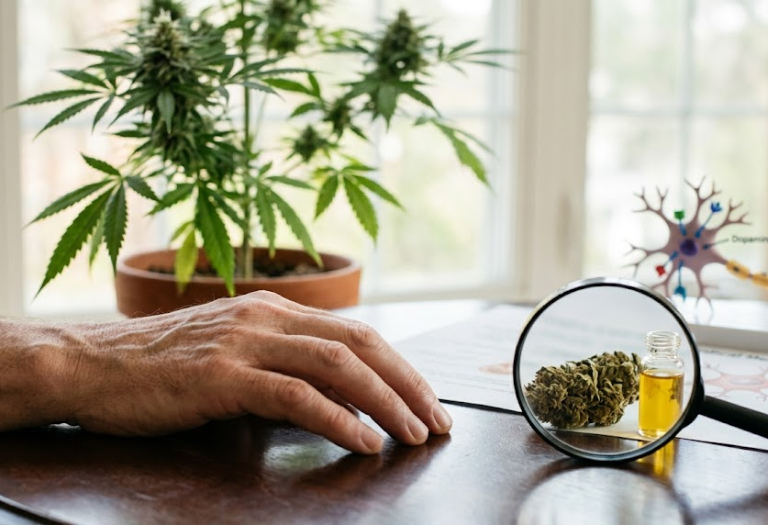
When Movement Stops Feeling Automatic
You don’t usually think about movement — until it becomes difficult.
With Parkinson’s disease, actions that once felt natural can slowly require more effort. A hand may begin to tremble while resting. Walking may feel slower or less steady. Muscles may tighten without warning. Even everyday tasks like buttoning a shirt, writing, or turning in bed can become frustrating over time.
Parkinson’s affects more than movement alone. Many individuals also experience fatigue, sleep disruption, anxiety, pain, constipation, or changes in mood that affect daily quality of life. Symptoms often shift gradually, which can make the condition physically and emotionally exhausting to manage.
Standard medical treatment remains essential for slowing symptom progression and maintaining function. Alongside this, some individuals explore additional supportive approaches to improve comfort and daily living.
Medical cannabis is one option that continues to generate interest within the Parkinson’s community.
To understand whether it may help, it’s important to look at how Parkinson’s disease affects the nervous system — and how cannabinoids may interact with movement, pain, sleep, and neurological signaling.
With Parkinson’s disease, actions that once felt natural can slowly require more effort. A hand may begin to tremble while resting. Walking may feel slower or less steady. Muscles may tighten without warning. Even everyday tasks like buttoning a shirt, writing, or turning in bed can become frustrating over time.
Parkinson’s affects more than movement alone. Many individuals also experience fatigue, sleep disruption, anxiety, pain, constipation, or changes in mood that affect daily quality of life. Symptoms often shift gradually, which can make the condition physically and emotionally exhausting to manage.
Standard medical treatment remains essential for slowing symptom progression and maintaining function. Alongside this, some individuals explore additional supportive approaches to improve comfort and daily living.
Medical cannabis is one option that continues to generate interest within the Parkinson’s community.
To understand whether it may help, it’s important to look at how Parkinson’s disease affects the nervous system — and how cannabinoids may interact with movement, pain, sleep, and neurological signaling.
Understanding Parkinson’s Disease
Parkinson’s disease (PD) is a progressive neurological disorder that affects movement and nervous system function.
It develops when dopamine-producing nerve cells in the brain gradually become damaged or die. Dopamine plays a critical role in coordinating smooth and controlled movement. As dopamine levels decline, symptoms begin to appear and progress over time.
It develops when dopamine-producing nerve cells in the brain gradually become damaged or die. Dopamine plays a critical role in coordinating smooth and controlled movement. As dopamine levels decline, symptoms begin to appear and progress over time.
- Common symptoms include:
- Tremors or shaking
- Muscle stiffness and rigidity
- Slowed movement (bradykinesia)
- Balance and coordination difficulties
- Fatigue
- Sleep disturbances
- Anxiety or depression
- Constipation and digestive issues
Symptoms and progression vary significantly between individuals. Some experience primarily movement-related symptoms, while others struggle more with sleep, mood, pain, or cognitive changes.
Standard Medical Approaches for Parkinson’s Disease
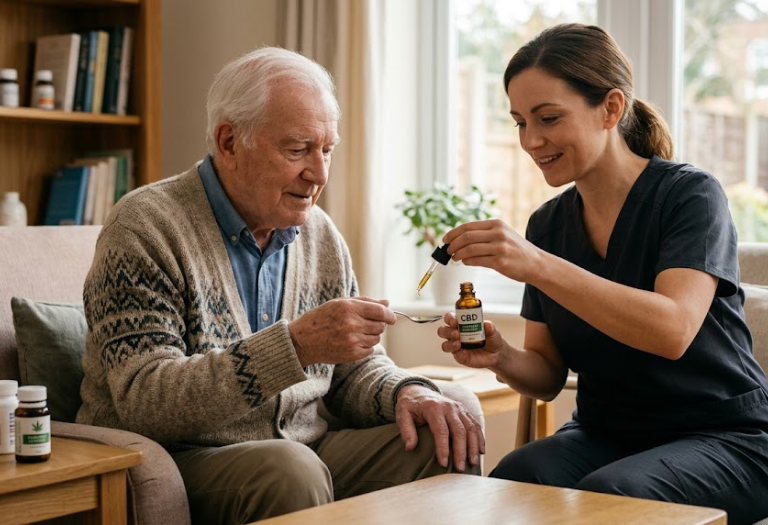
Medical cannabis is not considered a cure or primary treatment for Parkinson’s disease. Current treatment strategies focus on symptom management, mobility support, and preserving quality of life.
1. Dopamine-Based Medications
Levodopa and other dopamine-related medications help improve movement and reduce stiffness or tremors in many patients.
2. Physical and Occupational Therapy
Exercise, balance training, and therapy can help maintain mobility, flexibility, and independence.
3. Speech and Swallowing Therapy
Some individuals benefit from therapy to help manage speech or swallowing difficulties that develop over time.
4. Surgical Approaches
In certain cases, procedures like deep brain stimulation (DBS) may help reduce severe motor symptoms.
5. Lifestyle and Supportive Care
Sleep, nutrition, stress management, and routine physical activity all play an important role in symptom control.
Cannabis, if considered, is generally explored as adjunct symptom support, not as a replacement for evidence-based Parkinson’s treatment.
The Endocannabinoid System and Parkinson’s Symptoms
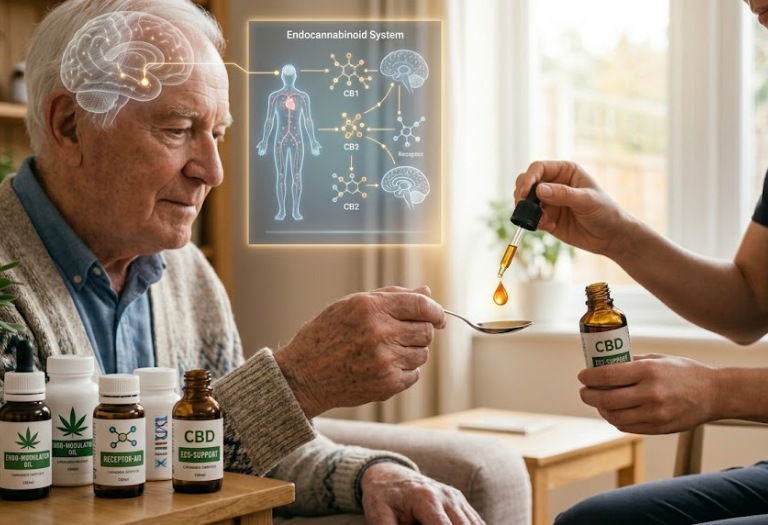
The endocannabinoid system (ECS) helps regulate:
- Movement signaling
- Pain perception
- Sleep
- Mood and anxiety
- Muscle activity
- Stress response
Cannabinoid receptors are present throughout the brain and nervous system, including regions involved in movement control. This has led researchers to study whether cannabinoids may influence certain Parkinson’s symptoms.
- THC (Tetrahydrocannabinol)
- Psychoactive compound
- May reduce pain and muscle stiffness
- May support sleep and relaxation
- Higher doses may increase dizziness, confusion, or hallucinations in some individuals
- CBD (Cannabidiol)
- Non-intoxicating
- May help reduce anxiety and stress
- May support sleep and emotional regulation
- Generally better tolerated for daytime use
- Current evidence is still developing, and responses vary significantly between individuals.
Potential Benefits of Medical Cannabis for Parkinson’s Disease
While cannabis does not stop disease progression, some individuals explore it for symptom management.
1. Muscle Stiffness and Spasticity Support
Muscle rigidity and cramping can interfere with movement and comfort. Some patients report feeling physically more relaxed with cannabinoid use.
2. Tremor and Movement Symptoms
Some individuals report temporary improvements in tremors or involuntary movements, though clinical findings remain mixed.
3. Pain Relief
Chronic pain and muscle discomfort are common in Parkinson’s disease. Cannabinoids may influence pain signaling pathways and improve comfort in some patients.
4. Sleep Improvement
Sleep problems are extremely common in Parkinson’s. Some individuals report better sleep quality or reduced nighttime discomfort with balanced THC:CBD products.
5. Anxiety and Emotional Support
Living with a progressive neurological condition can create significant emotional strain. CBD may help support relaxation and stress regulation in some individuals.
6. Appetite and Weight Support
Some people with Parkinson’s experience reduced appetite or unintended weight loss. THC may help stimulate appetite in certain cases.

What Research Says About Cannabis and Parkinson’s Disease
Research into cannabis and Parkinson’s disease is still ongoing, and current findings remain limited.
Some small studies and patient reports suggest cannabinoids may help certain symptoms such as:
Some small studies and patient reports suggest cannabinoids may help certain symptoms such as:
- Muscle stiffness
- Sleep disturbances
- Pain
- Anxiety
- Tremors in some individuals
A few studies have shown that some patients reported improved overall quality of life after cannabis use. Researchers believe this may relate to how cannabinoids interact with movement pathways, pain signaling, and stress regulation in the nervous system.
However, scientific evidence remains inconsistent. Some studies show symptom improvement, while others show minimal or unclear benefit. Most existing studies are also small, short-term, or based on patient self-reporting rather than large clinical trials.
Organizations such as the Parkinson’s Foundation note that there is currently insufficient evidence to confirm cannabis as a proven treatment for Parkinson’s disease itself.
At this stage, cannabis is best viewed as a possible supportive option for symptom management — not a cure or replacement for medical therapy.
However, scientific evidence remains inconsistent. Some studies show symptom improvement, while others show minimal or unclear benefit. Most existing studies are also small, short-term, or based on patient self-reporting rather than large clinical trials.
Organizations such as the Parkinson’s Foundation note that there is currently insufficient evidence to confirm cannabis as a proven treatment for Parkinson’s disease itself.
At this stage, cannabis is best viewed as a possible supportive option for symptom management — not a cure or replacement for medical therapy.
Why More Research Is Still Needed
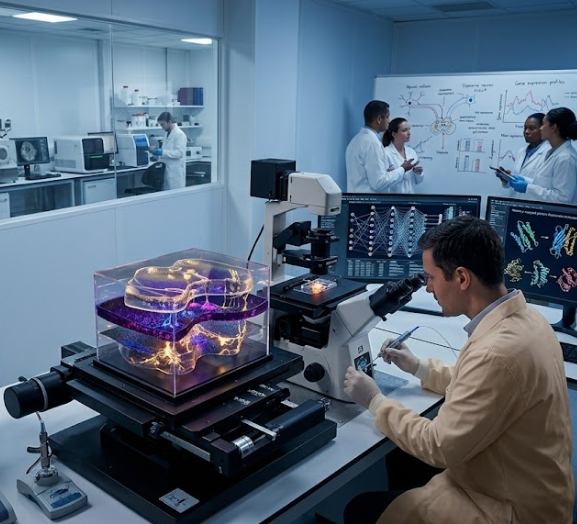
Parkinson’s disease affects individuals differently, which makes studying cannabis outcomes more complex.
Researchers still need clearer answers about:
Researchers still need clearer answers about:
- Which cannabinoids work best for specific symptoms
- Optimal THC:CBD ratios
- Long-term safety in older adults
- Effects on cognition and balance
- Drug interactions with Parkinson’s medications
- Whether benefits outweigh risks over time
Another challenge is product inconsistency. Cannabis products can vary widely in potency, formulation, and delivery method, making it difficult to compare results between studies.
Because Parkinson’s patients may already be vulnerable to dizziness, confusion, hallucinations, or falls, understanding safety is especially important.
Larger, long-term clinical trials are needed before cannabis can be fully understood as part of Parkinson’s care.
Because Parkinson’s patients may already be vulnerable to dizziness, confusion, hallucinations, or falls, understanding safety is especially important.
Larger, long-term clinical trials are needed before cannabis can be fully understood as part of Parkinson’s care.
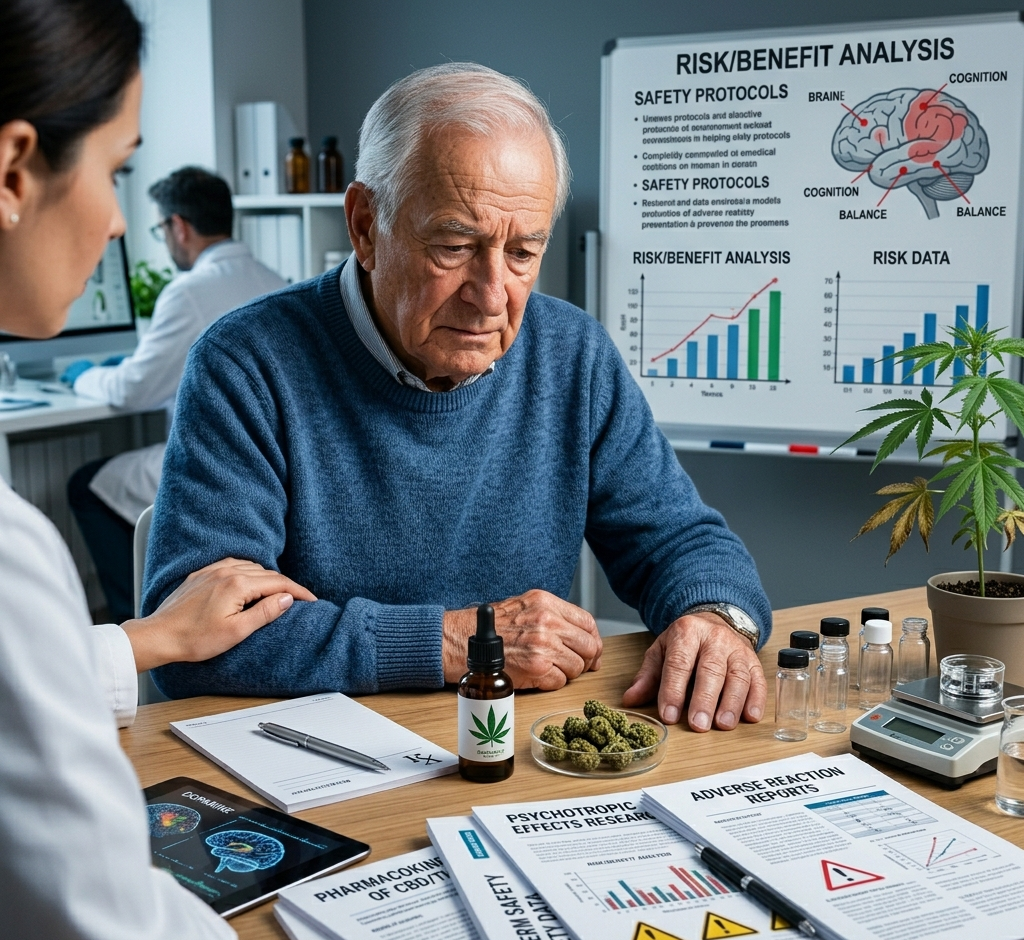
Risks and Considerations
Cannabis use in Parkinson’s disease requires careful medical supervision.
1. Balance and Fall Risk : Cannabis may increase dizziness or impair coordination, potentially increasing fall risk in individuals already experiencing mobility challenges.
2. Cognitive Effects : High-THC products may worsen confusion, memory problems, or slowed thinking.
3. Hallucinations or Psychological Effects : Some individuals with Parkinson’s are already vulnerable to hallucinations or psychosis, which THC may worsen.
4. Fatigue and Sedation : Cannabis may increase daytime sleepiness or low energy in some patients.
5. Drug Interactions : Cannabinoids may interact with Parkinson’s medications or other prescriptions through liver enzyme pathways. Because Parkinson’s symptoms vary widely, professional guidance is essential before use.
1. Balance and Fall Risk : Cannabis may increase dizziness or impair coordination, potentially increasing fall risk in individuals already experiencing mobility challenges.
2. Cognitive Effects : High-THC products may worsen confusion, memory problems, or slowed thinking.
3. Hallucinations or Psychological Effects : Some individuals with Parkinson’s are already vulnerable to hallucinations or psychosis, which THC may worsen.
4. Fatigue and Sedation : Cannabis may increase daytime sleepiness or low energy in some patients.
5. Drug Interactions : Cannabinoids may interact with Parkinson’s medications or other prescriptions through liver enzyme pathways. Because Parkinson’s symptoms vary widely, professional guidance is essential before use.
Safer Cannabis Use Strategies for Parkinson’s Patients
If medical cannabis is included as part of a care plan:
1. Start Low and Increase Slowly : Using low doses initially may help reduce unwanted side effects.
2. Consider CBD-Dominant or Balanced Products : These may provide symptom support with fewer psychoactive effects.
3. Avoid High-THC Concentrates : High-potency products may increase confusion, dizziness, or hallucinations.
4. Use Consistent, Measured Products : Tinctures, capsules, or controlled-dose products allow more predictable dosing.
5. Monitor Symptom Changes Carefully : Track:
1. Start Low and Increase Slowly : Using low doses initially may help reduce unwanted side effects.
2. Consider CBD-Dominant or Balanced Products : These may provide symptom support with fewer psychoactive effects.
3. Avoid High-THC Concentrates : High-potency products may increase confusion, dizziness, or hallucinations.
4. Use Consistent, Measured Products : Tinctures, capsules, or controlled-dose products allow more predictable dosing.
5. Monitor Symptom Changes Carefully : Track:
- Tremors
- Sleep quality
- Pain levels
- Balance changes
- Anxiety or mood symptoms
Consult a healthcare provider if symptoms worsen.
Cannabis and Parkinson’s Medications
Cannabinoids may interact with medications used for:
CBD, in particular, may affect liver enzymes involved in medication metabolism. Always discuss cannabis use with a neurologist or qualified healthcare provider before combining treatments.
- Dopamine replacement
- Sleep disorders
- Anxiety or depression
- Pain management
CBD, in particular, may affect liver enzymes involved in medication metabolism. Always discuss cannabis use with a neurologist or qualified healthcare provider before combining treatments.
FAQs
1. Can medical cannabis cure Parkinson’s disease?
No. Cannabis may help manage certain symptoms but does not cure or stop disease progression.
2. Can cannabis help tremors in Parkinson’s disease?
Some individuals report temporary tremor relief, but research findings remain limited and inconsistent.
3. Is CBD or THC better for Parkinson’s?
CBD is often better tolerated for daytime use, while THC may help more with pain, stiffness, or sleep.
4. Can cannabis help with Parkinson’s-related sleep problems?
Some individuals report improved sleep quality and reduced nighttime discomfort.
5. Is medical cannabis approved for Parkinson’s disease?
There is no FDA-approved cannabis treatment specifically for Parkinson’s disease.
6. Can cannabis worsen hallucinations in Parkinson’s patients?
Yes. High-THC products may increase hallucinations or confusion in vulnerable individuals.
7. Can cannabis improve anxiety in Parkinson’s disease?
CBD may help reduce stress and anxiety in some individuals.
8. Is smoking cannabis recommended for Parkinson’s patients?
Non-smoking methods like tinctures or capsules are generally preferred for more controlled dosing.
9. Can cannabis interact with Parkinson’s medications?
Yes. Drug interactions are possible and should be discussed with a healthcare provider.
10. Should I talk to a neurologist before trying cannabis for Parkinson’s?
Yes. Professional medical supervision is strongly recommended.
Finding the Right Path to Symptom Relief

Parkinson’s disease affects movement, independence, sleep, mood, and overall quality of life in deeply personal ways. What helps one individual may not help another.
Medical cannabis may offer supportive relief for symptoms like stiffness, pain, anxiety, or sleep disruption in some people with Parkinson’s. However, it works best when approached carefully, realistically, and alongside proper neurological care — not as a replacement for treatment.
The goal is not simply masking symptoms. It’s improving comfort, preserving function, and helping individuals maintain a better quality of life over time.
With informed guidance, cautious use, and a personalized care plan, some patients find that supportive therapies can help them move from constantly reacting to symptoms toward living with greater confidence and stability.
Medical cannabis may offer supportive relief for symptoms like stiffness, pain, anxiety, or sleep disruption in some people with Parkinson’s. However, it works best when approached carefully, realistically, and alongside proper neurological care — not as a replacement for treatment.
The goal is not simply masking symptoms. It’s improving comfort, preserving function, and helping individuals maintain a better quality of life over time.
With informed guidance, cautious use, and a personalized care plan, some patients find that supportive therapies can help them move from constantly reacting to symptoms toward living with greater confidence and stability.
Ready to find the
perfect strain for your needs?
Navigating the complexities of medical marijuana laws can be tricky, but with the right information, you can protect your privacy and your rights as a medical cannabis cardholder. At Marijuana Specialist Near Me, we make the process of obtaining a medical marijuana card straightforward, with online consultations and guidance through the legal landscape, ensuring you’re well informed about how your card can be used without compromising your privacy.
