

When Sleep Turns Into Panic
Imagine this: it’s a peaceful night. The house is quiet, and everyone is asleep. Everything seems normal. Then suddenly, a scream breaks the silence. There’s rapid breathing, restless movement, and wide eyes that don’t seem fully awake. The person looks terrified, but when you try to talk to them, they don’t respond.
A few minutes later, it’s over,and by morning, they don’t remember any of it.
Night terrors aren’t nightmares. They’re something deeper — a sudden jolt of fear rising out of the nervous system during deep sleep. For parents watching it happen in their child, or adults experiencing it themselves, it can be frightening and exhausting.
As interest in medical cannabis grows, many ask:
Can cannabis calm night terrors — or could it disrupt sleep even more?
Let’s examine the science carefully.
As interest in medical cannabis grows, many ask:
Can cannabis calm night terrors — or could it disrupt sleep even more?
Let’s examine the science carefully.
What Are Night Terrors?
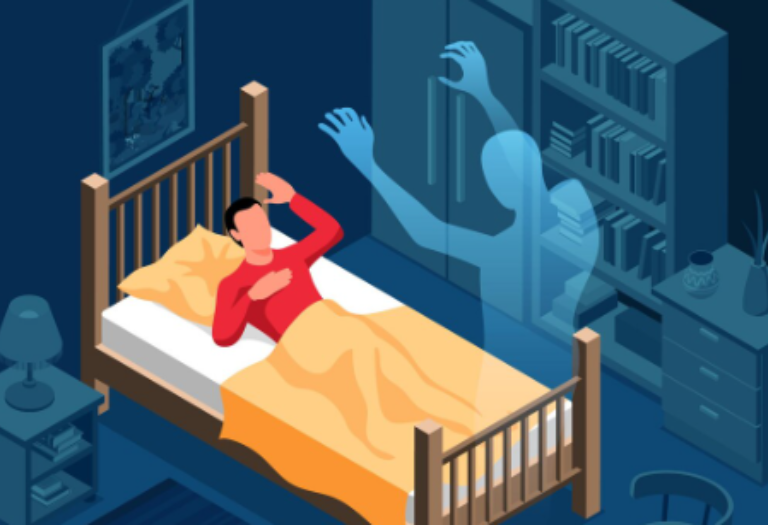
Night terrors (also called sleep terrors) are classified as a parasomnia, a sleep disorder involving abnormal behaviors during sleep.
They typically occur during non-REM (NREM) deep sleep, usually in the first third of the night.
Unlike nightmares:
- The person often appears awake but is not conscious
- There is intense fear, crying, or screaming
- The episode may last 5–20 minutes
- The person usually has no memory of it
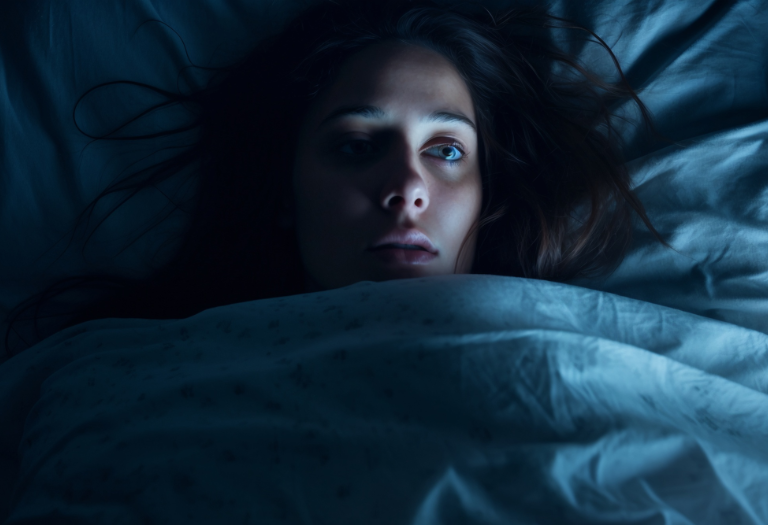
Common Symptoms of Night Terrors
- Sudden screaming or crying during sleep
- Rapid heartbeat and sweating
- Thrashing or sitting upright abruptly
- Glassy-eyed appearance
- Confusion if awakened
- No memory of the event afterward
- PTSD
- Severe anxiety
- Trauma history
- Sleep disorders like sleep apnea
1. Exposure and Response Prevention (ERP) Therapy
A structured form of Cognitive Behavioral Therapy (CBT) where patients gradually face triggers while resisting compulsions. ERP has the strongest evidence base for long-term symptom reduction.
2. Selective Serotonin Reuptake Inhibitors (SSRIs)
Often prescribed at higher doses than for depression. Examples include fluoxetine, sertraline, and fluvoxamine.
3. Psychiatric Supervision
For severe cases, augmentation strategies may include antipsychotic medications under medical guidance.
If OCD symptoms are severe, involve self-harm fears, or significantly impair functioning, immediate professional treatment is essential.
Medical cannabis, if considered, should only be explored as a complementary strategy under medical supervision.
If OCD symptoms are severe, involve self-harm fears, or significantly impair functioning, immediate professional treatment is essential.
Medical cannabis, if considered, should only be explored as a complementary strategy under medical supervision.
Standard Treatment Approaches

Before discussing medical cannabis, it’s important to emphasize first-line care:
1. Sleep Hygiene Optimization
- Regular sleep schedule
- Reduced screen exposure before bed
- Avoiding alcohol and heavy meals late at night
2. Stress Management
Night terrors are strongly linked to stress dysregulation.
3. Treating Underlying Conditions
- Sleep apnea
- PTSD
- Anxiety disorders
- Medication side effects
4. In Severe Cases
Doctors may prescribe:
- Benzodiazepines
- Antidepressants
- Clonazepam (in some adult cases)
How Cannabis Affects Sleep
Cannabis interacts with the endocannabinoid system (ECS), which regulates:
- Sleep cycles
- Stress response
- Emotional memory processing
- REM sleep patterns
THC (tetrahydrocannabinol)
- Psychoactive compound
- Shortens REM sleep
- Can reduce dream activity
- May help with PTSD-related nightmares
- Can cause next-day grogginess in higher doses
CBD (cannabidiol)
- Non-intoxicating
- May reduce anxiety
- May improve sleep onset
- Does not significantly suppress REM at typical doses

Could Medical Cannabis Help Night Terrors?
Research is still emerging, but here’s what we understand:
1. REM Suppression and Trauma-Related Night Events
THC is known to reduce REM sleep. This has shown promise for patients with PTSD-related nightmares.
However, night terrors happen during deep NREM sleep, not REM. This means THC’s REM suppression may not directly target the root mechanism of classic night terrors.
However, night terrors happen during deep NREM sleep, not REM. This means THC’s REM suppression may not directly target the root mechanism of classic night terrors.
2. Anxiety and Stress Regulation
Chronic stress increases parasomnias.
CBD’s anxiolytic (anxiety-reducing) properties may help stabilize nervous system hyperarousal, potentially reducing frequency in stress-triggered cases.
3. Sleep Consolidation
Some patients report fewer nighttime awakenings with balanced THC-CBD formulations.
Better sleep stability may reduce parasomnia episodes in certain individuals.
Important Distinction: Night Terrors vs. PTSD Nightmares
This matters clinically.
Cannabis appears more promising for REM-related nightmares than true night terrors.
| Feature | Night Terrors | PTSD Nightmares |
|---|---|---|
| Sleep Stage | Deep NREM | REM |
| Memory of Event | Usually none | Usually vivid recall |
| Response to THC | Unclear | May reduce REM nightmares |
| Age Group | More common in children | More common in adults |
Risks of Using Cannabis for Night Terrors
Because this is a YMYL topic affecting neurological and psychological health, risks must be clearly outlined.
1. Sleep Architecture Disruption
Chronic THC use can alter natural sleep cycles, potentially reducing restorative sleep over time.
2. Tolerance Development
Regular use may require increasing doses, reducing effectiveness.
3. Rebound Sleep Disturbance
Stopping THC abruptly can cause vivid dreams or sleep disruption.
4. Anxiety and Paranoia
High-THC strains may increase nighttime anxiety in sensitive individuals.
5. Pediatric Concerns
Night terrors are most common in children. Cannabis is not recommended for pediatric use unless under strict medical supervision in rare cases.
Who Might Consider Medical Cannabis?
Under medical supervision, cannabis may be considered in adults who:
- Experience night terrors linked to PTSD
- Have co-occurring anxiety or insomnia
- Have not responded to traditional therapies
- Live in states where medical cannabis is legal
Safer Use Guidelines
If a licensed provider recommends medical cannabis:
1. Consider CBD-Dominant Formulations
Especially for anxiety-driven sleep disruption.
2. Use Low-Dose THC
Microdosing may reduce side effects.
3. Start Low, Go Slow
Sublingual tinctures or capsules provide more predictable dosing.
4. Avoid Smoking
Allow time for onset without oversedation.
5. Track Symptom Patterns
Monitor:
- Intrusive thought frequency
- Compulsive behaviors
- Sleep quality
- Anxiety levels
Drug Interactions and Safety
Cannabinoids are metabolized through liver enzymes and may interact with:
- Antidepressants
- Benzodiazepines
- Sleep medications
- Blood pressure medications
1. Consider CBD-Dominant Formulations
Especially for anxiety-driven sleep disruption.
2. Use Low-Dose THC
Microdosing may reduce side effects.
3. Start Low, Go Slow
Sublingual tinctures or capsules provide more predictable dosing.
4. Avoid Smoking
Allow time for onset without oversedation.
5. Track Symptom Patterns
Monitor:
- Intrusive thought frequency
- Compulsive behaviors
- Sleep quality
- Anxiety levels
FAQs
1. Can cannabis stop night terrors completely?
No. There’s no strong evidence that cannabis cures night terrors. Some adults report improvement, but results vary.
2. Is CBD or THC better for night terrors?
CBD may help if anxiety is the trigger. THC may help with REM-related nightmares, but classic night terrors happen in deep sleep, where benefits are less clear.
3. Can cannabis worsen sleep?
Yes. High-THC doses can disrupt sleep cycles and cause next-day grogginess.
4. Is medical cannabis safe for children with night terrors?
Generally no. Night terrors in children often resolve naturally. Cannabis should only be considered under specialist supervision.
5. Does cannabis affect deep sleep?
THC may increase deep sleep in some users but reduces REM sleep. Long-term effects are still being studied.
6. Can cannabis help PTSD-related night episodes?
Possibly. THC has shown more promise for PTSD nightmares than for classic night terrors.
7. How quickly does cannabis work for sleep?
Inhalation works within minutes. Tinctures take 20–45 minutes. Edibles can take up to 2 hours.
8. Can you build tolerance to cannabis for sleep?
Yes. Regular use may require higher doses over time, reducing effectiveness.
9. What happens if you stop using cannabis suddenly?
Some people experience temporary sleep disruption or vivid dreams.
10. Should I talk to a doctor first?
Yes. Night terrors may be linked to other sleep or mental health conditions that need proper evaluation.
When to Seek Medical Attention
Consult a healthcare provider if:
- Night terrors are frequent and violent
- Injuries occur during episodes
- Episodes begin suddenly in adulthood
- There are signs of sleep apnea
- PTSD or trauma symptoms are present
The Balanced Clinical Perspective
Medical cannabis may offer supportive benefits for adults whose night terrors are linked to stress, anxiety, or trauma-related sleep disruption.
However:
- It is not a proven primary treatment
- It does not address underlying neurological triggers
- It requires cautious, medically supervised use
- Review your medical history
- Evaluate sleep-related risks
- Recommend safe cannabinoid ratios
- Ensure compliance with state laws
Ready to find the
perfect strain for your needs?
Navigating the complexities of medical marijuana laws can be tricky, but with the right information, you can protect your privacy and your rights as a medical cannabis cardholder. At Marijuana Specialist Near Me, we make the process of obtaining a medical marijuana card straightforward, with online consultations and guidance through the legal landscape, ensuring you’re well informed about how your card can be used without compromising your privacy.
