
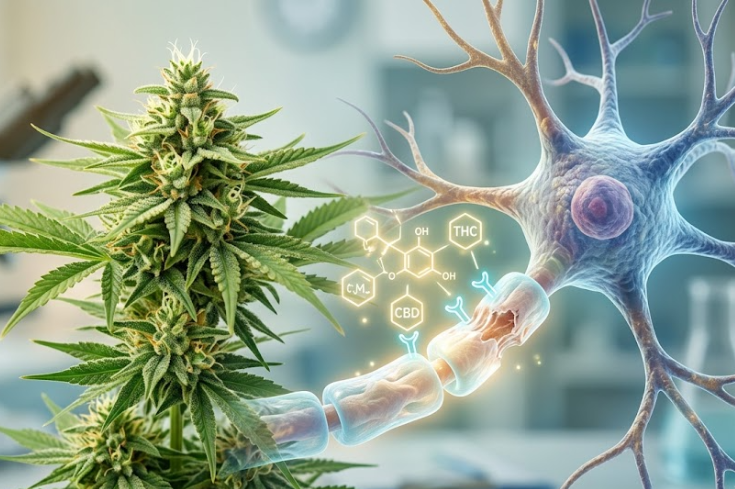
When the Nervous System Stops Feeling Predictable
You expect your body to respond the way it always has — to move when you want it to, to stay balanced, to feel steady.
But with Multiple Sclerosis (MS), that sense of predictability can slowly change. Some days feel manageable. Other days bring fatigue, muscle stiffness, nerve pain, or symptoms that seem to appear without warning. What feels minor one week may feel overwhelming the next.
MS doesn’t just affect movement. It can influence energy levels, sleep, concentration, and overall quality of life. Even with treatment, many individuals continue searching for ways to better manage daily symptoms.
Alongside standard medical care, some people begin exploring supportive therapies that may help reduce discomfort and improve function.
Medical cannabis is one option that often comes up.
To understand whether it may help, it’s important to look at how multiple sclerosis affects the nervous system — and how cannabinoids interact with pain, muscle activity, and neurological signaling.
But with Multiple Sclerosis (MS), that sense of predictability can slowly change. Some days feel manageable. Other days bring fatigue, muscle stiffness, nerve pain, or symptoms that seem to appear without warning. What feels minor one week may feel overwhelming the next.
MS doesn’t just affect movement. It can influence energy levels, sleep, concentration, and overall quality of life. Even with treatment, many individuals continue searching for ways to better manage daily symptoms.
Alongside standard medical care, some people begin exploring supportive therapies that may help reduce discomfort and improve function.
Medical cannabis is one option that often comes up.
To understand whether it may help, it’s important to look at how multiple sclerosis affects the nervous system — and how cannabinoids interact with pain, muscle activity, and neurological signaling.
Understanding Multiple Sclerosis
Multiple sclerosis is a chronic autoimmune disease that affects the central nervous system, including the brain and spinal cord.
In MS, the immune system mistakenly attacks myelin — the protective covering around nerve fibers. This disrupts communication between the brain and the rest of the body.
In MS, the immune system mistakenly attacks myelin — the protective covering around nerve fibers. This disrupts communication between the brain and the rest of the body.
- Common symptoms include:
- Muscle stiffness or spasms
- Fatigue
- Weakness or numbness
- Balance and coordination issues
- Bladder dysfunction
- Sleep disturbances
Symptoms vary widely between individuals and may fluctuate over time. Some people experience relapsing episodes, while others have more progressive symptom patterns.
Standard Medical Approaches for Multiple Sclerosis

Medical cannabis is not a cure or primary treatment for MS. Standard treatment focuses on slowing disease progression, reducing relapses, and managing symptoms.
1. Disease-Modifying Therapies (DMTs)
These medications help reduce immune system activity and slow progression in certain forms of MS.
2. Muscle Relaxants and Pain Management
Doctors may prescribe medications to help reduce muscle spasms, nerve pain, or stiffness.
3. Physical and Occupational Therapy
Therapy can help maintain mobility, strength, balance, and independence.
4. Lifestyle and Supportive Care
Sleep, stress management, exercise, and proper nutrition all play an important role in symptom management.
Cannabis, if considered, is generally used as adjunct symptom support, not as a replacement for medical treatment.
The Endocannabinoid System and MS Symptoms
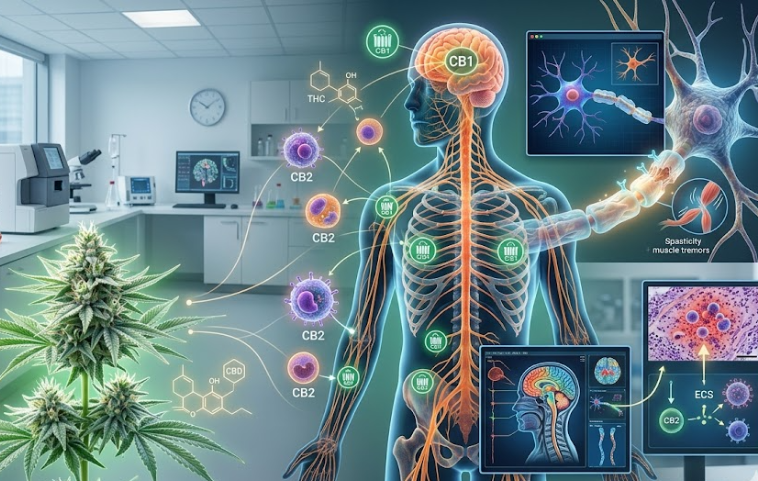
The endocannabinoid system (ECS) helps regulate:
- Pain signaling
- Muscle activity
- Inflammation
- Sleep
- Mood and stress response
Cannabinoid receptors are found throughout the nervous system, which is why researchers have explored cannabis in neurological conditions like MS.
- THC (Tetrahydrocannabinol)
- Psychoactive
- May reduce muscle spasticity and pain
- Can promote relaxation and sleep
- Higher doses may cause dizziness, anxiety, or cognitive effects
- CBD (Cannabidiol)
- Non-intoxicating
- May support relaxation and inflammation regulation
- May reduce anxiety linked to chronic illness
- Often better tolerated during daytime use
Potential Benefits of Medical Cannabis for Multiple Sclerosis
While cannabis does not stop disease progression, some individuals explore it for symptom management.
1. Muscle Spasm and Stiffness Relief
Muscle tightness and involuntary spasms are common in MS. Some patients report reduced spasticity and greater comfort with cannabinoid use.
2. Nerve Pain Support
Cannabinoids may influence pain signaling pathways, potentially helping reduce burning, tingling, or nerve-related discomfort.
3. Sleep Improvement
Pain, spasms, and discomfort can interfere with sleep. Balanced THC:CBD formulations may help some individuals rest more comfortably.
4. Stress and Mood Support
Living with a chronic neurological condition can affect emotional well-being. CBD may help support calmness and stress regulation.
5. Improved Daily Comfort
Some individuals report feeling more physically relaxed, which may help with mobility and overall quality of life.
Responses vary significantly and should be monitored carefully.

Risks and Considerations
Cannabis use in MS should be approached carefully.
1. Cognitive Effects
High-THC products may worsen concentration, memory, or coordination difficulties.
2. Fatigue or Drowsiness
Some formulations may increase tiredness or daytime sedation.
3. Balance and Mobility Concerns
Dizziness or slowed reaction time may increase fall risk.
4. Psychological Effects
High doses of THC may increase anxiety or paranoia in some individuals.
5. Dependency Risk
Long-term or frequent use may lead to cannabis use disorder in some cases.
Safer Cannabis Use Strategies

If cannabis is included in a care plan:
1. Start Low and Increase Gradually : Low doses help reduce unwanted side effects.
2. Consider Balanced THC:CBD Products : Balanced formulations may provide symptom relief with fewer psychoactive effects.
3. Avoid Smoking : Tinctures, capsules, or measured products allow more controlled dosing.
4. Track Symptom Changes
Monitor:
1. Start Low and Increase Gradually : Low doses help reduce unwanted side effects.
2. Consider Balanced THC:CBD Products : Balanced formulations may provide symptom relief with fewer psychoactive effects.
3. Avoid Smoking : Tinctures, capsules, or measured products allow more controlled dosing.
4. Track Symptom Changes
Monitor:
- Muscle spasms
- Pain levels
- Sleep quality
- Fatigue
- Side effects
Consult a healthcare provider if symptoms worsen.
Cannabis and MS Medications
Cannabinoids may interact with medications used for:
- Muscle spasticity
- Pain management
- Sleep support
- Mood regulation
CBD may affect liver enzymes involved in drug metabolism. Always discuss cannabis use with a qualified healthcare provider.


FAQs
1. Can medical cannabis cure multiple sclerosis?
No. Cannabis may help manage symptoms but does not cure or stop MS progression.
2. Can cannabis help with MS muscle spasms?
Some individuals report reduced stiffness and spasticity, though responses vary.
3. Is CBD or THC better for MS?
CBD may be better tolerated during the day, while THC may help more with pain and muscle spasms.
4. Can cannabis help nerve pain in MS?
Some patients report relief from burning or tingling nerve discomfort.
5. Is medical cannabis approved for MS symptoms?
Certain cannabinoid-based medications are approved in some countries for MS-related spasticity, though regulations vary.
6. Can cannabis improve sleep in MS patients?
Some individuals report improved sleep due to reduced pain and muscle discomfort.
7. Can cannabis worsen fatigue?
Yes. Some products may increase drowsiness or low energy.
8. Is smoking cannabis recommended for MS?
Non-smoking methods are generally preferred for more controlled dosing.
9. Can cannabis interact with MS medications?
Yes. Drug interactions are possible and should be discussed with a provider.
10. Should I talk to a doctor before trying cannabis for MS?
Yes. Professional guidance is essential for safe and appropriate use.
Finding the Right Path to Symptom Relief

Multiple sclerosis affects every individual differently, which means symptom management often requires a personalized approach.
Medical cannabis may provide supportive relief for issues like muscle spasms, pain, sleep disruption, or stress in some individuals. However, it works best when used thoughtfully — alongside medical treatment, physical therapy, and professional guidance.
The goal is not simply temporary relief. It’s improving daily comfort, maintaining independence, and creating a better quality of life over time.
With the right support and informed decisions, many individuals are able to move from constantly managing symptoms toward living with greater stability and confidence.
Medical cannabis may provide supportive relief for issues like muscle spasms, pain, sleep disruption, or stress in some individuals. However, it works best when used thoughtfully — alongside medical treatment, physical therapy, and professional guidance.
The goal is not simply temporary relief. It’s improving daily comfort, maintaining independence, and creating a better quality of life over time.
With the right support and informed decisions, many individuals are able to move from constantly managing symptoms toward living with greater stability and confidence.
Ready to find the
perfect strain for your needs?
Navigating the complexities of medical marijuana laws can be tricky, but with the right information, you can protect your privacy and your rights as a medical cannabis cardholder. At Marijuana Specialist Near Me, we make the process of obtaining a medical marijuana card straightforward, with online consultations and guidance through the legal landscape, ensuring you’re well informed about how your card can be used without compromising your privacy.
