
When Symptoms Linger Longer Than Expected
Most people expect an infection to improve after treatment.
But for some individuals with Lyme disease, symptoms can continue long after the initial illness fades.
It may start with fatigue that doesn’t fully go away. Then come joint aches, muscle pain, brain fog, headaches, nerve discomfort, or sleep problems that begin interfering with daily life. Some days feel manageable. Others feel physically draining without a clear explanation.
Lyme disease doesn’t just affect the body during the early stages of infection. For some individuals, lingering symptoms can impact energy levels, concentration, mood, mobility, and overall quality of life for months or longer.
Standard medical treatment remains essential, especially during active infection. Alongside this, some individuals begin exploring supportive approaches that may help them better manage ongoing symptoms and discomfort.
Medical cannabis is one option that continues gaining attention for symptom support in Lyme disease.
To understand whether it may help, it’s important to first understand how Lyme disease affects the body — and how cannabinoids may interact with pain, inflammation, sleep, and stress-related symptoms.
Lyme disease doesn’t just affect the body during the early stages of infection. For some individuals, lingering symptoms can impact energy levels, concentration, mood, mobility, and overall quality of life for months or longer.
Standard medical treatment remains essential, especially during active infection. Alongside this, some individuals begin exploring supportive approaches that may help them better manage ongoing symptoms and discomfort.
Medical cannabis is one option that continues gaining attention for symptom support in Lyme disease.
To understand whether it may help, it’s important to first understand how Lyme disease affects the body — and how cannabinoids may interact with pain, inflammation, sleep, and stress-related symptoms.
Understanding Lyme Disease
Lyme disease is a bacterial infection caused by Borrelia burgdorferi, most commonly transmitted through tick bites.
- Common symptoms include:
- Fever or chills
- Fatigue
- Headaches
- Muscle and joint aches
- Swollen lymph nodes
- A characteristic “bullseye” rash in some cases
- When diagnosed early, Lyme disease is typically treated with antibiotics. However, some individuals continue experiencing lingering symptoms even after treatment.
- Common symptoms include:
- Joint pain or stiffness
- Nerve pain or tingling
- Fatigue
- Brain fog or concentration issues
- Sleep disruption
- Anxiety or mood changes
- This ongoing symptom pattern is sometimes referred to as Post-Treatment Lyme Disease Syndrome (PTLDS), though research into its causes remains ongoing.
Standard Medical Approaches for Lyme Disease

Medical cannabis is not a cure or primary treatment for Lyme disease. Antibiotic therapy remains the standard medical treatment for active bacterial infection.
1. Antibiotic Treatment : Early diagnosis and antibiotics are critical for reducing complications and treating infection effectively.
2. Pain and Symptom Management : Some individuals may require additional support for joint pain, headaches, or nerve discomfort during recovery.
3. Physical Rehabilitation and Rest : Fatigue and muscle weakness may require gradual recovery strategies, physical therapy, and pacing.
4. Sleep and Mental Health Support : Chronic symptoms can affect emotional well-being, making stress management and mental health support important for some patients.
Cannabis, if considered, should only be viewed as adjunct symptom support alongside proper medical treatment, not as a replacement for antibiotics or medical care.
Diverticulitis affects more than digestion alone. Flare-ups can feel unpredictable, and recovery may take time even after antibiotics or dietary changes. Some individuals experience repeated episodes that create ongoing anxiety around food choices, bowel habits, or digestive discomfort. The condition may involve several overlapping factors, including:
1. Antibiotic Treatment : Early diagnosis and antibiotics are critical for reducing complications and treating infection effectively.
2. Pain and Symptom Management : Some individuals may require additional support for joint pain, headaches, or nerve discomfort during recovery.
3. Physical Rehabilitation and Rest : Fatigue and muscle weakness may require gradual recovery strategies, physical therapy, and pacing.
4. Sleep and Mental Health Support : Chronic symptoms can affect emotional well-being, making stress management and mental health support important for some patients.
Cannabis, if considered, should only be viewed as adjunct symptom support alongside proper medical treatment, not as a replacement for antibiotics or medical care.
Diverticulitis affects more than digestion alone. Flare-ups can feel unpredictable, and recovery may take time even after antibiotics or dietary changes. Some individuals experience repeated episodes that create ongoing anxiety around food choices, bowel habits, or digestive discomfort. The condition may involve several overlapping factors, including:
How Cannabis Interacts With the Body
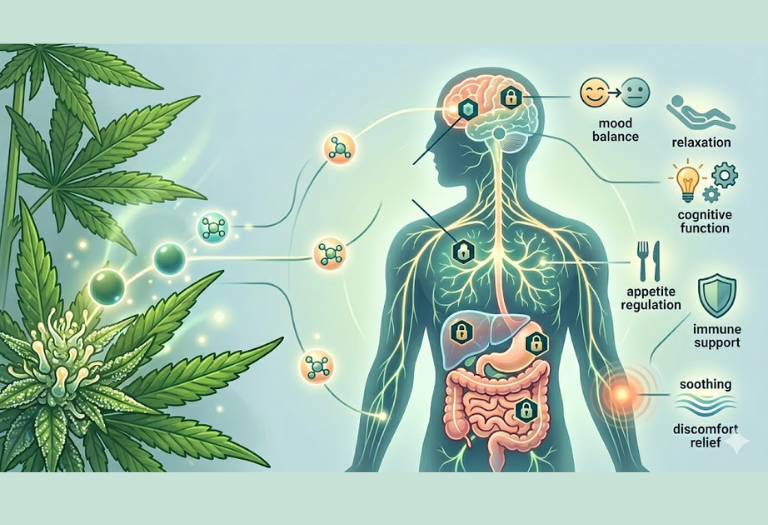
Cannabis interacts with the body through the endocannabinoid system (ECS) — a network involved in regulating pain, inflammation, sleep, stress response, and nervous system signaling.
Because Lyme disease symptoms may involve inflammation, nerve discomfort, fatigue, and stress-related effects, researchers continue exploring whether cannabinoids may help support symptom management in some individuals.
THC (Tetrahydrocannabinol)
- Psychoactive compound
- May help reduce pain perception
- Can promote relaxation and appetite
- May support sleep in some individuals
- Higher doses may cause dizziness or anxiety
CBD (Cannabidiol)
- Non-intoxicating
- May support relaxation and stress regulation
- Has potential anti-inflammatory properties
- Often preferred for daytime symptom support
Responses vary significantly between individuals depending on symptoms, dosage, and product formulation.
Potential Benefits of Medical Cannabis for Lyme Disease
While cannabis does not eliminate Lyme bacteria or cure Lyme disease, some individuals explore it to help manage lingering symptoms.
1. Joint and Muscle Pain Relief
Joint discomfort and body aches can interfere with movement and daily comfort. Cannabinoids may influence pain pathways and help some individuals feel more physically comfortable.
2. Nerve Pain Support
Some Lyme patients experience tingling, burning sensations, or nerve-related discomfort. Cannabis may help support neuropathic pain management in certain cases.
3. Sleep Quality Improvement
Pain, stress, and fatigue can interfere with restorative sleep. Balanced cannabinoid formulations may help some individuals rest more comfortably.
4. Stress and Emotional Support
Chronic symptoms can become emotionally exhausting. CBD may help support relaxation and stress regulation in some individuals.
5. Appetite and Recovery Support
Fatigue and ongoing discomfort may affect appetite and energy levels. THC may help stimulate appetite in certain patients.
Current evidence remains limited, and symptom responses vary widely between individuals.

Potential Benefits of Medical Cannabis for Diverticulitis
While cannabis does not treat infection or repair damage within the colon, some individuals explore it for supportive symptom relief.
1. Abdominal Pain and Cramping Relief
Cannabinoids may influence pain-signaling pathways within the nervous system, which could help reduce abdominal discomfort during or after flare-ups.
2. Nausea Support
Digestive inflammation often affects appetite and stomach comfort. Some individuals report reduced nausea with carefully monitored cannabis use.
3. Appetite Improvement
Pain and digestive distress can make eating difficult during flare-ups. THC may help stimulate appetite and support nutritional intake in some cases.
4. Stress and Gut-Brain Support
Stress may worsen digestive symptoms through the gut-brain axis. CBD may help support relaxation and emotional regulation, which could indirectly improve symptom experience.
5. Sleep Quality Support
Digestive discomfort often interferes with sleep. Balanced THC:CBD formulations may help some individuals rest more comfortably during recovery periods.
Current evidence remains limited, and responses can vary widely between patients.
What Research Says About Cannabis and Lyme Disease
Research specifically focused on cannabis and Lyme disease remains limited. Most available studies involving cannabinoids focus on symptom categories such as:
- Chronic pain
- Neuropathic pain
- Sleep disturbance
- Stress and anxiety
- Inflammation pathways
Some individuals with chronic Lyme-related symptoms report improvements in pain, sleep, or overall comfort with medical cannabis use. However, there is currently no scientific evidence showing cannabis can cure Lyme disease or eliminate bacterial infection.
Cannabis is best viewed as a possible supportive tool for symptom management — not a substitute for antibiotics or medical treatment.
Cannabis is best viewed as a possible supportive tool for symptom management — not a substitute for antibiotics or medical treatment.

Why More Research Is Still Needed
Lyme disease symptoms vary widely between individuals, which makes research more difficult to standardize.
Researchers continue studying:
- Long-term symptom patterns after Lyme treatment
- Effects of cannabinoids on nerve pain and inflammation
- Optimal THC:CBD ratios for chronic symptom support
- Drug interactions with Lyme-related medications
- Long-term safety of cannabis use in chronic illness
More large-scale clinical studies are needed before standardized recommendations can be fully established.
Risks and Considerations
Cannabis use in Lyme disease should be approached carefully.
1. Cognitive Effects : High-THC products may worsen brain fog, concentration issues, or dizziness in some individuals.
2. Dependency Risk : Long-term or frequent use may increase the risk of cannabis use disorder in certain patients.
3. Fatigue or Sedation : Some formulations may increase tiredness or low energy levels.
4. Symptom Masking : Pain relief may temporarily reduce discomfort without addressing underlying medical issues that still require evaluation.
5. Medication Interactions : Cannabinoids may interact with medications processed through liver enzyme pathways.
1. Cognitive Effects : High-THC products may worsen brain fog, concentration issues, or dizziness in some individuals.
2. Dependency Risk : Long-term or frequent use may increase the risk of cannabis use disorder in certain patients.
3. Fatigue or Sedation : Some formulations may increase tiredness or low energy levels.
4. Symptom Masking : Pain relief may temporarily reduce discomfort without addressing underlying medical issues that still require evaluation.
5. Medication Interactions : Cannabinoids may interact with medications processed through liver enzyme pathways.

Safer Cannabis Use Strategies for Lyme Disease Patients
If medical cannabis is included as part of a symptom management plan:
1. Start With Low Doses : Gradual dosing may help reduce unwanted side effects.
2. Consider Balanced or CBD-Dominant Products : These may provide symptom support with fewer psychoactive effects.
3. Use Controlled Delivery Methods : Tinctures, capsules, or measured edibles may provide more consistent dosing.
4. Monitor Symptom Changes Carefully : Track:
1. Start With Low Doses : Gradual dosing may help reduce unwanted side effects.
2. Consider Balanced or CBD-Dominant Products : These may provide symptom support with fewer psychoactive effects.
3. Use Controlled Delivery Methods : Tinctures, capsules, or measured edibles may provide more consistent dosing.
4. Monitor Symptom Changes Carefully : Track:
- Pain levels
- Sleep quality
- Fatigue
- Mood changes
- Cognitive symptoms
Professional medical guidance remains important throughout the process.
Cannabis and Lyme Disease Medications
Cannabinoids may interact with certain medications used for pain, sleep, anxiety, or symptom management.
CBD, in particular, may affect liver enzymes involved in medication metabolism. Always discuss cannabis use with a healthcare provider before combining treatments.
CBD, in particular, may affect liver enzymes involved in medication metabolism. Always discuss cannabis use with a healthcare provider before combining treatments.

FAQs
Can medical cannabis cure Lyme disease?
No. Medical cannabis does not cure Lyme disease or eliminate bacterial infection.
Can cannabis help with Lyme-related pain?
Some individuals report relief from joint pain, muscle aches, or nerve discomfort, though responses vary.
Is CBD or THC better for Lyme disease symptoms?
CBD may help more with stress and daytime support, while THC may help more with pain, appetite, or sleep.
Can cannabis help with Lyme-related fatigue?
Some individuals report improved sleep or comfort, though certain products may also increase drowsiness.
Can cannabis replace antibiotics for Lyme disease?
No. Antibiotics remain the primary treatment for active Lyme infection.
Can cannabis help nerve pain from Lyme disease?
Some individuals report reduced neuropathic discomfort, though evidence remains limited.
Is smoking cannabis recommended for digestive disorders?
Non-smoking methods are generally preferred for more controlled dosing and reduced respiratory irritation.
Are there risks of medication interactions?
Yes. Cannabinoids may interact with certain medications through liver enzyme pathways.
Can cannabis help sleep problems linked to Lyme disease?
Some individuals report improved sleep quality with balanced cannabinoid use.
Should I consult a healthcare provider before using cannabis for Lyme symptoms?
Yes. Professional medical guidance is strongly recommended.
When to Seek Immediate Medical Care

Seek urgent medical care if you experience:
- Severe neurological symptoms
- Chest pain or irregular heartbeat
- Sudden weakness or numbness
- Persistent high fever
- Severe joint swelling
- Difficulty breathing
These symptoms may indicate serious complications requiring urgent evaluation.
Finding the Right Path to Symptom Relief
Lingering Lyme disease symptoms can make daily life feel physically and emotionally exhausting — especially when pain, fatigue, sleep disruption, or brain fog begin affecting normal routines.
For some individuals, medical cannabis may offer supportive relief for discomfort, stress, appetite loss, or sleep-related symptoms when used alongside proper medical care and guidance.
At MSNM, patients connect with licensed medical marijuana providers who help guide personalized treatment approaches based on individual symptoms, health history, and wellness goals.
Because the goal isn’t replacing proper Lyme disease treatment — it’s helping individuals feel more comfortable, more supported, and more capable of regaining stability in daily life.
And sometimes, the right guidance can help transform symptom management from something overwhelming into something that feels more balanced, manageable, and hopeful again.
For some individuals, medical cannabis may offer supportive relief for discomfort, stress, appetite loss, or sleep-related symptoms when used alongside proper medical care and guidance.
At MSNM, patients connect with licensed medical marijuana providers who help guide personalized treatment approaches based on individual symptoms, health history, and wellness goals.
Because the goal isn’t replacing proper Lyme disease treatment — it’s helping individuals feel more comfortable, more supported, and more capable of regaining stability in daily life.
And sometimes, the right guidance can help transform symptom management from something overwhelming into something that feels more balanced, manageable, and hopeful again.
Ready to find the
perfect strain for your needs?
Navigating the complexities of medical marijuana laws can be tricky, but with the right information, you can protect your privacy and your rights as a medical cannabis cardholder. At Marijuana Specialist Near Me, we make the process of obtaining a medical marijuana card straightforward, with online consultations and guidance through the legal landscape, ensuring you’re well informed about how your card can be used without compromising your privacy.
