

When Digestive Symptoms Start Running the Day
IBS can make ordinary plans surprisingly complicated.
A meal may bring bloating. A stressful morning may trigger diarrhea. Constipation may last for days, followed by a sudden change in bowel habits. Over time, people may begin planning their schedules around bathrooms, avoiding certain foods, or worrying about when symptoms will return.
IBS is more than an occasional upset stomach. It is a disorder of gut-brain interaction, involving communication between the digestive system and nervous system. Symptoms can come and go, but their effect on daily life can be significant. (NIDDK)
This is why some people consider supportive options such as medical cannabis.
But where does cannabis actually fit—and could it make gastrointestinal symptoms worse?
What Is Irritable Bowel Syndrome?
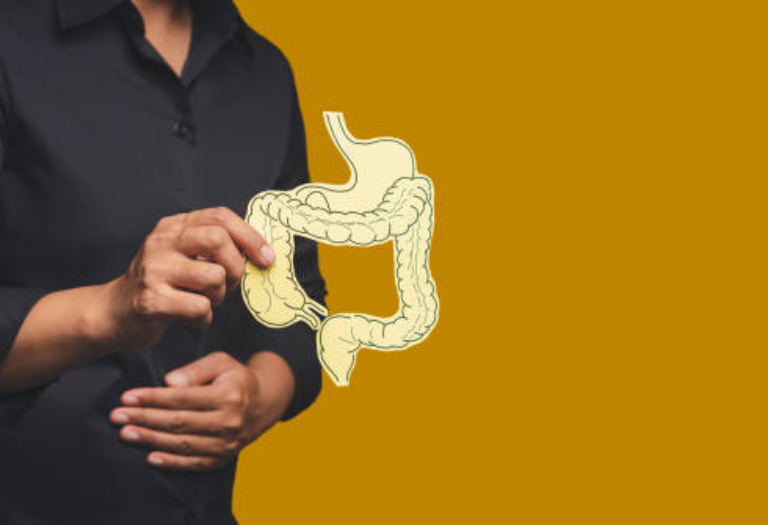
Irritable Bowel Syndrome (IBS) is a chronic gastrointestinal disorder involving recurrent abdominal pain and changes in bowel habits without visible damage to the digestive tract. (NIDDK)
- The three main patterns include:
- IBS-C: IBS with constipation
- IBS-D: IBS with diarrhea
- IBS-M: IBS with mixed constipation and diarrhea
- Common symptoms include:
- Abdominal pain or cramping
- Bloating
- Constipation
- Diarrhea
- Changes in stool appearance
- Feeling that a bowel movement is incomplete
- IBS can overlap with anxiety, depression, chronic pain conditions, and other digestive disorders, making individualized assessment important. (NIDDK)
Standard Medical Approaches for IBS


Medical cannabis is not a primary treatment for IBS. Treatment depends on the person’s symptoms and IBS subtype.
A healthcare professional may recommend gradual increases in soluble fiber or a limited trial of a low-FODMAP diet, which restricts certain carbohydrates that can be difficult to digest. (NIDDK)
Depending on IBS type, treatment may include medications for constipation or diarrhea, antispasmodics for abdominal discomfort, or other prescription therapies. (NIDDK)
Regular physical activity, adequate sleep, hydration, and stress management may help reduce symptom burden. (NIDDK)
CBT, relaxation training, and gut-directed hypnotherapy may help because IBS involves communication between the brain and digestive system. (NIDDK)
Cannabis, when considered, should complement—not replace—appropriate IBS care.
How Cannabis May Interact With the Gut
Cannabinoids such as THC and CBD interact with the body’s endocannabinoid system, which is involved in gastrointestinal functions including gut sensation, motility, nausea, and other digestive processes. (PubMed)
THC is psychoactive and may alter pain perception, appetite, and nausea. It can also cause dizziness, sedation, anxiety, or impaired concentration.
CBD is non-intoxicating and is being studied for its effects on pain, inflammation, anxiety, and gastrointestinal function. However, promising biological mechanisms do not automatically mean proven clinical benefits for IBS.
Potential Benefits of Medical Cannabis for IBS
Research specifically examining cannabis as an IBS treatment is still limited. Earlier reviews found a lack of adequate randomized trials for IBS, meaning claims of proven effectiveness should be treated cautiously. (PubMed)
Still, some patients may consider cannabis for symptom-related support.
Cannabinoids may influence pain signaling and visceral sensitivity. This could potentially help some individuals experience less abdominal discomfort.
Stress can intensify IBS symptoms. Cannabis may produce calming effects for some individuals, although THC can increase anxiety in others.
Persistent abdominal discomfort can interfere with sleep. Some people report improved sleep with cannabis, but sedation and next-day impairment are possible.
Cannabinoids can affect nausea and appetite. These effects may be useful for some patients but are not necessarily beneficial for every IBS pattern.
The potential value is symptom support—not treating IBS itself.
Who Might Consider Medical Cannabis for IBS?
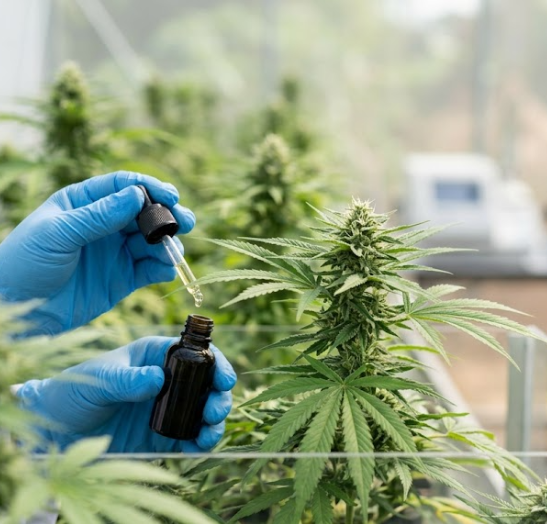
Medical cannabis may be worth discussing with a qualified provider when IBS symptoms continue to affect daily life despite appropriate conventional management.
It may be considered more specifically when a person is dealing with:
- Persistent abdominal discomfort or cramping
- Sleep disruption caused by digestive symptoms
- Stress that appears to worsen symptom severity
- Appetite changes associated with ongoing gastrointestinal discomfort
- Chronic symptoms that remain difficult to manage despite dietary and lifestyle adjustments
However, the IBS subtype matters. Someone with IBS-C may need to be particularly cautious if a cannabis product appears to worsen constipation, while someone with IBS-D should monitor whether it changes diarrhea, urgency, or abdominal cramping.
A provider should also consider other health conditions, current medications, previous cannabis experience, and the person’s sensitivity to THC.
The goal is not simply to introduce cannabis into an existing treatment plan. It is to determine whether its potential symptom benefits outweigh its risks for that particular person.
A Practical Decision Framework
Before considering medical cannabis, ask:
Is the IBS diagnosis established?
Are conventional treatments being used appropriately?
Which symptoms are actually being targeted?
Could cannabis worsen bowel function or anxiety?
Are there medication interactions to consider?
These questions can help turn a general interest in cannabis into a more informed healthcare decision.
What Research Says About Cannabis and IBS
The evidence remains one of the biggest limitations.
Research has identified an important role for the endocannabinoid system in gastrointestinal function, but clinical evidence supporting cannabis as an effective IBS treatment is insufficient. (PubMed)
More recent reviews also highlight gastrointestinal side effects associated with cannabis, including nausea, vomiting, abdominal pain, and diarrhea. (PubMed)
This creates an important distinction:
A treatment that helps one person’s abdominal discomfort could worsen gastrointestinal symptoms in another.
More IBS-specific clinical trials are needed to determine which cannabinoids, doses, formulations, and patient profiles—if any—are most likely to benefit.
Risks and Considerations
Cannabis can affect gastrointestinal movement, potentially worsening constipation or other bowel symptoms in some individuals.
Cannabis use has been associated with nausea, vomiting, abdominal pain, and diarrhea. (PubMed)
Long-term heavy cannabis use can cause recurrent severe nausea and vomiting known as cannabinoid hyperemesis syndrome (CHS). (PubMed)
Higher-THC products can cause anxiety, dizziness, impaired concentration, or altered judgment.
Cannabinoids can interact with medications through liver enzyme pathways, making medication review important before use. (PubMed)
Safer Cannabis Use Strategies
If a licensed provider determines medical cannabis may be appropriate:
- Start with a low dose and adjust cautiously.
- Track bowel patterns before and after use.
- Monitor pain, bloating, sleep, and anxiety.
- Avoid assuming more THC means better relief.
- Review current medications with your healthcare provider.
- Stop and seek medical advice if gastrointestinal symptoms significantly worsen.
Individual response matters more than a one-size-fits-all cannabis regimen.


FAQs
No. Cannabis has not been shown to cure IBS.
It may help some individuals with pain perception, but IBS-specific evidence remains limited.
There is not enough evidence to establish one as universally better. CBD avoids intoxication, while THC carries greater psychoactive risks.
Some people may experience calming effects, but THC can worsen anxiety in certain individuals.
Not reliably. Cannabinoids can affect gut motility, and the effect may differ between individuals.
Yes. It may worsen constipation, diarrhea, abdominal discomfort, anxiety, or other symptoms in some people.
It may help some people sleep, but sedation and next-day impairment are possible.
No. Prescribed IBS treatments should not be stopped or changed without medical guidance.
No cannabis-based medication is FDA-approved specifically to treat IBS.
Yes. A qualified provider can review your symptoms, medications, medical history, and whether cannabis is an appropriate option.
When to Seek Medical Attention

IBS should not automatically be assumed when symptoms include warning signs such as:
- Rectal bleeding
- Bloody or black stools
- Unexplained weight loss
- Anemia
- Persistent or severe symptoms
- A significant change in symptoms
These features may indicate another gastrointestinal condition and warrant medical evaluation. (NIDDK)
Finding the Right Path to Digestive Relief
IBS can make food, schedules, sleep, and even simple plans feel uncertain.
Medical cannabis may offer supportive symptom relief for some people, but it is not a cure and not a substitute for proper IBS management.
The right question isn’t simply, “Will cannabis work?”
It’s “Could it fit safely into my care plan?”
At MSNM, licensed medical marijuana providers can review your symptoms, medical history, current medications, and goals to help you determine whether medical cannabis is an appropriate option under your state’s requirements.
Sometimes better symptom control starts with finding the right path—not just another product. And with the right guidance, that path can lead back to more comfortable days and fewer moments organized around your symptoms.
