
When the Gut Never Truly Feels Calm
A meal shouldn’t feel like a gamble.
But for someone living with Inflammatory Bowel Disease (IBD), even eating can come with quiet calculations — Will this trigger pain? Will I need a bathroom urgently? Will I feel exhausted afterward?
IBD isn’t just about digestion. It can affect energy levels, confidence, daily planning, and long-term health decisions. Managing flare-ups often requires medication, lifestyle changes, and ongoing medical supervision. As conversations around supportive therapies expand, many patients are asking a careful question:
Could medical cannabis help ease IBD symptoms — or could it interfere with proper disease management?
IBD isn’t just about digestion. It can affect energy levels, confidence, daily planning, and long-term health decisions. Managing flare-ups often requires medication, lifestyle changes, and ongoing medical supervision. As conversations around supportive therapies expand, many patients are asking a careful question:
Could medical cannabis help ease IBD symptoms — or could it interfere with proper disease management?
Understanding Inflammatory Bowel Disease
Inflammatory Bowel Disease is a group of chronic autoimmune conditions that cause persistent inflammation in the gastrointestinal tract.
- The two primary forms are:
- Crohn’s disease: Can affect any part of the digestive tract, often involving deeper tissue layers
- Ulcerative colitis: Primarily affects the colon and rectum, involving continuous inflammation of the intestinal lining
- Common symptoms include:
- Abdominal pain or cramping
- Chronic diarrhea (sometimes with blood)
- Urgent bowel movements
- Fatigue and weight loss
- Reduced appetite and nutritional deficiencies
- IBD is not just a digestive disorder — it reflects immune system dysregulation involving:
- Inflammatory cytokine signaling
- Gut microbiome imbalance
- Intestinal barrier dysfunction
- Stress-response pathways
Because of this complex biology, treatment decisions must be carefully individualized.
Conventional Treatment Options for IBD
IBD is a serious chronic condition that can lead to complications such as strictures, malnutrition, hospitalization, or surgery if not properly managed.
Medical cannabis is not considered a first-line treatment. Standard therapies with strong clinical evidence include:
Medical cannabis is not considered a first-line treatment. Standard therapies with strong clinical evidence include:
1. Anti-Inflammatory Medications
Aminosalicylates (such as mesalamine) are often used in mild to moderate disease to reduce intestinal inflammation.
2. Immunomodulators and Biologic Therapies
Drugs like azathioprine, infliximab, or adalimumab help regulate immune responses and maintain remission.
3. Corticosteroids (Short-Term Use)
Used during acute flare-ups to quickly control inflammation.
4. Nutritional and Lifestyle Management
Dietary therapy, supplementation, hydration, and stress regulation play important roles in long-term disease control.
If symptoms worsen suddenly or complications arise, urgent medical evaluation is essential.
Cannabis, when considered, should be viewed as complementary symptom support — not disease-modifying therapy.
The Endocannabinoid System and Gut Inflammation
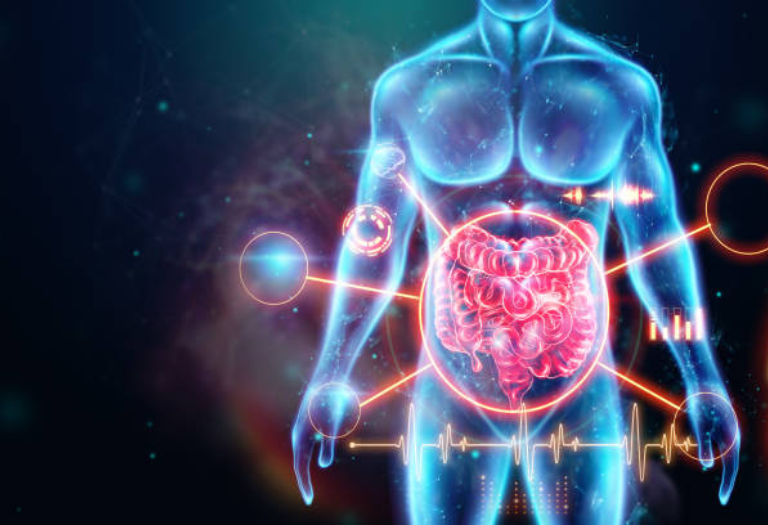
Medical cannabis interacts with the endocannabinoid system (ECS) — a regulatory network involved in maintaining physiological balance.
In the gastrointestinal tract, the ECS helps regulate:
In the gastrointestinal tract, the ECS helps regulate:
- Pain signaling
- Intestinal motility
- Immune activity
- Appetite
- Stress responses
- Gut permeability
THC (Tetrahydrocannabinol)
- Psychoactive compound
- Can reduce pain perception
- May stimulate appetite
- May slow gut motility in some individuals
- Higher doses can cause anxiety, dizziness, or cognitive impairment
CBD (Cannabidiol)
- Non-intoxicating
- May have anti-inflammatory and anxiolytic properties
- May support emotional regulation and sleep
- Generally better tolerated during daytime function
Understanding how these compounds affect IBD specifically remains an active area of research.
Potential Benefits of Medical Cannabis for IBM
While cannabis does not appear to cure or directly control intestinal inflammation, some patients explore it for symptom-related relief.
1. Abdominal Pain Reduction
Chronic gut inflammation often leads to visceral hypersensitivity.
THC’s effects on pain pathways may help some individuals experience reduced discomfort during flares or active disease phases.
2. Appetite Support
Loss of appetite is common in IBD due to nausea, pain, or fear of triggering symptoms.
Cannabis — particularly THC-containing formulations — may help improve appetite and caloric intake.
3. Sleep Improvement
Fatigue and poor sleep are major concerns in IBD.
Balanced cannabinoid formulations may help some patients fall asleep more easily and maintain more stable sleep cycles.
4. Stress and Anxiety Regulation
Psychological stress can worsen IBD symptoms.
CBD’s interaction with serotonin signaling may support calmer mood states, which can indirectly improve symptom perception and coping.
5. Nausea and Gastrointestinal Discomfort
Cannabinoids have established anti-nausea properties, which may benefit patients experiencing medication side effects or flare-related digestive distress.
It’s important to note: Symptom relief does not necessarily mean reduced intestinal inflammation.

Risks and Considerations
Cannabis use in chronic gastrointestinal disease requires thoughtful evaluation.
1. Masking Disease Activity
Pain reduction may create a false sense of improvement while inflammation continues — potentially delaying necessary treatment adjustments.
2. High-THC Side Effects
These may include:
- Anxiety or panic
- Dizziness or impaired concentration
- Increased heart rate
- Sedation
3. Dependency Potential
Patients managing chronic illness may be more vulnerable to relying on cannabis as a coping mechanism.
4. Gastrointestinal Motility Changes
Cannabis can alter gut motility in unpredictable ways, sometimes worsening bloating or constipation.
5. Mental Health Considerations
High-THC products may exacerbate symptoms in individuals with:
- Bipolar disorder
- Psychotic disorders
- Severe anxiety conditions
Screening by a healthcare professional is essential before use.
Safer Cannabis Use Strategies for IBD Patients
If medical cannabis is approved as part of a broader care plan, harm-reduction principles can help improve safety.
1. Consider CBD-Dominant Formulations
These may provide symptom support with fewer psychoactive effects.
2. Start Low, Go Slow
Microdosing allows careful observation of how symptoms respond.
3. Avoid Smoking
Tinctures, capsules, or controlled-dose edibles offer more predictable dosing and reduce respiratory exposure.
4. Monitor Disease Patterns
Track:
- Frequency of flare-ups
- Abdominal pain severity
- Stool changes
- Appetite levels
- Sleep quality
Cannabis and IBD Medications: Possible Interactions
Cannabinoids are metabolized through liver enzyme pathways that also process many common IBD medications.
Potential interaction concerns include:
Potential interaction concerns include:
- Immunosuppressants
- Biologic therapies
- Corticosteroids
- Antidepressants or anti-anxiety medications

FAQs
1. Can medical cannabis cure IBD?
No. IBD is a chronic autoimmune condition that requires ongoing medical management. Cannabis may help with symptom relief but is not curative.
2. Does cannabis reduce intestinal inflammation?
Current research is limited. Some patients report improved symptoms, but this does not always mean underlying inflammation is controlled.
3. Is CBD safer than THC for IBD?
CBD is generally better tolerated and less likely to cause anxiety, cognitive impairment, or intoxication compared to THC.
4. Can cannabis help during an IBD flare?
Some individuals report relief from abdominal pain, nausea, poor appetite, or sleep disruption. However, it should never replace prescribed flare management.
5. Is medical cannabis FDA-approved for IBD?
No. There are currently no cannabis-based medications specifically approved by the FDA for treating IBD.
6. Can cannabis improve appetite in IBD patients?
THC-containing products may help stimulate appetite, which can be beneficial for patients experiencing weight loss or nutritional challenges.
7. Can cannabis affect bowel movements?
Yes. Cannabis may slow or alter gut motility in some individuals, which can either help or worsen symptoms depending on the person.
8. Are there risks of dependency with medical cannabis?
Yes. Regular or high-dose use may lead to cannabis use disorder in some individuals, particularly if used as a coping strategy for chronic illness.
9. Can cannabis interact with IBD medications?
Cannabinoids may affect liver enzymes that metabolize certain immunosuppressants, biologics, or steroids. Medical supervision is important.
10. Should I talk to my doctor before trying medical cannabis for IBD?
Yes. A healthcare provider can evaluate disease severity, medication interactions, and whether cannabis is appropriate as part of a broader treatment plan.
A Balanced Clinical Perspective

Living with IBD often means navigating uncertainty — balancing symptom relief with long-term disease control.
Medical cannabis may help some patients manage pain, stress, sleep disruption, or appetite challenges. However, responses vary widely, and in some cases cannabis may complicate symptom tracking or introduce new risks.
The most effective IBD management strategies still rely on:
Medical cannabis may help some patients manage pain, stress, sleep disruption, or appetite challenges. However, responses vary widely, and in some cases cannabis may complicate symptom tracking or introduce new risks.
The most effective IBD management strategies still rely on:
- Evidence-based medications
- Regular monitoring
- Nutritional support
- Stress regulation
- Ongoing medical guidance

When to Seek Immediate Medical Care
Urgent evaluation is necessary if you experience:
- Severe abdominal pain
- Persistent vomiting
- High fever
- Bloody diarrhea that worsens
- Signs of dehydration or rapid weight loss
Choosing Stability Over Short-Term Relief
IBD is a long-term journey. Quick fixes rarely create lasting remission.
If medical cannabis becomes part of your symptom-support plan, it should be approached thoughtfully — with legal compliance, professional oversight, and careful symptom tracking.
Because when managing chronic inflammation, precision and consistency matter more than temporary comfort.
Because when managing chronic inflammation, precision and consistency matter more than temporary comfort.
Ready to find the
perfect strain for your needs?
Navigating the complexities of medical marijuana laws can be tricky, but with the right information, you can protect your privacy and your rights as a medical cannabis cardholder. At Marijuana Specialist Near Me, we make the process of obtaining a medical marijuana card straightforward, with online consultations and guidance through the legal landscape, ensuring you’re well informed about how your card can be used without compromising your privacy.
