
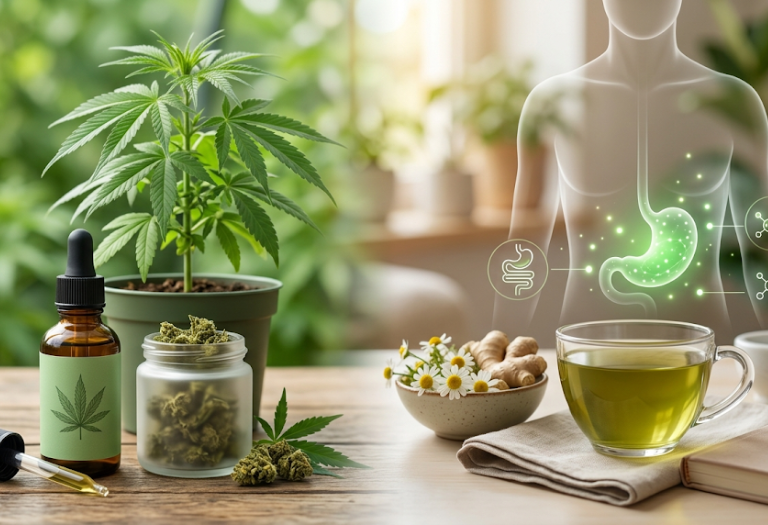
When Your Stomach Never Feels Settled
You expect your stomach to handle meals without much thought.
But with gastritis, that ease can disappear.
It may begin as mild discomfort — a burning sensation, slight nausea, or heaviness after eating. Over time, it can turn into persistent irritation, unpredictable pain, or a constant awareness of your stomach.
Some days feel manageable. Other days, even simple meals feel uncomfortable. The symptoms come and go, but they don’t fully settle. Gastritis doesn’t just affect digestion. It can influence appetite, energy levels, sleep, and daily comfort. Even when the cause is identified and treated, symptom relief may take time. Medical care, dietary adjustments, and lifestyle changes remain essential. Alongside this, some individuals begin exploring additional ways to manage discomfort.
Medical cannabis is one option that often comes up. To understand whether it may help, it’s important to look at how gastritis affects the body — and how cannabinoids interact with inflammation, nausea, and gut function.
Some days feel manageable. Other days, even simple meals feel uncomfortable. The symptoms come and go, but they don’t fully settle. Gastritis doesn’t just affect digestion. It can influence appetite, energy levels, sleep, and daily comfort. Even when the cause is identified and treated, symptom relief may take time. Medical care, dietary adjustments, and lifestyle changes remain essential. Alongside this, some individuals begin exploring additional ways to manage discomfort.
Medical cannabis is one option that often comes up. To understand whether it may help, it’s important to look at how gastritis affects the body — and how cannabinoids interact with inflammation, nausea, and gut function.
Understanding Gastritis
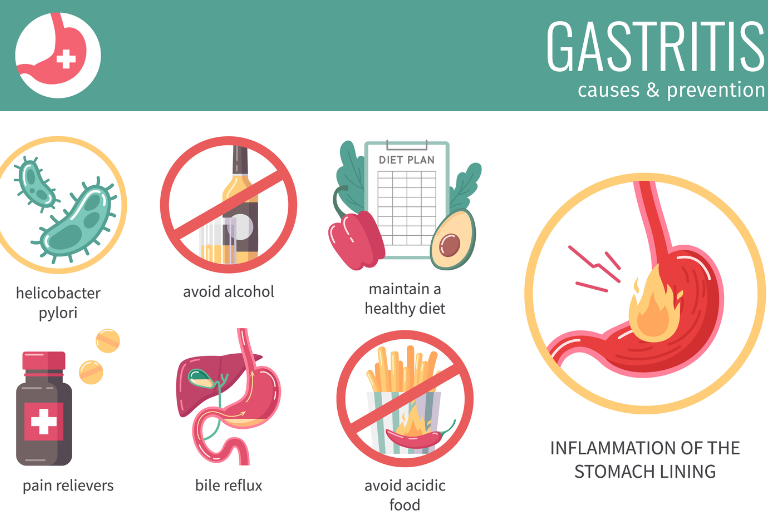
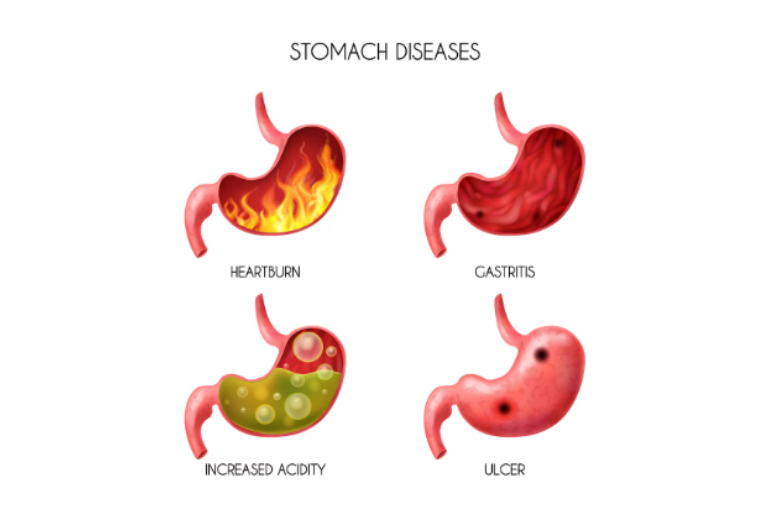
Gastritis refers to inflammation of the stomach lining. It can be acute (short-term) or chronic (long-lasting), depending on the cause and severity.
- Common causes include:
- Infection (such as H. pylori)
- Long-term use of NSAIDs
- Excess alcohol consumption
- Chronic stress
- Autoimmune conditions
- Common symptoms include:
- Burning or aching stomach pain
- Nausea or vomiting
- Bloating or fullness after eating
- Loss of appetite
- Indigestion
- In severe cases, bleeding
Gastritis affects how the stomach protects itself from acid. When the lining becomes inflamed or weakened, even normal digestive processes can cause discomfort.
Standard Medical Approaches Gastritis
Medical cannabis is not a primary treatment for gastritis.
Typical treatment focuses on addressing the underlying cause and reducing stomach irritation:
Typical treatment focuses on addressing the underlying cause and reducing stomach irritation:
1. Acid-Reducing Medications
Proton pump inhibitors (PPIs) and H2 blockers help reduce stomach acid and allow healing.
2. Antibiotics (if needed)
Used to treat H. pylori infections.
3. Lifestyle and Dietary Adjustments
Avoiding spicy foods, alcohol, caffeine, and irritants is essential. Smaller, frequent meals may help reduce symptoms.
4. Stress Management
Stress can worsen inflammation and symptom severity.
Cannabis, if considered, is generally used as adjunct symptom support, not a replacement for treatment.
The Endocannabinoid System Stomach Function
The endocannabinoid system (ECS) plays a role in regulating:
- Inflammation
- Pain perception
- Nausea and vomiting
- Appetite
- Gut motility
Cannabinoid receptors are present in the digestive tract, including the stomach, which has led to interest in their role in gastrointestinal conditions.
THC (tetrahydrocannabinol)
- Psychoactive
- May reduce nausea
- Can stimulate appetite
- May reduce pain perception
- Higher doses may cause anxiety or dizziness
CBD (cannabidiol)
- Non-intoxicating
- May have anti-inflammatory effects
- May help reduce anxiety
- Generally better tolerated for daytime use
Potential Benefits of Medical Cannabis Gastritis
While cannabis does not treat the underlying cause of gastritis, it may help manage certain symptoms.
1. Nausea Relief
Cannabinoids are well known for their anti-nausea effects. This may help individuals experiencing persistent stomach discomfort or medication-related nausea.
2. Appetite Support
Gastritis can reduce appetite due to discomfort while eating. THC may help increase hunger and improve food intake.
3. Pain Reduction
Stomach inflammation can cause burning or aching pain. Cannabis may influence pain signaling, helping some individuals feel more comfortable.
4. Stress Reduction
Stress can worsen gastritis symptoms. CBD may help regulate stress and support a calmer nervous system.
5. Sleep Support
Discomfort can interfere with sleep. Some individuals report improved sleep with balanced cannabinoid use.
It is important to note that symptom relief does not necessarily mean healing of the stomach lining.
Risks and Considerations
Cannabis use in gastritis requires careful evaluation.
1. Potential Stomach Irritation
Smoking cannabis may irritate the stomach or worsen symptoms in some individuals.
2. Cannabis Hyperemesis Syndrome (CHS)
Chronic use may lead to severe nausea and vomiting in some cases.
3. Symptom Masking
Pain relief may hide worsening inflammation or underlying conditions.
4. Cognitive Effects
High-THC use may cause dizziness, anxiety, or impaired focus.
5. Dependency Risk
Regular use may lead to cannabis use disorder in some individuals.
Safer Cannabis Use Strategies
If cannabis is included in a symptom management plan:
1. Start Low and Monitor Response : Begin with low doses and adjust gradually.
2. Consider CBD-Dominant Products : These may help reduce inflammation and stress without strong psychoactive effects.
3. Avoid Smoking: Use tinctures, capsules, or edibles for more controlled dosing.
4. Track Symptoms Monitor:
1. Start Low and Monitor Response : Begin with low doses and adjust gradually.
2. Consider CBD-Dominant Products : These may help reduce inflammation and stress without strong psychoactive effects.
3. Avoid Smoking: Use tinctures, capsules, or edibles for more controlled dosing.
4. Track Symptoms Monitor:
- Pain levels
- Nausea frequency
- Appetite changes
- Sleep quality
Stop use if symptoms worsen.
Cannabis and Gastritis Medications
Cannabinoids may interact with medications processed through liver enzymes.
Potential interactions include:
Potential interactions include:
- Proton pump inhibitors
- Antidepressants
- Anti-nausea medications
CBD may affect how these drugs are metabolized.
Always consult a healthcare provider before combining treatments.
Always consult a healthcare provider before combining treatments.

FAQs
1. Can medical cannabis cure gastritis?
No. It may help manage symptoms but does not treat the underlying cause.
2. Can cannabis help with nausea from gastritis?
Yes, some individuals report reduced nausea.
3. Is CBD better than THC for gastritis?
In some cases, especially with smoking or heavy use, symptoms may worsen.
5. Is cannabis approved for gastritis treatment?
No cannabis-based treatments are specifically approved.
5. Is cannabis approved for eating disorder treatment?
No cannabis-based treatments are approved specifically for eating disorders.
6. Can cannabis improve appetite?
THC may help stimulate appetite.
7. Does cannabis affect stomach acid?
Research is limited; effects may vary.
8. Can cannabis interact with medications?
Yes, especially through liver enzyme pathways.
9. Should I stop my medication if cannabis helps?
No. Always consult a doctor before making changes.
10. Should I talk to a doctor before trying cannabis?
Yes. Professional guidance is essential.
When to Seek Medical Attention

Gastritis symptoms can sometimes overlap with more serious gastrointestinal conditions. While mild discomfort may improve with treatment, certain signs require immediate medical attention.
Seek prompt care if you experience:
Seek prompt care if you experience:
- Severe or worsening abdominal pain that does not improve with medication
- Vomiting blood or material that looks like coffee grounds
- Black or tarry stools, which may indicate internal bleeding
- Persistent vomiting or inability to keep food and fluids down
- Unexplained weight loss or loss of appetite over time
These symptoms may signal complications such as bleeding, ulcers, or significant inflammation that require urgent evaluation.
Early medical attention can prevent more serious outcomes and ensure appropriate treatment.
A Balanced Clinical Perspective

Gastritis requires proper diagnosis, treatment, and monitoring.
Medical cannabis may provide relief for symptoms like nausea, pain, or appetite loss in some individuals. However, it does not address the underlying inflammation or cause of the condition.
The most effective approach includes:
- Medical treatment
- Dietary adjustments
- Stress management
- Ongoing monitoring
Cannabis, if used, should be part of a broader, well-managed plan.
A Balanced Clinical Perspective
Gastritis requires proper diagnosis, treatment, and monitoring.
Medical cannabis may provide relief for symptoms like nausea, pain, or appetite loss in some individuals. However, it does not address the underlying inflammation or cause of the condition.
The most effective approach includes:
- Medical treatment
- Dietary adjustments
- Stress management
- Ongoing monitoring
Cannabis, if used, should be part of a broader, well-managed plan.
Supporting Long-Term Stomach Health
Managing gastritis is about consistency and care — not quick fixes.
If medical cannabis becomes part of your approach, it should be used thoughtfully, with guidance and awareness of risks.
Because long-term digestive health depends on balance, not temporary relief.
Because long-term digestive health depends on balance, not temporary relief.
Ready to find the
perfect strain for your needs?
Navigating the complexities of medical marijuana laws can be tricky, but with the right information, you can protect your privacy and your rights as a medical cannabis cardholder. At Marijuana Specialist Near Me, we make the process of obtaining a medical marijuana card straightforward, with online consultations and guidance through the legal landscape, ensuring you’re well informed about how your card can be used without compromising your privacy.
