

When Eating Feels Complicated
You expected your relationship with food to feel simple.
Maybe it started with skipping meals occasionally. Then it became more structured, more controlled. Some days, eating feels difficult or overwhelming. Other days, thoughts around food take up more space than expected. The patterns shift, but they don’t fully settle.
Eating challenges don’t always stay limited to meals. They can affect energy levels, mood, focus, and how you feel in your own body throughout the day. Even when everything looks “fine” from the outside, the internal experience can feel very different. Eating is not just about hunger. It is influenced by emotional regulation, stress levels, thought patterns, and the way the brain processes reward and control. Many people work with therapy, nutritional guidance, and medical support to manage symptoms. Alongside this, some begin to look for additional ways to support appetite, anxiety, or sleep.
Medical cannabis is one option that often comes up. To understand whether it can play a role, it’s important to look at how eating disorders affect the body — and how cannabinoids interact with appetite, mood, and behavior.
Eating challenges don’t always stay limited to meals. They can affect energy levels, mood, focus, and how you feel in your own body throughout the day. Even when everything looks “fine” from the outside, the internal experience can feel very different. Eating is not just about hunger. It is influenced by emotional regulation, stress levels, thought patterns, and the way the brain processes reward and control. Many people work with therapy, nutritional guidance, and medical support to manage symptoms. Alongside this, some begin to look for additional ways to support appetite, anxiety, or sleep.
Medical cannabis is one option that often comes up. To understand whether it can play a role, it’s important to look at how eating disorders affect the body — and how cannabinoids interact with appetite, mood, and behavior.
Understanding Eating Disorders
Eating disorders are serious psychological conditions that affect eating behaviors, body image, and emotional health.
Anorexia nervosa
Characterized by severe restriction of food intake, intense fear of gaining weight, and a distorted body image. Individuals may see themselves as overweight even when underweight, leading to significant physical health risks.
Bulimia nervosa
Involves cycles of binge eating followed by compensatory behaviors such as vomiting, excessive exercise, or laxative use. These patterns are often driven by guilt, loss of control, and concerns about weight.
Binge eating disorder
Marked by recurring episodes of eating large amounts of food in a short period, often accompanied by feelings of loss of control, distress, or shame, without regular compensatory behaviors.
Avoidant/Restrictive Food Intake Disorder (ARFID)
Involves limited food intake due to sensory sensitivities, fear of choking or discomfort, or lack of interest in eating, rather than concerns about body weight or shape.
- Common symptoms may include:
- Distorted body image
- Restrictive eating or loss of appetite
- Binge eating episodes
- Guilt or anxiety around food
- Weight fluctuations
- Fatigue and nutrient deficiencies
- Eating disorders often involve:
- Emotional regulation challenges
- Anxiety and obsessive thinking patterns
- Neurochemical imbalances
- Stress and trauma-related factors
- Because of this complexity, treatment must be multidisciplinary.

Standard Medical Approaches for Eating Disorders
Medical cannabis is not a primary treatment for eating disorders. Recovery typically requires a structured, multidisciplinary approach that addresses both physical and psychological aspects of the condition.
1. Psychological Therapy
Therapy is the foundation of treatment. Cognitive Behavioral Therapy (CBT) helps identify and change harmful thought patterns around food, body image, and control. Family-based therapy is often used, especially for younger individuals, while trauma-informed approaches address underlying emotional triggers.
2. Nutritional Rehabilitation
A structured eating plan, guided by professionals, helps restore proper nutrition, stabilize metabolism, and rebuild a healthier relationship with food over time.
3. Medical Monitoring
Regular check-ups are essential to track weight, vital signs, and complications such as electrolyte imbalances, hormonal disruption, or organ stress.
4. Medication (When Needed)
Antidepressants or anti-anxiety medications may be used to support mood regulation and reduce co-occurring symptoms.
Cannabis, if considered, should only be used as adjunct support under professional supervision, not as a replacement for treatment.
The Endocannabinoid System and Appetite
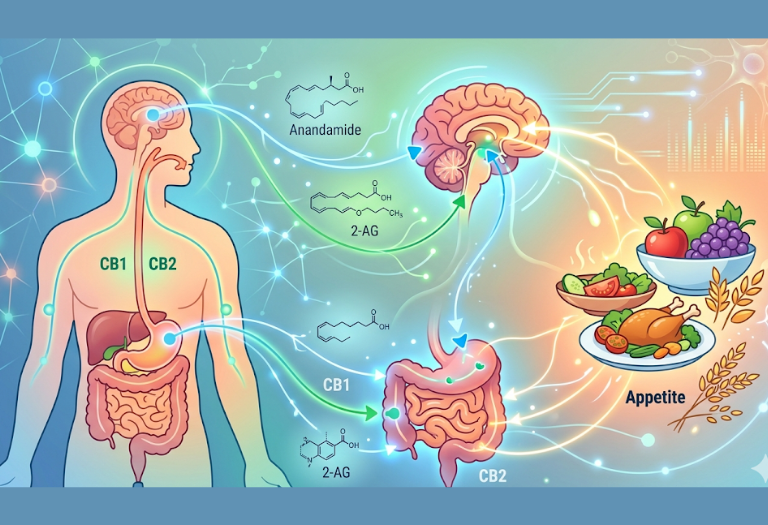
The endocannabinoid system (ECS) plays a role in regulating:
- Appetite and hunger signals
- Reward pathways
- Stress response
- Mood and emotional processing
- Sleep cycles
This system is directly involved in how the body experiences hunger and satiety.
THC (tetrahydrocannabinol)
- Stimulates appetite (“the munchies”)
- May enhance food enjoyment
- Can reduce nausea
- Higher doses may increase anxiety or impair judgment
CBD (cannabidiol)
- Non-intoxicating
- May reduce anxiety and emotional distress
- May support sleep and mood regulation
- Less direct effect on appetite
Potential Benefits of Medical Cannabis or Eating Disorders
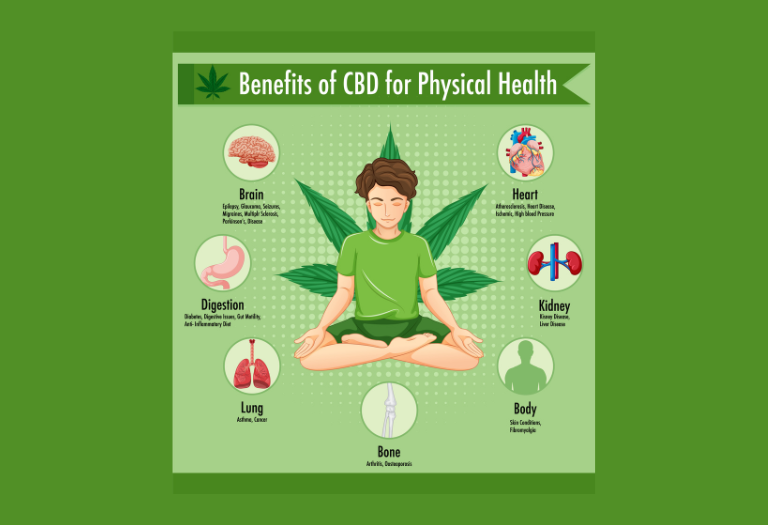
While medical cannabis is not a treatment for eating disorders themselves, some individuals explore it to help manage symptoms that can make recovery more difficult.
1. Supporting Appetite When Eating Feels Difficult
For those experiencing low appetite, especially in restrictive patterns, THC may help stimulate hunger and make eating feel more approachable. This can support gradual nutritional intake when meals feel overwhelming or stressful.
2. Easing Anxiety Around Food and Eating
Anxiety often plays a central role in eating disorders. CBD may help reduce the intensity of anxious thoughts around meals, body image, or eating situations, making it easier to stay consistent with structured routines.
3. Improving Sleep and Recovery
Sleep disruption can affect both physical healing and emotional balance. Certain cannabinoid formulations may support better sleep quality, helping the body recover and stabilize over time.
4. Reducing Nausea and Food Aversion
For some individuals, eating can feel physically uncomfortable. Cannabinoids may help reduce nausea or sensitivity, making food intake less distressing.
5. Supporting Emotional Balance
Some individuals report feeling calmer and more regulated, which may support consistency with meals, therapy, and daily habits during recovery.
Risks and Considerations
Cannabis use in eating disorders carries important risks and should be approached with caution.
1. Reinforcing Disordered Behaviors
Cannabis may alter hunger cues unpredictably, which could reinforce unhealthy eating patterns in some individuals.
2. Psychological Dependence
Those with compulsive tendencies may be more vulnerable to relying on cannabis as a coping mechanism.
3. Increased Anxiety or Paranoia
High-THC products can sometimes worsen anxiety or trigger paranoia, especially in sensitive individuals.
4. Impaired Judgment
Cannabis may affect decision-making, potentially interfering with structured recovery routines.
5. Masking Underlying Issues
Symptom relief may delay engagement with therapy or essential medical treatment.
Safer Cannabis Use Strategies
If cannabis is considered within a treatment plan:
1. Prioritize CBD-Dominant Options : These may help anxiety without strong psychoactive effects.
2. Use Low THC Doses: If appetite support is needed, low doses are safer.
3. Avoid Unstructured Use: Cannabis should not replace meals or therapy.
4. Track Behavioral Changes:
Monitor:
1. Prioritize CBD-Dominant Options : These may help anxiety without strong psychoactive effects.
2. Use Low THC Doses: If appetite support is needed, low doses are safer.
3. Avoid Unstructured Use: Cannabis should not replace meals or therapy.
4. Track Behavioral Changes:
Monitor:
- Eating patterns
- Appetite changes
- Mood and anxiety
- Sleep quality
5. Work With a Healthcare Provider :
Professional guidance is essential in eating disorder recovery.
Cannabis and Eating Disorder Medications
Cannabinoids may interact with:
- Antidepressants
- Anti-anxiety medications
- Mood stabilizers

FAQs
1. Can medical cannabis cure eating disorders?
No. Eating disorders require structured psychological and medical treatment.
2. Can cannabis help increase appetite?
THC may stimulate appetite, especially in individuals with reduced hunger.
3. Is CBD helpful for eating disorders?
CBD may help reduce anxiety and improve emotional regulation.
4. Can cannabis worsen eating disorders?
Yes. It may reinforce unhealthy eating patterns or increase psychological dependency.
5. Is cannabis approved for eating disorder treatment?
No cannabis-based treatments are approved specifically for eating disorders.
6. Can cannabis help with anxiety around food?
Some individuals report reduced anxiety, but responses vary.
7. Can cannabis affect weight gain?
Indirectly, through appetite changes — but outcomes vary.
8. Is THC or CBD better?
CBD is generally safer; THC may be used cautiously for appetite support.
9. Should cannabis replace therapy?
No. Therapy is essential for recovery.
10. Should I consult a doctor before use?
Yes. Professional supervision is critical.
A Balanced Clinical Perspective

Eating disorders are complex conditions that require structured, long-term care.
Medical cannabis may offer limited support for symptoms like appetite loss, anxiety, or sleep disruption in some individuals. However, it does not address the psychological and behavioral foundations of the disorder.
Effective recovery depends on:
- Therapy and emotional support
- Nutritional rehabilitation
- Medical monitoring
- Consistent structure

When to Seek Immediate Help
Seek urgent care if you experience:
- Severe weight loss
- Fainting or dizziness
- Heart irregularities
- Inability to eat or drink
- Signs of malnutrition
Supporting Recovery the Right Way
Recovery from an eating disorder is not about quick solutions — it’s about rebuilding a healthy relationship with food, body, and mind.
If medical cannabis is considered, it should be approached carefully, with medical guidance and clear boundaries.
Because long-term recovery isn’t built on temporary relief — it’s built on stability, support, and sustained care.
If medical cannabis is considered, it should be approached carefully, with medical guidance and clear boundaries.
Because long-term recovery isn’t built on temporary relief — it’s built on stability, support, and sustained care.
Ready to find the
perfect strain for your needs?
Navigating the complexities of medical marijuana laws can be tricky, but with the right information, you can protect your privacy and your rights as a medical cannabis cardholder. At Marijuana Specialist Near Me, we make the process of obtaining a medical marijuana card straightforward, with online consultations and guidance through the legal landscape, ensuring you’re well informed about how your card can be used without compromising your privacy.
