
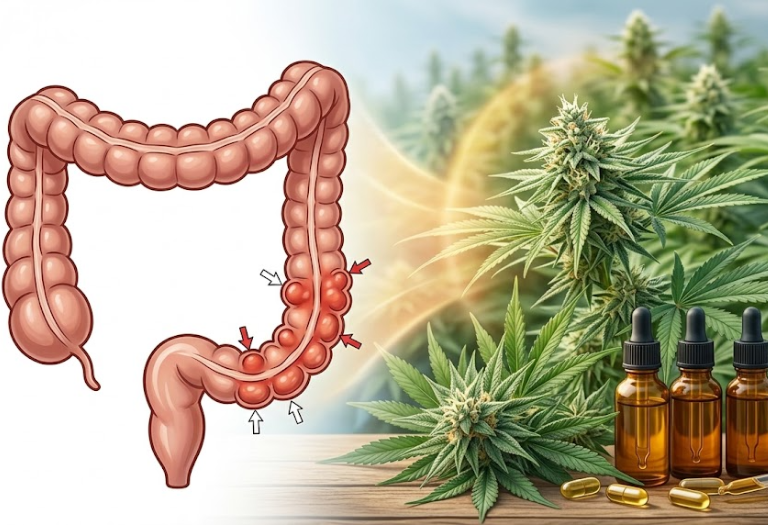
When Digestive Flare-Ups Start Controlling Daily Life
Most people expect digestive discomfort to pass quickly.
But with diverticulitis, symptoms can return unexpectedly — sometimes mild, sometimes disruptive enough to affect daily life.
It may begin with cramping or tenderness in the lower abdomen. Then comes bloating, nausea, bowel changes, or pain that becomes difficult to ignore. During flare-ups, even eating can feel uncomfortable, leading some individuals to avoid certain foods out of fear of triggering symptoms again.
Diverticulitis affects more than digestion alone. Recurring flare-ups can impact appetite, sleep, energy levels, stress, and overall quality of life. Even after treatment, some individuals continue dealing with lingering discomfort or anxiety around future episodes.
Because of this, many people explore supportive approaches that may help improve comfort alongside standard medical care.
Medical cannabis is one option that continues to generate interest for digestive symptom support.
To understand whether it may help, it’s important to look at how diverticulitis affects the gastrointestinal tract — and how cannabinoids may interact with pain, nausea, inflammation, and gut function.
It may begin with cramping or tenderness in the lower abdomen. Then comes bloating, nausea, bowel changes, or pain that becomes difficult to ignore. During flare-ups, even eating can feel uncomfortable, leading some individuals to avoid certain foods out of fear of triggering symptoms again.
Diverticulitis affects more than digestion alone. Recurring flare-ups can impact appetite, sleep, energy levels, stress, and overall quality of life. Even after treatment, some individuals continue dealing with lingering discomfort or anxiety around future episodes.
Because of this, many people explore supportive approaches that may help improve comfort alongside standard medical care.
Medical cannabis is one option that continues to generate interest for digestive symptom support.
To understand whether it may help, it’s important to look at how diverticulitis affects the gastrointestinal tract — and how cannabinoids may interact with pain, nausea, inflammation, and gut function.
Understanding Diverticulitis
Diverticulitis is a digestive condition that occurs when small pouches in the colon, known as diverticula, become inflamed or infected. These pouches are more common with aging and are often linked to increased pressure within the colon.
According to digestive health organizations such as the National Institute of Diabetes and Digestive and Kidney Diseases (NIDDK), diverticulitis can range from mild inflammation to serious gastrointestinal complications requiring urgent medical treatment.
According to digestive health organizations such as the National Institute of Diabetes and Digestive and Kidney Diseases (NIDDK), diverticulitis can range from mild inflammation to serious gastrointestinal complications requiring urgent medical treatment.
- Common symptoms include:
- Lower abdominal pain, especially on the left side
- Fever or chills
- Nausea or vomiting
- Bloating and abdominal pressure
- Constipation or diarrhea
- Loss of appetite
- Fatigue during flare-ups
- It’s important to understand the difference between:
- Diverticulosis: Presence of diverticula without inflammation
- Diverticulitis: Active inflammation or infection involving those pouches
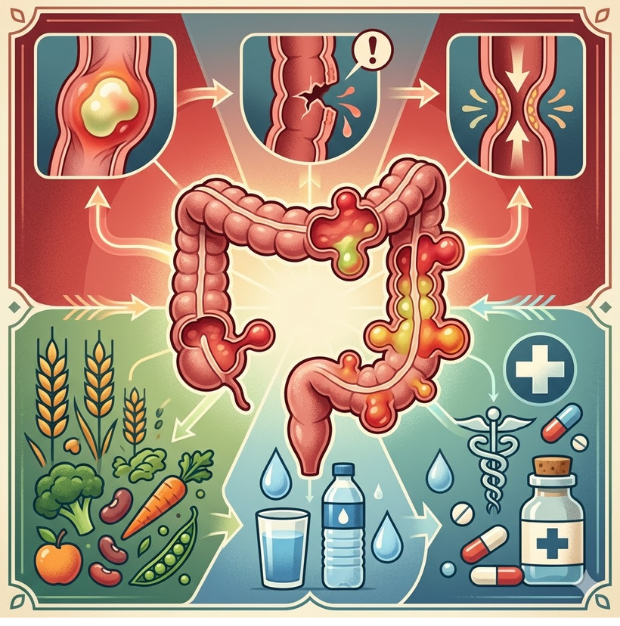
Severe cases may lead to complications such as abscesses, bowel obstruction, perforation, or infection spreading outside the colon.
Why Diverticulitis Can Be Difficult to Manage
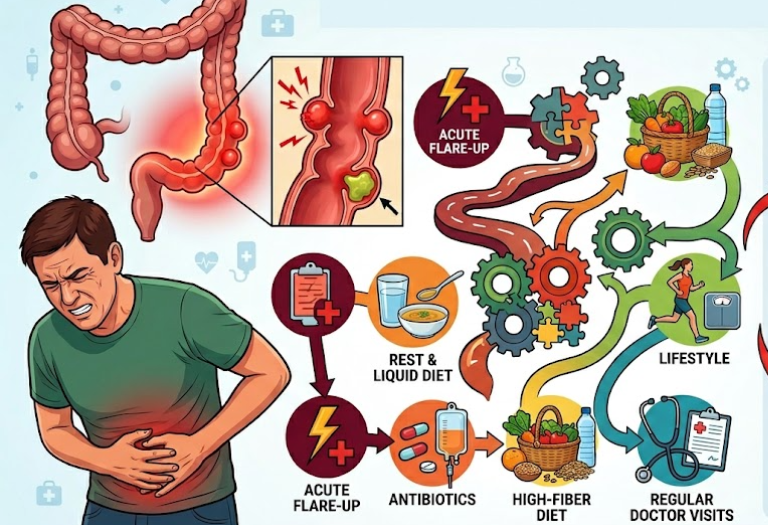
Diverticulitis affects more than digestion alone.
Flare-ups can feel unpredictable, and recovery may take time even after antibiotics or dietary changes. Some individuals experience repeated episodes that create ongoing anxiety around food choices, bowel habits, or digestive discomfort.
The condition may involve several overlapping factors, including:
Flare-ups can feel unpredictable, and recovery may take time even after antibiotics or dietary changes. Some individuals experience repeated episodes that create ongoing anxiety around food choices, bowel habits, or digestive discomfort.
The condition may involve several overlapping factors, including:
- Colon inflammation
- Altered gut motility
- Digestive sensitivity
- Changes in bowel pressure
- Stress-related symptom amplification
Standard medical treatment helps many patients recover successfully. However, some individuals continue looking for additional ways to manage pain, nausea, appetite changes, or sleep disruption during recovery periods.
This is one reason cannabis continues gaining attention within conversations around digestive symptom support.
This is one reason cannabis continues gaining attention within conversations around digestive symptom support.
Standard Medical Approaches for Diverticulitis
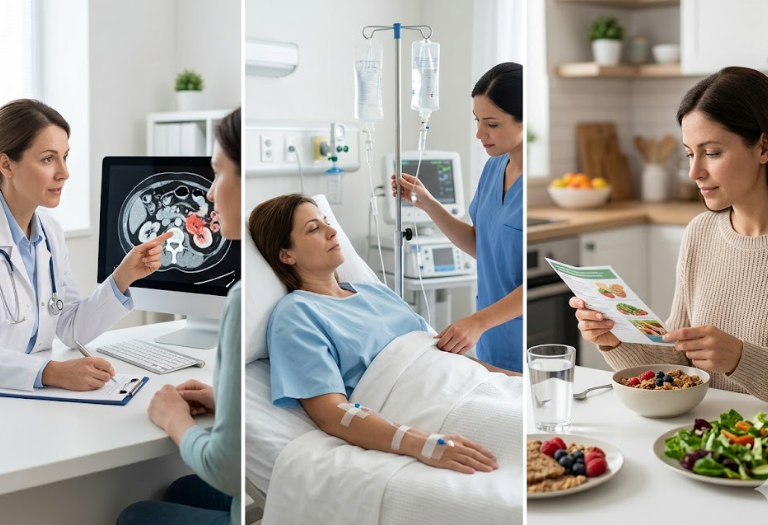
Medical cannabis is not considered a cure or primary treatment for diverticulitis. Proper medical care remains essential, especially during active flare-ups or infections.
1. Antibiotics (When Necessary)
If bacterial infection is suspected, antibiotics may help reduce inflammation and prevent complications.
2. Temporary Dietary Adjustments
During acute flare-ups, healthcare providers may recommend clear liquids or low-fiber foods before gradually returning to normal fiber intake.
3. Pain Management
Mild symptoms sometimes improve with rest, hydration, and physician-guided medications. Severe pain requires medical evaluation.
4. Surgical Treatment in Severe Cases
Recurring or complicated diverticulitis may require surgery involving removal of affected portions of the colon.
5. Long-Term Digestive Health Support
Fiber intake, hydration, physical activity, stress management, and bowel health monitoring may help reduce future flare-ups.
Cannabis, if considered, should only be viewed as adjunct symptom support under professional guidance, not a replacement for medical treatment.
How Cannabis Interacts With the Digestive System
Cannabis interacts with the body through the endocannabinoid system (ECS) — a regulatory network involved in maintaining balance throughout multiple body systems.
The ECS helps regulate:
The ECS helps regulate:
- Pain signaling
- Inflammation
- Nausea and vomiting
- Appetite
- Stress response
- Gastrointestinal motility
Cannabinoid receptors are found throughout the gastrointestinal tract, nervous system, and immune system. Researchers continue studying whether cannabinoids may influence symptoms linked to digestive inflammation and gut discomfort.
THC (Tetrahydrocannabinol)
- Psychoactive compound
- May reduce pain perception
- May help nausea and appetite loss
- Can produce relaxation or sedation
- Higher doses may increase anxiety, dizziness, or cognitive effects
CBD (Cannabidiol)
- Non-intoxicating
- May support relaxation and stress regulation
- Has potential anti-inflammatory properties
- Often preferred for daytime symptom support
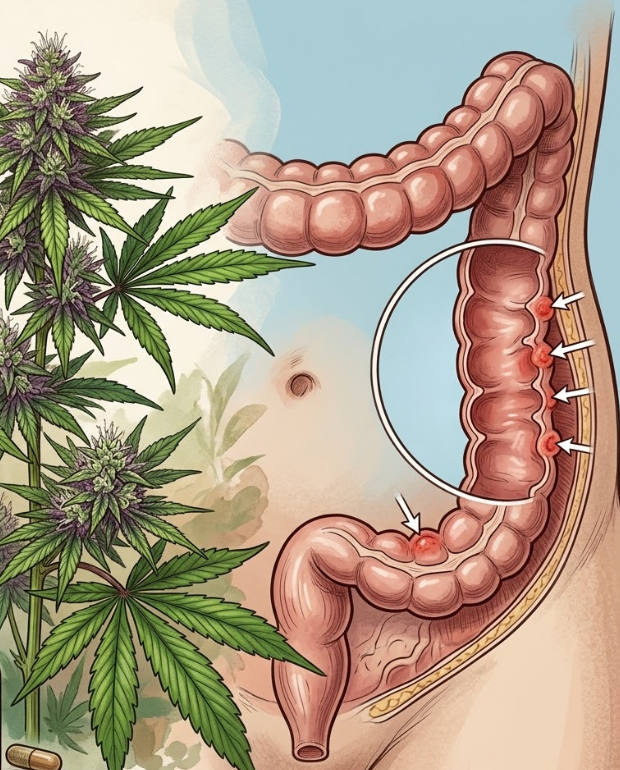
Potential Benefits of Medical Cannabis for Diverticulitis
While cannabis does not treat infection or repair damage within the colon, some individuals explore it for supportive symptom relief.
1. Abdominal Pain and Cramping Relief
Cannabinoids may influence pain-signaling pathways within the nervous system, which could help reduce abdominal discomfort during or after flare-ups.
2. Nausea Support
Digestive inflammation often affects appetite and stomach comfort. Some individuals report reduced nausea with carefully monitored cannabis use.
3. Appetite Improvement
Pain and digestive distress can make eating difficult during flare-ups. THC may help stimulate appetite and support nutritional intake in some cases.
4. Stress and Gut-Brain Support
Stress may worsen digestive symptoms through the gut-brain axis. CBD may help support relaxation and emotional regulation, which could indirectly improve symptom experience.
5. Sleep Quality Support
Digestive discomfort often interferes with sleep. Balanced THC:CBD formulations may help some individuals rest more comfortably during recovery periods.
Current evidence remains limited, and responses can vary widely between patients.
What Research Says About Cannabis and Diverticulitis
Research specifically focused on cannabis and diverticulitis remains limited. Most available studies involving cannabinoids and digestive disorders focus on:
- Chronic abdominal pain
- Nausea management
- Gut inflammation pathways
- Stress and digestive function
- Gastrointestinal motility
Some patients report improved comfort, appetite, or sleep quality with cannabis use. Researchers also continue studying how the endocannabinoid system may influence intestinal inflammation and gut sensitivity.
However, there is currently no strong scientific evidence showing cannabis can cure diverticulitis, eliminate flare-ups, or treat infection itself.
Because diverticulitis may involve serious gastrointestinal complications, cannabis should never replace proper medical evaluation or treatment.
However, there is currently no strong scientific evidence showing cannabis can cure diverticulitis, eliminate flare-ups, or treat infection itself.
Because diverticulitis may involve serious gastrointestinal complications, cannabis should never replace proper medical evaluation or treatment.
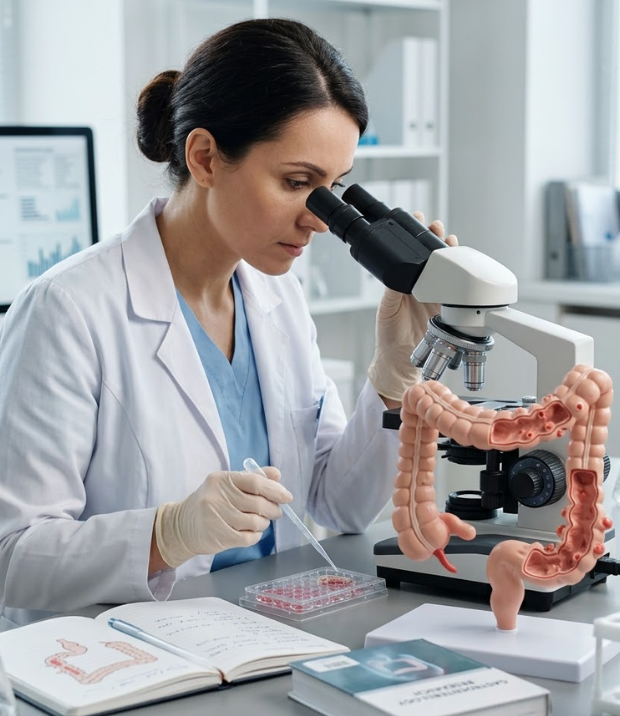
Why More Research Is Still Needed
Digestive disorders are highly individualized, and cannabis products vary widely in cannabinoid content, potency, and delivery method. This makes clinical research difficult to standardize.
Researchers still need clearer answers about:
Researchers still need clearer answers about:
- Long-term effects of cannabis on digestive health
- Optimal THC:CBD ratios for symptom management
- Effects on bowel motility and colon inflammation
- Safety during active flare-ups
- Drug interactions with digestive medications
- Whether symptom relief outweighs potential risks long term
Larger clinical studies are needed before cannabis can be fully understood within diverticulitis care.
Risks and Considerations
Cannabis use in diverticulitis requires careful medical consideration.
1. Symptom Masking : Pain relief may hide worsening inflammation or complications requiring urgent care.
2. Digestive Side Effects : Cannabis may alter gut motility, potentially worsening bloating or constipation in some individuals.
3. Cannabis Hyperemesis Syndrome (CHS): Long-term heavy cannabis use may cause severe nausea and vomiting in certain individuals.
4. Cognitive and Psychological Effects: High-THC products may increase dizziness, anxiety, impaired concentration, or sedation.
5. Dependency Risk: Regular long-term use may increase the risk of cannabis use disorder in some patients.
1. Symptom Masking : Pain relief may hide worsening inflammation or complications requiring urgent care.
2. Digestive Side Effects : Cannabis may alter gut motility, potentially worsening bloating or constipation in some individuals.
3. Cannabis Hyperemesis Syndrome (CHS): Long-term heavy cannabis use may cause severe nausea and vomiting in certain individuals.
4. Cognitive and Psychological Effects: High-THC products may increase dizziness, anxiety, impaired concentration, or sedation.
5. Dependency Risk: Regular long-term use may increase the risk of cannabis use disorder in some patients.
Safer Cannabis Use Strategies for Diverticulitis Patients
If medical cannabis is included as part of a symptom management plan:
1. Start With Low Doses: Gradual dosing may reduce unwanted side effects and improve symptom monitoring.
2. Consider CBD-Dominant or Balanced Products : These formulations may provide symptom support with fewer psychoactive effects.
3. Avoid Smoking During Active Digestive Stress: Tinctures, capsules, or measured edibles often allow more controlled dosing. 4. Monitor Digestive Symptoms Carefully : Track:
1. Start With Low Doses: Gradual dosing may reduce unwanted side effects and improve symptom monitoring.
2. Consider CBD-Dominant or Balanced Products : These formulations may provide symptom support with fewer psychoactive effects.
3. Avoid Smoking During Active Digestive Stress: Tinctures, capsules, or measured edibles often allow more controlled dosing. 4. Monitor Digestive Symptoms Carefully : Track:
- Pain intensity
- Appetite changes
- Nausea frequency
- Sleep quality
- Bowel movement changes
Discontinue use and seek medical guidance if symptoms worsen.
Cannabis and Diverticulitis Medications
Cannabinoids may interact with medications processed through liver enzyme pathways, including:
- Antibiotics
- Pain medications
- Anti-nausea medications
- Sleep or anxiety medications
CBD, in particular, may alter how certain medications are metabolized. Always discuss cannabis use with a healthcare provider before combining treatments.

FAQs
Can medical cannabis cure diverticulitis?
No. Medical cannabis may help manage symptoms such as abdominal pain or nausea, but it does not cure diverticulitis or treat infection.
Can cannabis help with diverticulitis pain?
Some individuals report reduced abdominal discomfort, though responses vary significantly between patients.
Is CBD or THC better for diverticulitis?
CBD may be better tolerated during daytime use, while THC may help more with pain, nausea, or appetite support.
Can cannabis reduce colon inflammation?
Current evidence remains limited. Cannabis should not replace medical treatment for inflammation or infection.
Can cannabis improve appetite during flare-ups?
THC may help stimulate appetite in some individuals experiencing reduced food intake.
Can cannabis worsen digestive symptoms?
Yes. In some cases, cannabis may worsen bloating, constipation, nausea, or digestive discomfort.
Is smoking cannabis recommended for digestive disorders?
Non-smoking methods are generally preferred for more controlled dosing and reduced irritation.
Can cannabis interact with antibiotics or digestive medications?
Yes. Drug interactions are possible and should always be discussed with a healthcare provider.
Should cannabis replace diverticulitis treatment?
No. Proper medical care remains essential, especially during active flare-ups.
Should I talk to a doctor before trying cannabis for diverticulitis?
Yes. Professional guidance is important for safe and appropriate use.
When to Seek Immediate Medical Attention

Seek urgent medical care if you experience:
- Severe or worsening abdominal pain
- High fever or chills
- Persistent vomiting
- Blood in stool
- Severe constipation or inability to pass stool
- Signs of dehydration
- Sudden abdominal swelling
These symptoms may indicate serious complications requiring immediate treatment.
Finding the Right Path to Digestive Relief
Diverticulitis flare-ups can make life feel like a constant cycle of discomfort, food restrictions, and uncertainty. But symptom management shouldn’t feel like guesswork.
For some individuals, medical cannabis may offer supportive relief for pain, nausea, appetite changes, and sleep disruption — especially when guided by the right medical insight. That’s why patients at MSNM connect with licensed medical marijuana providers who help turn confusion into a clearer, more personalized path forward.
Because the goal isn’t just getting through flare-ups. It’s getting back to eating, resting, and living with more comfort, confidence, and control.
And sometimes, the right guidance can help transform daily management into something that finally feels sustainable, balanced, and hopeful again.
Because the goal isn’t just getting through flare-ups. It’s getting back to eating, resting, and living with more comfort, confidence, and control.
And sometimes, the right guidance can help transform daily management into something that finally feels sustainable, balanced, and hopeful again.
Ready to find the
perfect strain for your needs?
Navigating the complexities of medical marijuana laws can be tricky, but with the right information, you can protect your privacy and your rights as a medical cannabis cardholder. At Marijuana Specialist Near Me, we make the process of obtaining a medical marijuana card straightforward, with online consultations and guidance through the legal landscape, ensuring you’re well informed about how your card can be used without compromising your privacy.
