
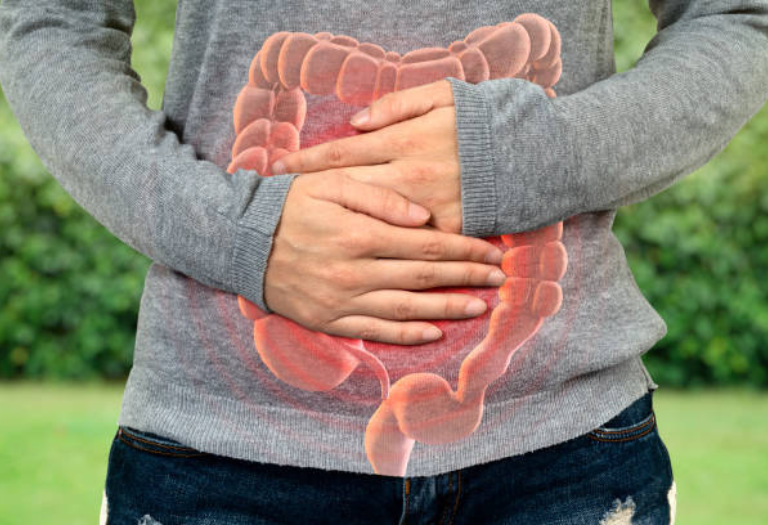
Medical Cannabis for Digestive Disorders

When Digestion Becomes Unpredictable

Eating is supposed to be simple. But for many people with digestive disorders, even a normal meal can come with uncertainty — discomfort, bloating, nausea, or pain that lingers long after eating.

Digestive issues don’t just affect the stomach. They can disrupt energy levels, sleep, mood, and daily routines. Symptoms may come and go, or persist despite careful diet and medical care.

Standard treatments remain essential. But as people look for additional ways to manage symptoms, a growing question is being asked:

Can medical cannabis help support digestive health — or could it interfere with proper gut function?

Understanding Digestive Disorders

“Digestive disorders” is a broad term that includes multiple conditions affecting the gastrointestinal (GI) system.

Common examples include:
  • Irritable Bowel Syndrome (IBS)
  • Acid reflux (GERD)
  • Functional dyspepsia
  • Chronic gastritis
  • Inflammatory conditions like Crohn’s disease or ulcerative colitis
Symptoms vary depending on the condition but often include:
  • Abdominal pain or cramping
  • Bloating and gas
  • Nausea or vomiting
  • Diarrhea or constipation
  • Heartburn
  • Loss of appetite
These conditions may involve:
  • Gut-brain interaction issues
  • Inflammation
  • Altered motility (movement of the GI tract)
  • Microbiome imbalance
  • Stress-related triggers

Because digestive disorders have multiple causes, treatment approaches must be individualized.
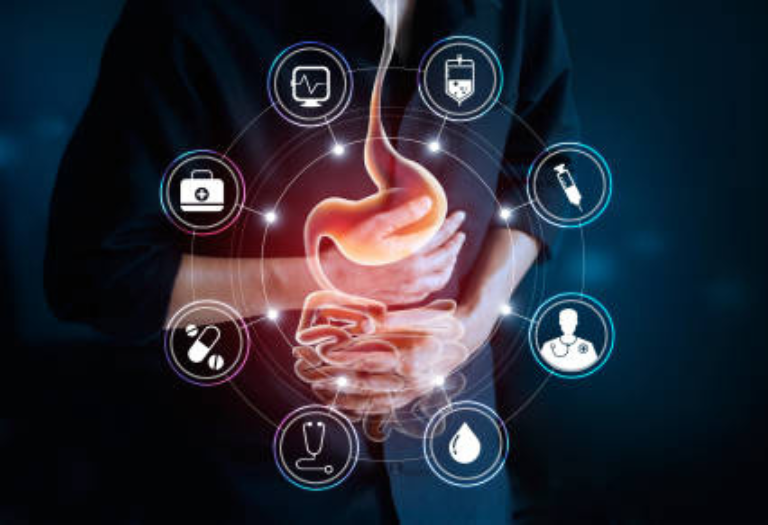
Standard Medical Approaches for Digestive Disorders

Medical cannabis is not considered a primary treatment for digestive conditions.

Typical management strategies include:

1. Dietary Adjustments
Identifying trigger foods, using low-FODMAP diets, or eliminating irritants like caffeine and spicy foods.
2. Medications
Depending on the condition, doctors may prescribe:
  • Antacids or proton pump inhibitors (PPIs)
  • Antispasmodics
  • Anti-nausea medications
  • Laxatives or anti-diarrheal agents
3. Gut-Brain Therapies
Stress management, cognitive behavioral therapy, and relaxation techniques can improve symptom control.
4. Lifestyle Modifications
Regular meals, hydration, sleep optimization, and physical activity all support digestive function.

Cannabis, if used, is generally considered adjunct symptom support, not a replacement for treatment.

The Endocannabinoid System and the Gut
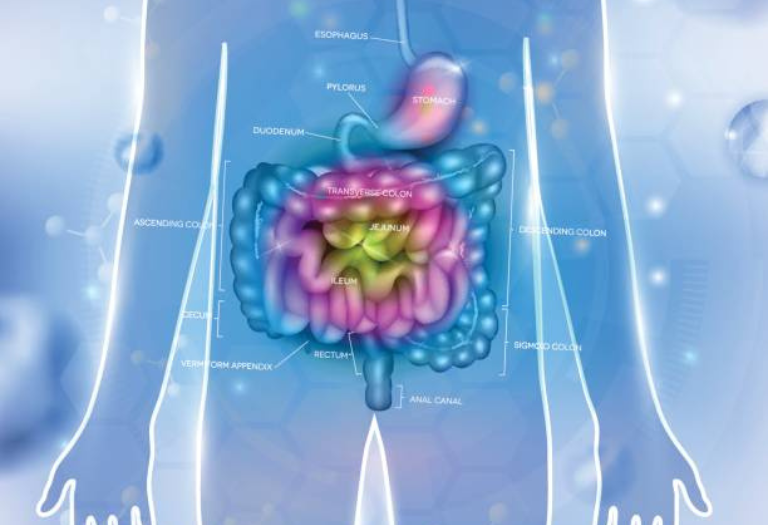
The endocannabinoid system (ECS) plays a key role in maintaining balance in the digestive system.

It helps regulate:

  • Gut motility
  • Pain perception
  • Inflammation
  • Appetite
  • Nausea and vomiting
  • Stress response


Cannabinoid receptors are widely present in the GI tract and nervous system, which is why researchers are exploring cannabis in digestive health.

THC (Tetrahydrocannabinol)
  • Psychoactive
  • May reduce nausea and pain
  • Can stimulate appetite
  • May slow gut motility
  • Higher doses may cause anxiety or dizziness
CBD (Cannabidiol)
  • Non-intoxicating
  • May reduce inflammation and anxiety
  • May support gut-brain balance
  • Generally better tolerated for daytime use

Potential Benefits of Medical Cannabis for Digestive Disorders

While not a cure, medical cannabis may help manage certain digestive symptoms in some individuals.
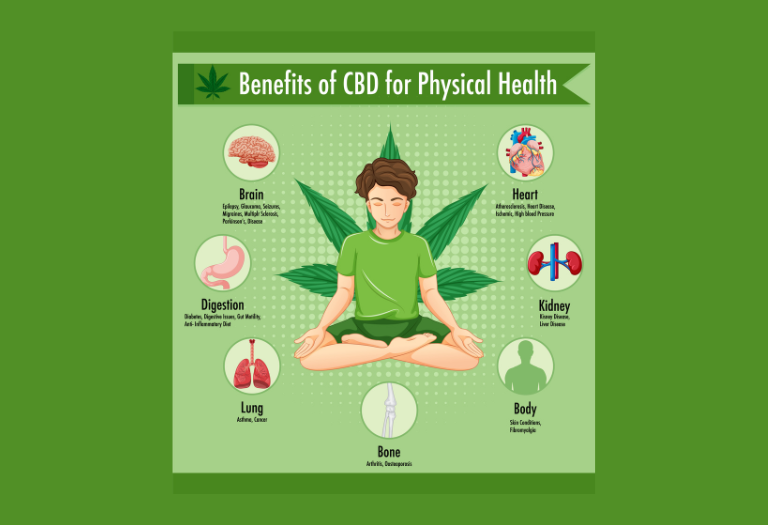
1. Nausea and Vomiting Relief
Cannabinoids are widely recognized for their anti-nausea properties, especially in clinical settings like chemotherapy. This may help individuals dealing with chronic digestive discomfort or medication-related nausea.
2. Abdominal Pain Reduction
Cannabis may influence pain signaling pathways in the gut, potentially reducing cramping and discomfort associated with digestive disorders.
3. Appetite Stimulation
Loss of appetite is common in many gastrointestinal conditions. THC, in particular, may help stimulate hunger and support better nutritional intake.
4. Bloating and Motility Regulation
Cannabis can affect gut motility, which may help regulate digestion in some cases, though effects vary between individuals.
5. Stress and Gut-Brain Support
Since stress often worsens digestive symptoms, CBD may help regulate anxiety and support gut-brain balance, indirectly improving overall symptom control.

Risks and Considerations

Cannabis is not risk-free, especially for individuals with digestive conditions.
1. Worsening Motility Issues
Cannabis may slow digestion, which can worsen constipation, bloating, or feelings of fullness in some people.
2. Cannabis Hyperemesis Syndrome (CHS)
Long-term or heavy use may trigger severe nausea and vomiting, a condition known as CHS.
3. Symptom Masking
Pain relief may create a false sense of improvement while underlying issues continue to progress.
4. Cognitive and Psychological Effects
High-THC products can cause anxiety, dizziness, or difficulty concentrating.
5. Dependency Risk
Regular use, especially in higher doses, may lead to cannabis use disorder in some individuals.

Safer Cannabis Use Strategies

1. Start with Low Doses : Monitor how symptoms respond before increasing dosage.

2. Consider CBD-Dominant Options :These may provide relief with fewer side effects.

3. Avoid Smoking : Use tinctures, capsules, or edibles for more controlled dosing.

4. Track Digestive Symptoms : Monitor:

  • Pain levels
  • Bowel patterns
  • Appetite
  • Nausea frequency

Stop use if symptoms worsen.

Safer Cannabis Use Strategies

Cannabis and Digestive Medications

Cannabinoids may interact with medications processed by liver enzymes.

Potential interactions include:

  • Acid reflux medications
  • Antidepressants
  • Anti-nausea drugs
  • Antispasmodics

CBD may alter how these medications are metabolized.
Always consult a healthcare provider before combining treatments.

FAQs

1. Can medical cannabis cure digestive disorders?
No. It may help manage symptoms but does not cure underlying conditions.
2. Can cannabis help with nausea?
Yes, cannabinoids are known for anti-nausea effects, though results vary.
3. Is CBD or THC better for digestive issues?
CBD is generally safer for daily use, while THC may help more with appetite and nausea.
4. Can cannabis help with IBS symptoms?
Some people report reduced pain and stress, but evidence is limited.
5. Can cannabis worsen digestive symptoms?
Yes. It may worsen bloating, constipation, or lead to cannabis hyperemesis syndrome in some users.
6. Is cannabis approved for digestive disorders?
No cannabis-based treatments are specifically approved for these conditions.
7. Can cannabis improve appetite?
THC may stimulate appetite, which can help in certain cases.
8. Does cannabis affect gut motility?
Yes, it can slow or alter digestion depending on the dose and individual response.
9. Can cannabis interact with digestive medications?
Yes. It may affect how certain drugs are processed in the body.
10. Should I consult a doctor before using cannabis?
Yes. Professional guidance is essential for safe use.

A Balanced Clinical Perspective

Seek immediate care if you experience:

  • Severe abdominal pain
  • Persistent vomiting
  • Blood in stool
  • Rapid weight loss
  • Signs of dehydration

These may indicate serious underlying conditions.
When to Seek Medical Attention

Seek urgent care if you experience:
  • Severe weight loss
  • Fainting or dizziness
  • Heart irregularities
  • Inability to eat or drink
  • Signs of malnutrition
These may require immediate medical attention.

Building Long-Term Digestive Stability

Managing digestive health is about consistency, not quick fixes.

If medical cannabis becomes part of your approach, it should be used carefully — with medical guidance, proper dosing, and awareness of risks.

Because true digestive health isn’t just about reducing symptoms today — it’s about maintaining balance over time.

Ready to find the
perfect strain for your needs?

Navigating the complexities of medical marijuana laws can be tricky, but with the right information, you can protect your privacy and your rights as a medical cannabis cardholder. At Marijuana Specialist Near Me, we make the process of obtaining a medical marijuana card straightforward, with online consultations and guidance through the legal landscape, ensuring you’re well informed about how your card can be used without compromising your privacy.

Legal Disclaimer

The information provided on this blog is for general informational and educational purposes only and is not intended as, nor should it be considered a substitute for, professional medical advice, diagnosis, or treatment. Always seek the advice of your physician or other qualified health provider with any questions you may have regarding a medical condition or treatment and before undertaking a new healthcare regimen. Never disregard professional medical advice or delay in seeking it because of something you have read on this website.

The content on this blog is provided “as is” and no representations are made that the content is error-free. The website and its authors take no responsibility for errors or omissions in the content of this blog or other websites or resources that may be referenced or linked to herein. The website’s content is not intended to recommend or endorse any specific tests, physicians, procedures, opinions, or other information that may be mentioned on the site.

By using this blog, you agree to the foregoing terms and conditions, which may from time to time be changed or supplemented by this website. If you do not agree to the foregoing terms and conditions, you should not use this blog. The website and its authors shall not be liable for any damages, including without limitation, indirect or consequential damages, arising from the use or inability to use the content on this blog.

This disclaimer is governed by and construed in accordance with the laws of Florida, without regard to its conflict of law principles.

Write a comment

Your email address will not be published. Required fields are marked *

A Picture of Richard Koffler MD

Article Written By

Richard Koffler, MD

NPI Number- 1467557264

About Richard Koffler, MD

  • Dr. Koffler is a Physiatrist, specializing in Physical Medicine & Rehabilitation.
  • Graduated from the Sackler School of Medicine at Tel Aviv University in 1993 Dr. Koffler completed a one-year internship in internal medicine at Roosevelt Hospital in New York City.
  • Residency in Physical Medicine and Rehabilitation at the Rusk Institute at NYU Medical Center in New York City. Board certified in 1998.
  • Trained in acupuncture at Helms Medical Institute at UCLA His medical practice incorporates proven conventional western medicine integrating eastern alternative practices.
  • Medical Director of several medical clinics in NYC, Stamford CT, and Miami Beach, FL.
Roles And Leadership