
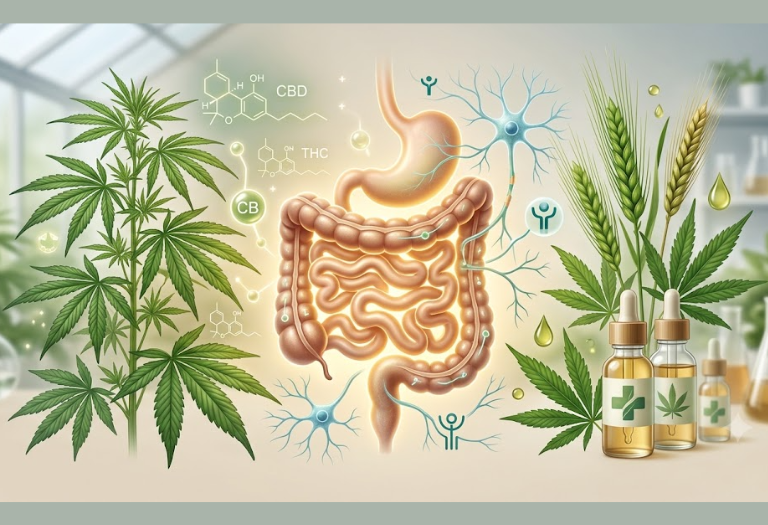
When Every Meal Starts With a Second Thought
For most people, eating is simple. For someone living with celiac disease, every meal often comes with a question:
“Is this really safe?”
Even the smallest amount of gluten can trigger an immune response that damages the small intestine. What follows may be abdominal pain, bloating, diarrhea, nausea, fatigue, or symptoms that last for days. For some individuals, accidental gluten exposure also leads to brain fog, joint pain, headaches, or skin problems that affect much more than digestion.
Over time, the constant need to read food labels, avoid cross-contamination, and manage unpredictable symptoms can become physically and emotionally exhausting.
Following a strict gluten-free diet remains the only proven treatment for celiac disease. Even so, some individuals continue looking for supportive ways to manage lingering symptoms or occasional flare-ups after accidental gluten exposure.
Medical cannabis is one option that continues gaining attention for symptom support in chronic gastrointestinal conditions.
To understand whether it may help, it’s important to first understand how celiac disease affects the digestive and immune systems—and how cannabinoids may interact with pain, nausea, appetite, inflammation, and stress.
“Is this really safe?”
Even the smallest amount of gluten can trigger an immune response that damages the small intestine. What follows may be abdominal pain, bloating, diarrhea, nausea, fatigue, or symptoms that last for days. For some individuals, accidental gluten exposure also leads to brain fog, joint pain, headaches, or skin problems that affect much more than digestion.
Over time, the constant need to read food labels, avoid cross-contamination, and manage unpredictable symptoms can become physically and emotionally exhausting.
Following a strict gluten-free diet remains the only proven treatment for celiac disease. Even so, some individuals continue looking for supportive ways to manage lingering symptoms or occasional flare-ups after accidental gluten exposure.
Medical cannabis is one option that continues gaining attention for symptom support in chronic gastrointestinal conditions.
To understand whether it may help, it’s important to first understand how celiac disease affects the digestive and immune systems—and how cannabinoids may interact with pain, nausea, appetite, inflammation, and stress.
Understanding Celiac Disease
Celiac disease is a chronic autoimmune disorder in which eating gluten triggers an abnormal immune response.
Instead of simply digesting gluten, the immune system attacks the lining of the small intestine, damaging tiny finger-like structures called villi that absorb nutrients from food.
Over time, this damage can interfere with nutrient absorption and lead to numerous health complications if left untreated.
Instead of simply digesting gluten, the immune system attacks the lining of the small intestine, damaging tiny finger-like structures called villi that absorb nutrients from food.
Over time, this damage can interfere with nutrient absorption and lead to numerous health complications if left untreated.
- Common symptoms include:
- Abdominal pain
- Bloating
- Chronic diarrhea or constipation
- Nausea
- Fatigue
- Weight loss
- Iron-deficiency anemia
- Brain fog
- Skin rash (dermatitis herpetiformis)
- Some individuals experience very few digestive symptoms, making diagnosis more challenging.
- Untreated celiac disease may increase the risk of nutritional deficiencies, osteoporosis, infertility, neurological complications, and other autoimmune disorders.
Why Celiac Disease Can Be Challenging to Manage
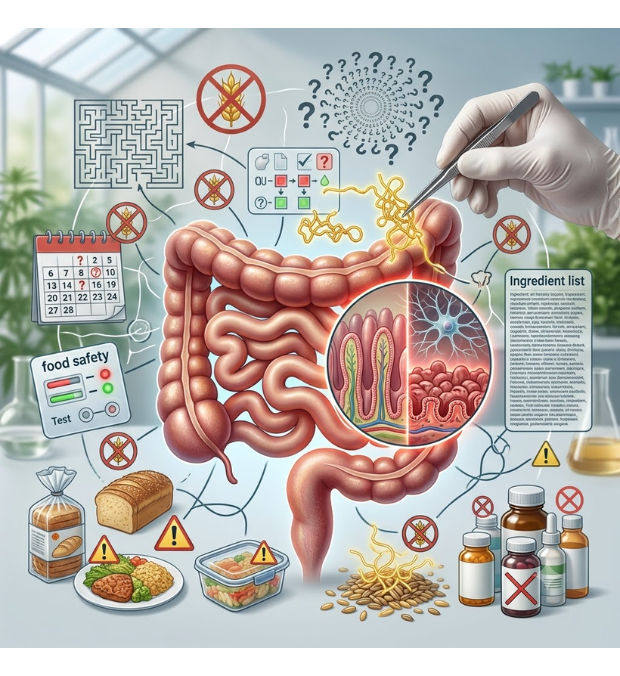
Unlike many digestive conditions, celiac disease has one clear treatment—but following it isn’t always easy.
Even tiny amounts of gluten from cross-contamination can trigger symptoms and intestinal inflammation.
Many individuals also experience ongoing challenges such as:
Even tiny amounts of gluten from cross-contamination can trigger symptoms and intestinal inflammation.
Many individuals also experience ongoing challenges such as:
- Digestive discomfort
- Anxiety around eating
- Appetite changes
- Fatigue
- Nutritional deficiencies
- Reduced quality of life
Standard Medical Approaches for Celiac Disease

Medical cannabis is not considered a cure or primary treatment for celiac disease.
The cornerstone of treatment is lifelong avoidance of gluten to allow the small intestine to heal and reduce immune activation.
The cornerstone of treatment is lifelong avoidance of gluten to allow the small intestine to heal and reduce immune activation.
1. Strict Gluten-Free Diet
Complete elimination of wheat, barley, and rye remains the only proven treatment for celiac disease.
2. Nutritional Support
Some patients require vitamin or mineral supplementation to correct deficiencies caused by intestinal damage.
3. Regular Medical Follow-Up
Monitoring symptoms, antibody levels, and nutritional health helps evaluate recovery and long-term disease management.
4. Managing Persistent Symptoms
Some individuals require additional evaluation if symptoms continue despite following a gluten-free diet.
Cannabis, if considered, should be viewed as adjunct symptom support, not a replacement for a gluten-free diet or medical treatment.
How Cannabis Interacts With the Digestive System
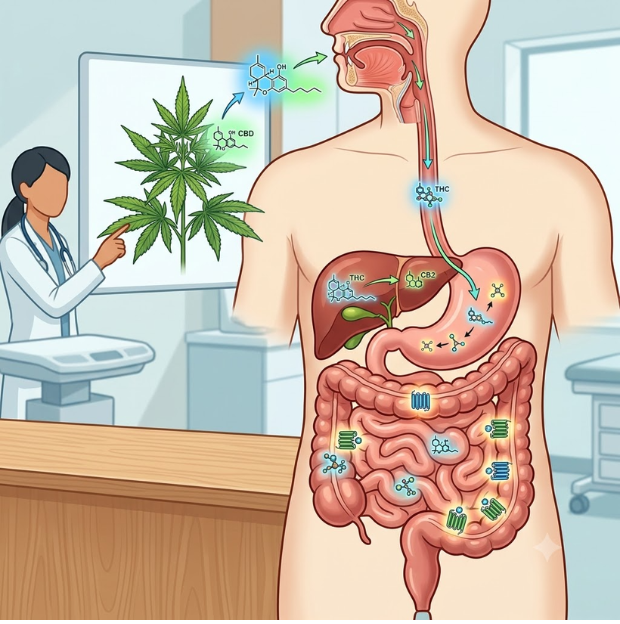
Cannabis interacts with the body’s endocannabinoid system (ECS)—a regulatory network involved in:
- Pain perception
- Nausea regulation
- Appetite
- Gut motility
- Stress response
- Inflammation
Cannabinoid receptors are found throughout the gastrointestinal tract, nervous system, and immune system.
Researchers continue studying how cannabinoids may influence digestive symptoms associated with chronic gastrointestinal conditions.
Researchers continue studying how cannabinoids may influence digestive symptoms associated with chronic gastrointestinal conditions.
THC (Tetrahydrocannabinol)
- Psychoactive compound
- May reduce nausea
- Can stimulate appetite
- May reduce pain perception
- Higher doses may cause dizziness or anxiety
CBD (Cannabidiol)
- Non-intoxicating
- May support stress regulation
- Has potential anti-inflammatory properties
- Often preferred for daytime symptom support
Potential Benefits of Medical Cannabis for Celiac Disease
While cannabis does not treat celiac disease or prevent immune reactions to gluten, some individuals explore it to help manage symptoms.
1. Abdominal Pain Relief
Digestive discomfort may continue after accidental gluten exposure. Cannabinoids may influence pain pathways that affect abdominal comfort.
2. Nausea Support
Some individuals experience nausea during flare-ups. THC has been widely studied for its anti-nausea effects in various medical settings.
3. Appetite Improvement
Digestive symptoms may reduce appetite. THC may help stimulate hunger and support nutritional intake in some individuals.
4. Stress and Emotional Support
Living with a lifelong dietary restriction can create ongoing emotional stress. CBD may help support relaxation and emotional well-being.
5. Sleep Quality Support
Abdominal discomfort and digestive symptoms may interfere with sleep. Some patients report better rest with balanced cannabinoid formulations.
Current evidence suggests cannabis may help manage certain symptoms, but it does not prevent gluten-triggered intestinal damage.
What Research Says About Cannabis and Celiac Disease
Research specifically evaluating cannabis for celiac disease remains limited.
Most available studies involving cannabinoids focus on symptom management in chronic gastrointestinal disorders rather than autoimmune intestinal diseases.
Researchers continue investigating how cannabinoids may influence:
However, there is currently no evidence that cannabis prevents immune activation, heals intestinal damage, or allows individuals with celiac disease to safely consume gluten.
The only effective treatment for celiac disease remains lifelong adherence to a gluten-free diet.
- Pain perception
- Nausea
- Appetite
- Gut inflammation
- Quality of life
However, there is currently no evidence that cannabis prevents immune activation, heals intestinal damage, or allows individuals with celiac disease to safely consume gluten.
The only effective treatment for celiac disease remains lifelong adherence to a gluten-free diet.
Why More Research Is Still Needed
Celiac disease is a complex autoimmune condition involving both the digestive and immune systems.
Researchers continue studying:
- Cannabinoid effects on gastrointestinal inflammation
- Long-term safety
- Optimal THC:CBD ratios
- Drug interactions
- Effects on quality of life
- Which symptoms may respond best

Risks and Considerations
Cannabis use in celiac disease should be approached carefully.
1. Delaying Appropriate Treatment : Cannabis should never replace a strict gluten-free diet.
2. Cognitive Effects : High-THC products may impair concentration or reaction time.
3. Dependency Risk : Long-term frequent use may increase the risk of cannabis use disorder.
4. Medication Interactions : Cannabinoids may interact with medications processed through liver enzymes.
5. Symptom Masking : Reducing symptoms after gluten exposure does not prevent intestinal injury or long-term complications.
1. Delaying Appropriate Treatment : Cannabis should never replace a strict gluten-free diet.
2. Cognitive Effects : High-THC products may impair concentration or reaction time.
3. Dependency Risk : Long-term frequent use may increase the risk of cannabis use disorder.
4. Medication Interactions : Cannabinoids may interact with medications processed through liver enzymes.
5. Symptom Masking : Reducing symptoms after gluten exposure does not prevent intestinal injury or long-term complications.
Safer Cannabis Use Strategies for Celiac Disease Patients
If medical cannabis is included as part of a symptom-management plan:
1. Start Low and Go Slow : Gradually increasing dosage may reduce unwanted side effects.
2. Consider CBD-Dominant or Balanced Products: These formulations may provide symptom support while minimizing psychoactive effects.
3. Use Gluten-Free Cannabis Products : Patients with celiac disease should verify that cannabis products are manufactured without gluten-containing ingredients or cross-contamination.
4. Track Symptoms Carefully : Monitor:
1. Start Low and Go Slow : Gradually increasing dosage may reduce unwanted side effects.
2. Consider CBD-Dominant or Balanced Products: These formulations may provide symptom support while minimizing psychoactive effects.
3. Use Gluten-Free Cannabis Products : Patients with celiac disease should verify that cannabis products are manufactured without gluten-containing ingredients or cross-contamination.
4. Track Symptoms Carefully : Monitor:
- Abdominal pain
- Appetite
- Nausea
- Sleep quality
- Side effects
Cannabis and Celiac Disease Medications
Cannabinoids may interact with medications used for:
Always discuss cannabis use with your healthcare provider before combining treatments.
- Digestive symptoms
- Pain management
- Sleep disorders
- Anxiety
Always discuss cannabis use with your healthcare provider before combining treatments.

FAQs
Can medical cannabis cure celiac disease?
No. Medical cannabis does not cure celiac disease or prevent gluten-triggered immune reactions.
Can cannabis reduce intestinal damage caused by gluten?
Current evidence does not show that cannabis prevents or reverses intestinal damage caused by gluten exposure.
Can cannabis help abdominal pain?
Some individuals report reduced abdominal discomfort, though responses vary.
Can cannabis improve appetite?
THC may help stimulate appetite in some individuals experiencing digestive symptoms.
Is CBD or THC better for celiac disease?
CBD may support daytime symptom management, while THC may help more with nausea, appetite, or pain.
Can cannabis replace a gluten-free diet?
No. A lifelong gluten-free diet remains the only proven treatment.
Should I use cannabis after accidental gluten exposure?
Some individuals use cannabis for symptom support, but it does not prevent intestinal injury. Consult your healthcare provider.
Can cannabis interact with medications?
Yes. Drug interactions are possible and should be discussed with a healthcare provider.
Should cannabis products be gluten-free?
Yes. Individuals with celiac disease should choose products verified to be gluten-free whenever possible.
Should I consult a healthcare provider before trying cannabis?
Yes. Professional medical guidance is strongly recommended.
When to Seek Immediate Medical Attention

Seek prompt medical care if you experience:
- Severe dehydration
- Persistent vomiting
- Significant weight loss
- Blood in the stool
- Severe abdominal pain
- Symptoms of nutritional deficiencies
These symptoms may indicate complications requiring immediate medical care.
Finding the Right Path to Digestive Comfort
Living with celiac disease means more than avoiding gluten—it means finding ways to manage the physical and emotional challenges that can come with a lifelong autoimmune condition.
For some individuals, medical cannabis may offer supportive relief for abdominal discomfort, nausea, appetite loss, stress, or sleep disruption when used alongside a strict gluten-free diet and appropriate medical care.
At MSNM, patients connect with licensed medical marijuana providers who help determine whether cannabis may be an appropriate addition to their personalized symptom management plan.
Because the goal isn’t replacing proven treatment—it’s helping you navigate daily life with greater comfort, confidence, and peace of mind.
For some individuals, medical cannabis may offer supportive relief for abdominal discomfort, nausea, appetite loss, stress, or sleep disruption when used alongside a strict gluten-free diet and appropriate medical care.
At MSNM, patients connect with licensed medical marijuana providers who help determine whether cannabis may be an appropriate addition to their personalized symptom management plan.
Because the goal isn’t replacing proven treatment—it’s helping you navigate daily life with greater comfort, confidence, and peace of mind.
Ready to find the
perfect strain for your needs?
Navigating the complexities of medical marijuana laws can be tricky, but with the right information, you can protect your privacy and your rights as a medical cannabis cardholder. At Marijuana Specialist Near Me, we make the process of obtaining a medical marijuana card straightforward, with online consultations and guidance through the legal landscape, ensuring you’re well informed about how your card can be used without compromising your privacy.
