
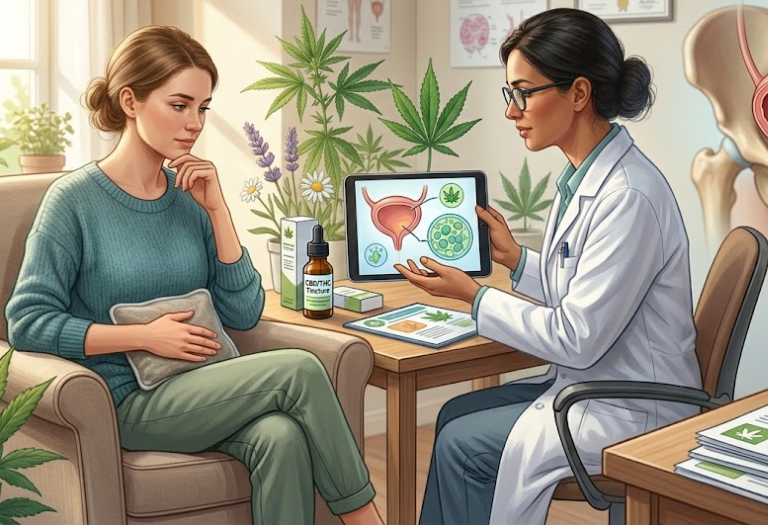
When the Urge Never Really Goes Away
Most people don’t think much about their bladder throughout the day.
But for someone living with Bladder Pain Syndrome (BPS), also known as Interstitial Cystitis (IC), the bladder can become impossible to ignore.
There may be a constant feeling of pressure. Frequent trips to the bathroom. Pelvic pain that lingers for hours. Nights interrupted by repeated urgency. Some days symptoms are mild. Other days, they can make work, travel, sleep, and even social activities feel exhausting.
What makes the condition particularly frustrating is that symptoms often persist even when there is no active infection present.
Over time, the combination of chronic pain, urinary urgency, disrupted sleep, and uncertainty can take a significant toll on quality of life.
While medical treatment remains the foundation of care, some individuals explore supportive therapies that may help manage discomfort and improve daily functioning.
Medical cannabis is one option that continues gaining attention among patients living with chronic bladder symptoms.
To understand whether it may help, it’s important to first understand how bladder pain syndrome affects the body — and how cannabinoids may interact with pain, inflammation, sleep, and nervous system signaling.
But for someone living with Bladder Pain Syndrome (BPS), also known as Interstitial Cystitis (IC), the bladder can become impossible to ignore.
There may be a constant feeling of pressure. Frequent trips to the bathroom. Pelvic pain that lingers for hours. Nights interrupted by repeated urgency. Some days symptoms are mild. Other days, they can make work, travel, sleep, and even social activities feel exhausting.
What makes the condition particularly frustrating is that symptoms often persist even when there is no active infection present.
Over time, the combination of chronic pain, urinary urgency, disrupted sleep, and uncertainty can take a significant toll on quality of life.
While medical treatment remains the foundation of care, some individuals explore supportive therapies that may help manage discomfort and improve daily functioning.
Medical cannabis is one option that continues gaining attention among patients living with chronic bladder symptoms.
To understand whether it may help, it’s important to first understand how bladder pain syndrome affects the body — and how cannabinoids may interact with pain, inflammation, sleep, and nervous system signaling.
Understanding Bladder Pain Syndrome
Bladder Pain Syndrome (BPS), often referred to as Interstitial Cystitis (IC), is a chronic condition characterized by bladder discomfort, pressure, and pain that cannot be explained by infection or other obvious causes.
Symptoms can vary widely between individuals but commonly include:
Symptoms can vary widely between individuals but commonly include:
- Bladder pain or pressure
- Pelvic pain
- Frequent urination
- Urinary urgency
- Pain during bladder filling
- Sleep disruption due to nighttime urination
- Pain during sexual activity
- Researchers do not fully understand the exact cause of BPS/IC.
- Potential contributing factors may include:
- Bladder lining dysfunction
- Nerve hypersensitivity
- Chronic inflammation
- Autoimmune processes
- Pelvic floor dysfunction
- Because symptoms often fluctuate, many patients experience cycles of flare-ups and remission.
Standard Medical Approaches for Bladder Pain Syndrome
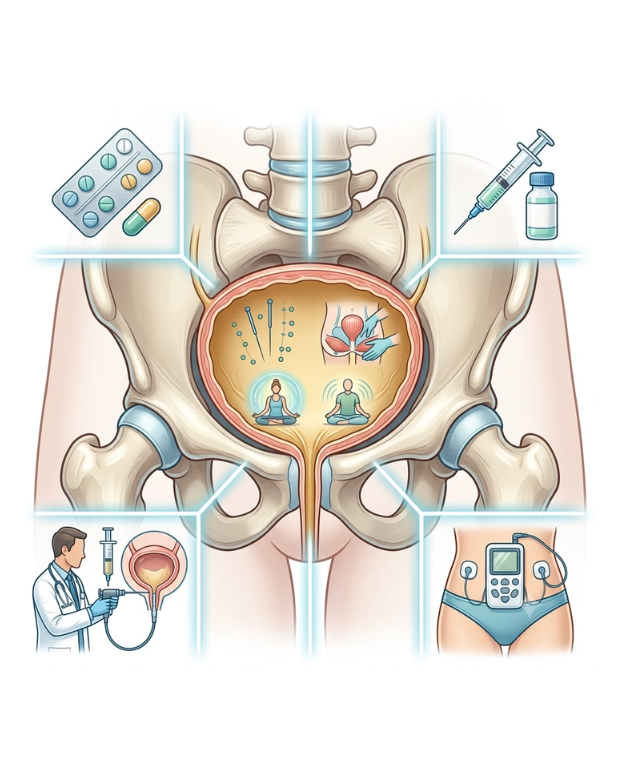
Medical cannabis is not considered a cure or primary treatment for bladder pain syndrome.
Treatment often focuses on symptom management and improving quality of life.
1. Dietary Modifications
Certain foods and beverages may trigger symptoms. Common irritants include:
- Caffeine
- Alcohol
- Citrus fruits
- Artificial sweeteners
- Spicy foods
2. Physical Therapy
Pelvic floor physical therapy may help reduce muscle tension and improve bladder-related symptoms.
3. Oral Medications
Certain medications may help reduce bladder discomfort, urgency, or inflammation.
4. Bladder Treatments
Some patients benefit from bladder instillations or other specialized treatments administered by healthcare providers.
5. Stress Management
Stress does not cause BPS, but it can worsen symptom flares in many individuals.
Cannabis, if considered, should be viewed as adjunct symptom support alongside appropriate medical care, not as a replacement for treatment.
How Cannabis Interacts With the Body
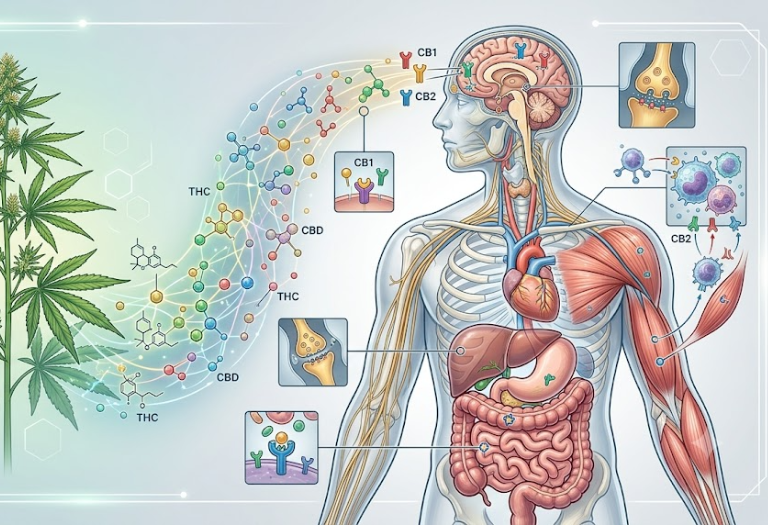
Cannabis interacts with the endocannabinoid system (ECS), a regulatory network involved in:
- Pain signaling
- Inflammation
- Stress response
- Sleep regulation
- Nervous system function
THC (Tetrahydrocannabinol)
- Psychoactive compound
- May reduce pain perception
- Can promote relaxation
- May improve sleep quality
- Higher doses may cause dizziness or anxiety
CBD (Cannabidiol)
- Non-intoxicating
- May support relaxation
- Has potential anti-inflammatory properties
- Often preferred for daytime symptom support
Responses vary significantly depending on the individual and symptom pattern.
Potential Benefits of Medical Cannabis for Bladder Pain Syndrome
While cannabis does not treat the underlying cause of BPS/IC, some individuals explore it for symptom support.
1. Chronic Pelvic Pain Relief
Persistent pelvic discomfort is one of the most challenging aspects of bladder pain syndrome. Cannabinoids may influence pain-signaling pathways and help some individuals feel more comfortable.
2. Urinary Urgency-Related Stress Support
Constant urgency can become emotionally draining. Some patients report that cannabis helps them feel calmer and less overwhelmed by symptom flare-ups.
3. Sleep Quality Improvement
Frequent nighttime urination can significantly disrupt sleep. Better sleep may improve overall resilience and quality of life.
4. Muscle Relaxation
Pelvic floor tension can contribute to discomfort in some individuals. Certain cannabinoid formulations may help promote relaxation.
5. Overall Quality of Life Support
Some patients report that symptom relief helps them participate more comfortably in work, social activities, and daily routines.
Current evidence remains limited, and symptom responses vary widely.
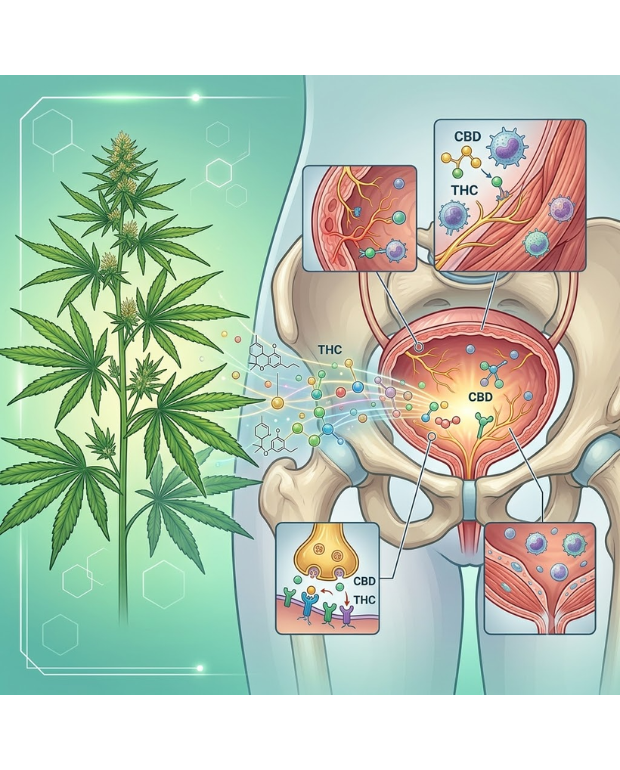
What Research Says About Cannabis and Bladder Pain Syndrome
Research specifically examining cannabis for bladder pain syndrome remains limited.
Most existing studies focus on:
- Chronic pelvic pain
- Neuropathic pain
- Inflammatory conditions
- Pain modulation through the endocannabinoid system
Why More Research Is Still Needed
Bladder pain syndrome is a complex condition that likely involves multiple biological mechanisms.
Researchers continue studying:
Researchers continue studying:
- The role of cannabinoid receptors in bladder function
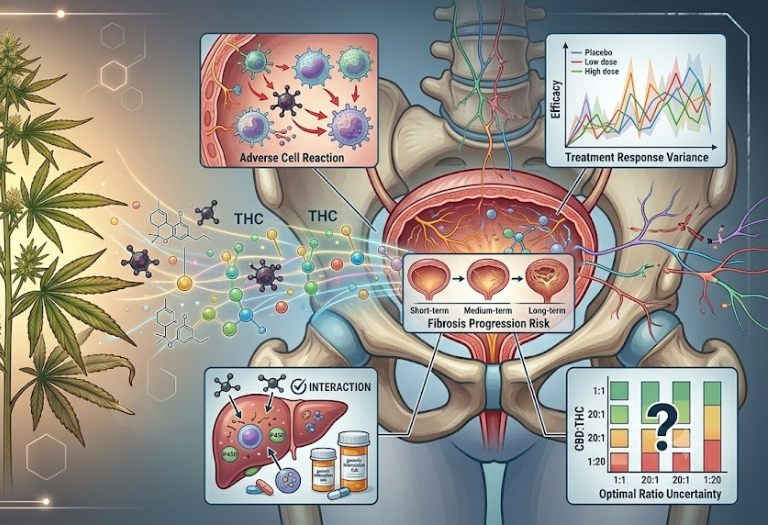
- Optimal THC:CBD ratios
- Effects on urinary symptoms
- Long-term safety
- Drug interactions
- Which patients may benefit most
More large-scale clinical studies are needed before definitive treatment recommendations can be established.
Risks and Considerations
Cannabis use in bladder pain syndrome should be approached carefully.
1. Cognitive Effects: High-THC products may cause dizziness, impaired concentration, or slowed reaction times.
2. Dependency Risk: Regular long-term use may increase the risk of cannabis use disorder in some individuals.
3. Psychological Effects High doses of THC may worsen anxiety in sensitive individuals.
4. Medication Interactions: Cannabinoids may interact with medications used for pain, sleep, anxiety, or bladder symptoms.
5. Symptom Variability: Not every patient experiences symptom improvement, and responses can differ significantly.
1. Cognitive Effects: High-THC products may cause dizziness, impaired concentration, or slowed reaction times.
2. Dependency Risk: Regular long-term use may increase the risk of cannabis use disorder in some individuals.
3. Psychological Effects High doses of THC may worsen anxiety in sensitive individuals.
4. Medication Interactions: Cannabinoids may interact with medications used for pain, sleep, anxiety, or bladder symptoms.
5. Symptom Variability: Not every patient experiences symptom improvement, and responses can differ significantly.
Safer Cannabis Use Strategies for Bladder Pain Syndrome
If medical cannabis is included as part of a symptom management plan:
1. Start Low and Go Slow: Begin with low doses and gradually monitor symptom response.
2. Consider Balanced or CBD-Dominant Products: These may provide symptom support while minimizing unwanted psychoactive effects.
3. Use Controlled Delivery Methods: Tinctures, capsules, and measured products may offer more consistent dosing.
4. Track Symptoms Carefully
Monitor:
1. Start Low and Go Slow: Begin with low doses and gradually monitor symptom response.
2. Consider Balanced or CBD-Dominant Products: These may provide symptom support while minimizing unwanted psychoactive effects.
3. Use Controlled Delivery Methods: Tinctures, capsules, and measured products may offer more consistent dosing.
4. Track Symptoms Carefully
Monitor:
- Pain levels
- Urinary frequency
- Sleep quality
- Stress levels
- Side effects
Professional guidance remains important throughout the process.
Cannabis and Bladder Pain Syndrome Medications
Cannabinoids may interact with medications used for:
- Pain management
- Sleep disorders
- Anxiety
- Bladder symptom control

FAQs
Can medical cannabis cure bladder pain syndrome?
No. Cannabis may help manage symptoms but does not cure bladder pain syndrome.
Can cannabis help pelvic pain?
Some individuals report reduced pelvic discomfort, though responses vary.
Can cannabis reduce urinary urgency?
Research remains limited, but some patients report improvements in symptom-related stress and discomfort.
Is CBD or THC better for bladder pain syndrome?
CBD may help with daytime symptom support, while THC may help more with pain and sleep.
Can cannabis help sleep problems caused by BPS?
Some individuals report improved sleep quality due to reduced discomfort.
Can cannabis replace bladder pain syndrome treatments?
No. Medical cannabis should not replace recommended treatment plans.
Can cannabis reduce inflammation in the bladder?
Research remains ongoing, and definitive conclusions have not been established.
Are there risks of medication interactions?
Yes. Cannabinoids may interact with certain medications.
Is smoking cannabis recommended?
Non-smoking methods are generally preferred for more controlled dosing.
Should I consult a healthcare provider before trying cannabis?
Yes. Professional guidance is strongly recommended.
When to Seek Immediate Medical Attention

Seek prompt medical care if you experience:
- Blood in the urine
- Severe pelvic pain
- Fever or signs of infection
- Sudden worsening urinary symptoms
- Inability to urinate
- Significant changes in bladder function
These symptoms may indicate conditions requiring immediate medical assessment.
Finding the Right Path to Pain Relief
Living with bladder pain syndrome can feel like constantly planning around symptoms — where the nearest restroom is, whether a flare-up will interrupt your day, or whether you’ll finally get a full night’s sleep.
For some individuals, medical cannabis may offer supportive relief for chronic pelvic pain, sleep disruption, stress, or overall discomfort when used alongside appropriate medical care.
At MSNM, patients connect with licensed medical marijuana providers who help evaluate symptoms, discuss treatment goals, and guide personalized cannabis recommendations when appropriate.
Because the goal isn’t simply managing another flare-up — it’s finding a path toward greater comfort, better rest, and more confidence in daily life.
And sometimes, the right guidance can help transform symptom management from something that feels limiting into something that feels more manageable, balanced, and hopeful over time.
For some individuals, medical cannabis may offer supportive relief for chronic pelvic pain, sleep disruption, stress, or overall discomfort when used alongside appropriate medical care.
At MSNM, patients connect with licensed medical marijuana providers who help evaluate symptoms, discuss treatment goals, and guide personalized cannabis recommendations when appropriate.
Because the goal isn’t simply managing another flare-up — it’s finding a path toward greater comfort, better rest, and more confidence in daily life.
And sometimes, the right guidance can help transform symptom management from something that feels limiting into something that feels more manageable, balanced, and hopeful over time.
Ready to find the
perfect strain for your needs?
Navigating the complexities of medical marijuana laws can be tricky, but with the right information, you can protect your privacy and your rights as a medical cannabis cardholder. At Marijuana Specialist Near Me, we make the process of obtaining a medical marijuana card straightforward, with online consultations and guidance through the legal landscape, ensuring you’re well informed about how your card can be used without compromising your privacy.
