
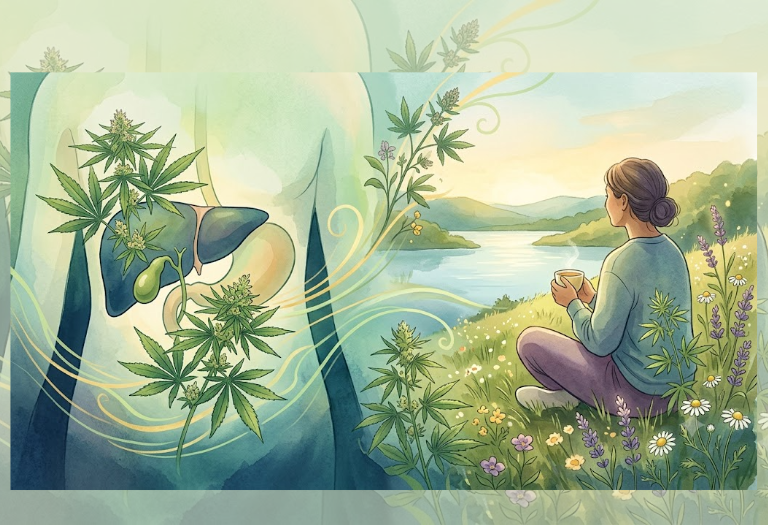
When Cancer Changes More Than Just Your Health
You may not think much about your gallbladder until something goes wrong.
For someone diagnosed with gallbladder cancer, however, everyday life can quickly change. Abdominal pain may become difficult to ignore. Nausea can make meals less appealing. Fatigue can make ordinary activities feel exhausting. If the cancer affects the bile ducts, jaundice and other complications may develop.
Gallbladder cancer is rare and can be difficult to detect early because it often does not cause noticeable symptoms in its initial stages. When symptoms do appear, they can resemble those of other digestive or gallbladder conditions.
Treatment depends on how far the cancer has spread and whether it can be removed surgically. Depending on the situation, treatment may involve surgery, radiation therapy, chemotherapy, targeted therapy, immunotherapy, or palliative procedures to relieve complications.
As patients manage the disease and the effects of treatment, some may begin looking for additional ways to support comfort and quality of life.
One question that may come up is:
Can medical cannabis help someone with gallbladder cancer?
Medical cannabis is not a cure for gallbladder cancer and has not been approved as a cancer treatment. However, certain cannabinoid medicines have been studied for symptoms associated with cancer and cancer treatment, particularly nausea and vomiting related to chemotherapy.
For some patients, cannabis may be discussed as a complementary option for symptom management. Whether it is appropriate depends on the individual’s cancer, treatment plan, medications, symptoms, and overall health.
What Is Gallbladder Cancer?
Gallbladder cancer begins when abnormal cells in the gallbladder grow uncontrollably.
The gallbladder is a small, pear-shaped organ located beneath the liver. Its primary role is to store bile, a digestive fluid produced by the liver. Bile travels from the gallbladder through the bile ducts and into the small intestine to help digest fats.
Gallbladder cancer is uncommon and is sometimes discovered unexpectedly after gallbladder surgery performed for another reason.
Because early gallbladder cancer may cause few or no obvious symptoms, the disease is sometimes diagnosed only after it has progressed.
- Common Symptoms of Gallbladder Cancer
- Symptoms can vary depending on the size and location of the tumor and whether the cancer has spread.
- Possible symptoms include:
- Pain in the upper abdomen
- Abdominal discomfort or cramping
- Nausea or vomiting
- Jaundice
- Fever
- Abdominal swelling or a lump
- Bloating
- Loss of appetite
- Unexplained weight loss
-
Jaundice can occur when a tumor blocks the bile ducts, causing bilirubin to accumulate in the blood.
These symptoms do not necessarily mean someone has gallbladder cancer. Many can also occur with gallstones, infections, or other digestive conditions.
How Is Gallbladder Cancer Diagnosed?
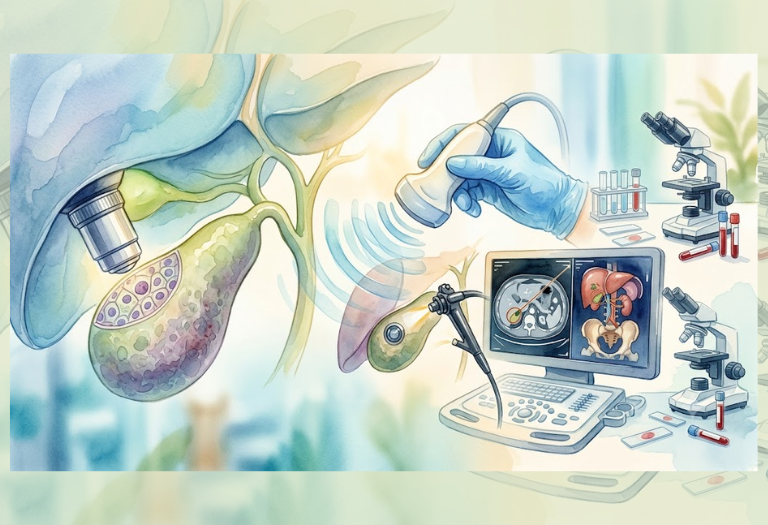
Diagnosing gallbladder cancer may involve several tests.
Doctors may use:
- Physical examination
- Blood chemistry and liver-function tests
- Ultrasound
- CT scans
- MRI or MRCP
- Other imaging procedures
- Biopsy in selected circumstances
- Surgical examination or pathology
How Is Gallbladder Cancer Treated?
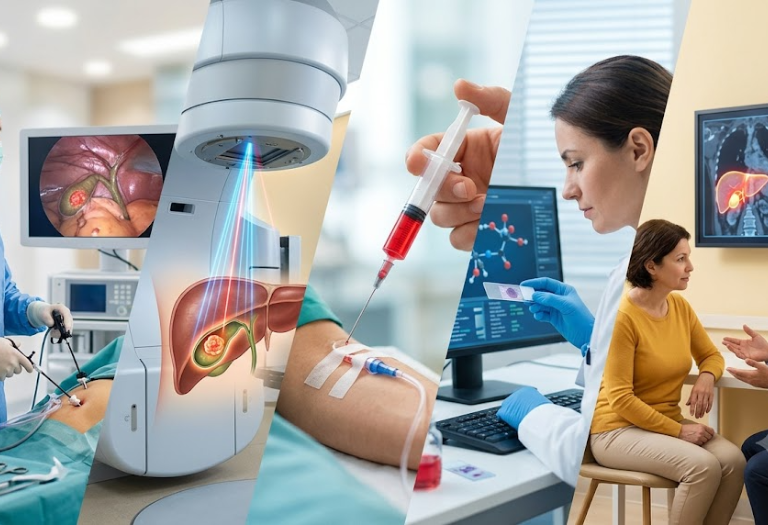
Treatment depends on the cancer’s stage, whether it can be removed, the type of cancer, whether it has returned, and the person’s overall health.
Surgery
When gallbladder cancer can be completely removed, surgery may involve removing the gallbladder and surrounding tissues. Depending on the disease, nearby lymph nodes or part of the liver may also need to be removed.
For advanced disease that cannot be completely removed, procedures may sometimes be used to relieve complications rather than eliminate the cancer.
Radiation Therapy
Radiation therapy may be used in selected cases to treat gallbladder cancer or help control symptoms.
For advanced disease, radiation may sometimes be used as palliative treatment to help manage problems caused by the cancer.
Chemotherapy
Chemotherapy may be used for gallbladder cancer that is locally advanced, unresectable, metastatic, or recurrent.
The specific treatment depends on the patient’s circumstances and the oncology team’s recommendations.
Targeted Therapy and Immunotherapy
Researchers continue to study targeted therapies and immunotherapies for advanced gallbladder cancer.
These treatments work differently from traditional chemotherapy and may be appropriate for selected patients based on the characteristics of their cancer.
Palliative Treatment
When gallbladder cancer causes complications such as blocked bile ducts, procedures such as biliary drainage or stent placement may help relieve symptoms.
Palliative treatment focuses on improving comfort and quality of life while managing complications of advanced disease.
Where Does Medical Cannabis Fit Into Gallbladder Cancer Care?
Medical cannabis should be viewed as a potential supportive option, not as a treatment for the cancer itself.
Cannabis contains cannabinoids such as THC and CBD that interact with receptors throughout the body and nervous system.
Researchers have studied cannabinoids in connection with several cancer-related symptoms, including:
The National Cancer Institute notes that cannabinoids have been studied for cancer symptoms and treatment-related side effects, while the FDA has not approved cannabis as a cancer treatment. Two cannabinoid medicines, dronabinol and nabilone, are FDA-approved for certain cases of chemotherapy-induced nausea and vomiting.
Cannabis contains cannabinoids such as THC and CBD that interact with receptors throughout the body and nervous system.
Researchers have studied cannabinoids in connection with several cancer-related symptoms, including:
- Pain
- Nausea and vomiting
- Loss of appetite
- Anxiety
- Sleep difficulties
The National Cancer Institute notes that cannabinoids have been studied for cancer symptoms and treatment-related side effects, while the FDA has not approved cannabis as a cancer treatment. Two cannabinoid medicines, dronabinol and nabilone, are FDA-approved for certain cases of chemotherapy-induced nausea and vomiting.
Can Medical Cannabis Help With Gallbladder Cancer Pain?
Pain can be one of the most difficult symptoms associated with advanced cancer.
Gallbladder cancer may cause abdominal pain directly, while surgery, treatment, inflammation, or cancer spread can also contribute to discomfort.
Some people use cannabis as part of a broader approach to pain management.
However, cannabis should not automatically replace established cancer pain treatments.
Cancer pain can have many causes, and an oncology or palliative-care team can determine whether prescription pain medication, radiation, nerve-pain treatment, procedures, or other approaches may be appropriate.
If cannabis is considered, it should be discussed as part of the overall pain-management plan.

Medical Cannabis and Nausea
Nausea and vomiting may occur because of gallbladder cancer itself or as a side effect of cancer treatment.
This is one area where cannabinoid medicines have been studied more extensively.
The National Cancer Institute reports that dronabinol and nabilone are FDA-approved for chemotherapy-related nausea and vomiting in patients who have not responded adequately to other anti-nausea treatments.
That does not mean every person with cancer will benefit from cannabis.
A doctor can help determine whether a cannabinoid-based treatment makes sense based on the cause and severity of nausea and the other medications being used.
Could Cannabis Help With Appetite?
Cancer and cancer treatment can sometimes reduce appetite.
THC may increase appetite in some individuals, which is one reason cannabis is sometimes discussed in cancer care.
But appetite stimulation alone does not address every cause of cancer-related weight loss.
Someone experiencing significant weight loss may also need:
THC may increase appetite in some individuals, which is one reason cannabis is sometimes discussed in cancer care.
But appetite stimulation alone does not address every cause of cancer-related weight loss.
Someone experiencing significant weight loss may also need:
- Nutritional assessment
- Calorie and protein support
- Treatment of nausea
- Management of pain
- Evaluation for digestive problems
- Treatment of the underlying cancer
Medical Cannabis and Anxiety
A cancer diagnosis can bring uncertainty, fear, and emotional stress.
Some patients consider cannabis because they hope it will help them relax.
The response can vary.
While some people may feel calmer after using cannabis, THC can also cause anxiety, paranoia, confusion, or other unwanted psychological effects, particularly in some individuals or at higher doses.
Anyone experiencing significant anxiety, depression, confusion, or emotional distress should discuss these symptoms with their healthcare team.
Can Cannabis Treat Gallbladder Cancer?
No.
This distinction is especially important when discussing medical cannabis and cancer.
Current evidence does not establish cannabis as a treatment that can:
Research into cannabinoids and cancer continues, but supportive symptom management should not be confused with treatment of the cancer itself.
This distinction is especially important when discussing medical cannabis and cancer.
Current evidence does not establish cannabis as a treatment that can:
- Cure gallbladder cancer
- Eliminate gallbladder tumors
- Stop cancer from spreading
- Replace chemotherapy
- Replace radiation therapy
- Replace surgery
- Guarantee longer survival
Research into cannabinoids and cancer continues, but supportive symptom management should not be confused with treatment of the cancer itself.
Drug Interactions Are Important
Cancer patients may take several medications at the same time.
These may include:
These may include:
- Chemotherapy
- Immunotherapy
- Targeted therapy
- Prescription pain medications
- Anti-nausea medications
- Steroids
- Blood thinners
- Sleep medications
- Antidepressants
- Other prescription or over-the-counter medicines

Cannabis and cannabinoids can affect the body in ways that may interact with other medications.
The National Cancer Institute also notes possible adverse effects including dizziness, drowsiness, low blood pressure, fast heartbeat, and slower digestion.
Before using medical cannabis, patients should provide their healthcare professional with a complete list of their medications and supplements.
Before using medical cannabis, patients should provide their healthcare professional with a complete list of their medications and supplements.
What About Smoking Cannabis?
The method of cannabis administration matters.
Smoking involves inhaling combustion products and may not be appropriate for everyone, particularly people with respiratory disease or other conditions that make inhalation undesirable.
Medical cannabis does not necessarily mean smoking marijuana.
Depending on state law and medical circumstances, patients may have access to different formulations and routes of administration.
A qualified physician can discuss the potential risks and benefits of available options.
Medical Cannabis During Chemotherapy
If you are receiving chemotherapy, talk with your oncology team before using cannabis.
Chemotherapy regimens can involve multiple medications, and adding another substance may create interaction or side-effect concerns.
Cannabinoid medicines may have a role in certain cases of chemotherapy-induced nausea and vomiting, but that does not mean cannabis is appropriate for everyone receiving chemotherapy.
Your oncology team can help determine whether an approved anti-nausea medication, a cannabinoid medicine, or another approach is appropriate.
Medical Cannabis and Palliative Care
Palliative care focuses on improving quality of life for people living with serious illness.
For someone with advanced gallbladder cancer, palliative care may address:
- Pain
- Nausea
- Appetite changes
- Fatigue
- Sleep problems
- Emotional distress
- Digestive symptoms
- Treatment side effects
- Biliary obstruction and related symptoms
Questions to Ask Before Using Medical Cannabis
If you have gallbladder cancer and are considering medical cannabis, ask your healthcare provider:
- Could cannabis interact with my cancer medications?
- Could it increase drowsiness from my pain medication?
- What symptom are we trying to manage?
- Are there other treatments that may be more appropriate?
- Which form of cannabis would be safest for me?
- Should I avoid inhaled cannabis?
- Could cannabis affect my appetite or digestion?
- Could it affect my blood pressure or heart rate?
- Should my oncologist coordinate with my medical marijuana physician?
- Is medical cannabis legally available for my condition in my state?
Is Gallbladder Cancer a Qualifying Condition for Medical Marijuana?
Medical marijuana eligibility depends on state law.
Marijuana Specialist Near Me currently lists Gallbladder Cancer among conditions for its Florida medical marijuana program.
However, being listed as a qualifying condition does not mean that every patient automatically receives approval.
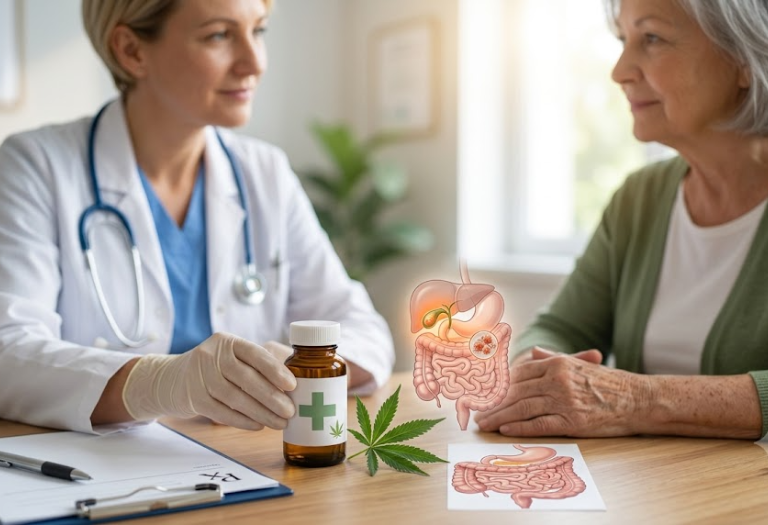
A patient still needs to meet the applicable state requirements and undergo an evaluation by an authorized medical marijuana physician.
Because medical marijuana laws can change, patients should verify the current requirements in their state.
FAQs
Can medical cannabis cure gallbladder cancer?
No. Cannabis has not been established as a cure or treatment for gallbladder cancer. It should not replace surgery, chemotherapy, radiation, targeted therapy, immunotherapy, or other cancer-directed treatment.
Can cannabis help with gallbladder cancer pain?
Cannabis may be considered as part of a broader approach to symptom management, but evidence specific to gallbladder cancer pain is limited. Pain should be evaluated by an oncology or palliative-care professional.
Can medical cannabis help with chemotherapy nausea?
Certain cannabinoid medicines are FDA-approved for chemotherapy-induced nausea and vomiting in patients who have not responded adequately to other anti-nausea medications.
Can cannabis increase appetite during cancer treatment?
THC may increase appetite in some people. However, significant cancer-related weight loss should be evaluated by the oncology team and may require nutritional support.
Can cannabis interact with cancer medications?
Potentially. Cancer patients often take multiple medications, and cannabis or cannabinoids can cause side effects or interact with other drugs. Discuss cannabis use with your oncology team before starting it.
Is smoking marijuana safe during cancer treatment?
Smoking cannabis exposes the lungs to smoke and combustion products. Whether inhaled cannabis is appropriate depends on the individual’s health and treatment circumstances. A healthcare professional can discuss alternative routes when appropriate.
Does gallbladder cancer always require surgery?
Not necessarily. Treatment depends on the stage and whether the cancer can be completely removed. Advanced or metastatic disease may require systemic treatment and procedures designed to control symptoms or complications.
Is gallbladder cancer a qualifying condition for medical marijuana in Florida?
Marijuana Specialist Near Me currently lists gallbladder cancer among conditions for its Florida medical marijuana program. Patients still need to meet applicable state requirements and receive an evaluation from a qualified physician.
Supporting Quality of Life During Gallbladder Cancer

Gallbladder cancer can affect far more than the gallbladder itself.
Pain, nausea, appetite changes, fatigue, digestive symptoms, and the effects of cancer treatment can all affect everyday life.
Medical cannabis may be something some patients want to discuss as part of supportive care. Research suggests that certain cannabinoids may help with specific cancer-related symptoms, particularly chemotherapy-induced nausea and vomiting, but cannabis has not been established as a treatment or cure for gallbladder cancer.
If you are considering medical cannabis, speak with your oncology team and a qualified medical marijuana physician. They can consider your cancer treatment, current medications, symptoms, and overall health before determining whether cannabis has an appropriate role in your care.
Medical Disclaimer
This article is for educational purposes only and is not a substitute for professional medical advice, diagnosis, or treatment. Gallbladder cancer requires individualized care from qualified oncology professionals. Do not stop, delay, or change cancer treatment because of information about medical cannabis. Cannabis may not be appropriate for everyone and can interact with medications. Medical marijuana eligibility and laws vary by state.
Ready to find the
perfect strain for your needs?
Navigating the complexities of medical marijuana laws can be tricky, but with the right information, you can protect your privacy and your rights as a medical cannabis cardholder. At Marijuana Specialist Near Me, we make the process of obtaining a medical marijuana card straightforward, with online consultations and guidance through the legal landscape, ensuring you’re well informed about how your card can be used without compromising your privacy.
