

When Eating and Drinking Become Difficult
Eating is something most people rarely have to think about.
For someone living with esophageal cancer, however, something as simple as swallowing food or drinking water can become difficult.
Esophageal cancer develops in the esophagus, the muscular tube that carries food from the throat to the stomach. Depending on its location and stage, the cancer can cause difficulty swallowing, painful swallowing, chest discomfort, weight loss, heartburn, coughing, or other symptoms.
Treatment may involve surgery, radiation therapy, chemotherapy, targeted therapy, immunotherapy, or combinations of these approaches. The treatment plan depends on the type and stage of the cancer and the person’s overall health.
As patients manage both the disease and the effects of treatment, they may also look for ways to improve comfort and quality of life.
One question that may come up is:
Can medical cannabis help someone with esophageal cancer?
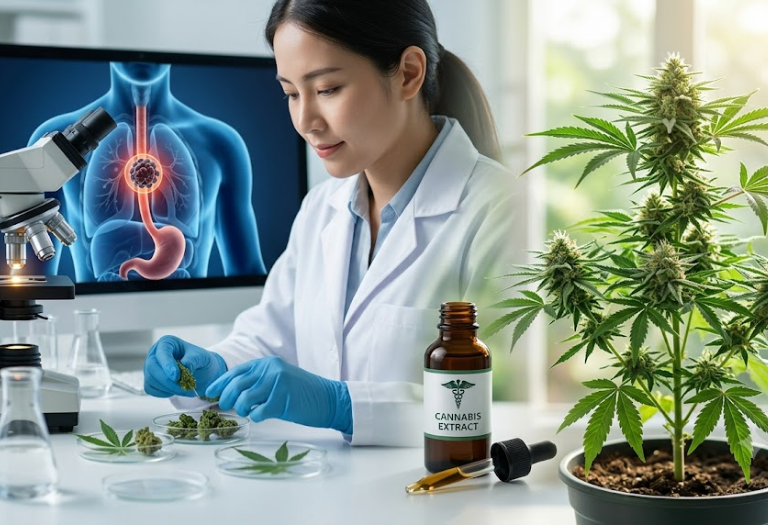
Medical cannabis is not a cure for esophageal cancer and should not replace cancer-directed treatment. However, certain cannabinoids have been studied for symptoms associated with cancer and cancer treatment, particularly chemotherapy-related nausea and vomiting.
For some patients, cannabis may be discussed as a complementary option for symptom management. Whether it is appropriate depends on the person’s symptoms, medications, cancer treatment, and overall health.
What Is Esophageal Cancer?
Esophageal cancer begins when abnormal cells develop in the tissues of the esophagus.
The two most common types are:
- Squamous cell carcinoma, which begins in the cells lining the esophagus
- Adenocarcinoma, which develops from glandular cells and commonly occurs in the lower portion of the esophagus
- Common Symptoms of Esophageal Cancer
- Possible symptoms include:
- Difficulty swallowing
- Painful swallowing
- Unexplained weight loss
- Chest pain or pressure
- Heartburn or indigestion
- Persistent cough
- Hoarseness
- Vomiting
- Food becoming stuck in the throat or chest
- Loss of appetite
-
Difficulty swallowing, also called dysphagia, is one of the most common symptoms.
However, these symptoms can also occur with conditions that are not cancer. Persistent or worsening swallowing difficulties should be evaluated by a healthcare professional.
How Is Esophageal Cancer Diagnosed?
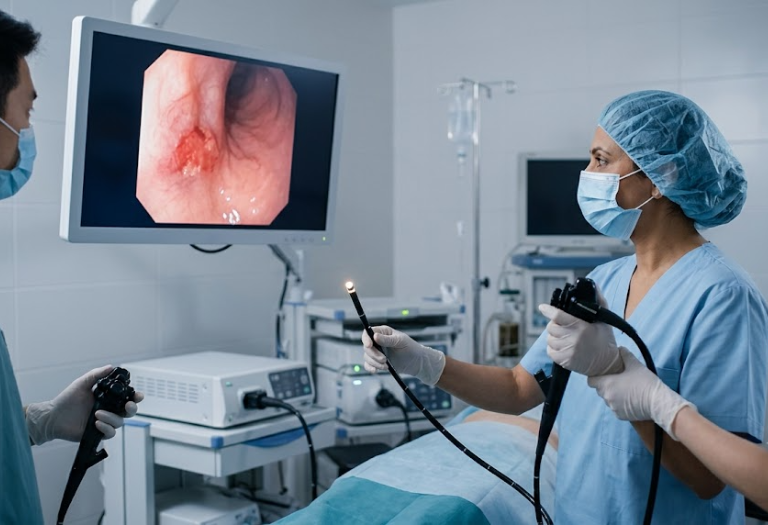
Doctors may use several tests to diagnose and stage esophageal cancer.
These may include:
- Medical history and physical examination
- Upper endoscopy
- Biopsy
- Imaging scans
- Endoscopic ultrasound
- PET scans
- CT scans
- Other staging tests
How Is Esophageal Cancer Treated?
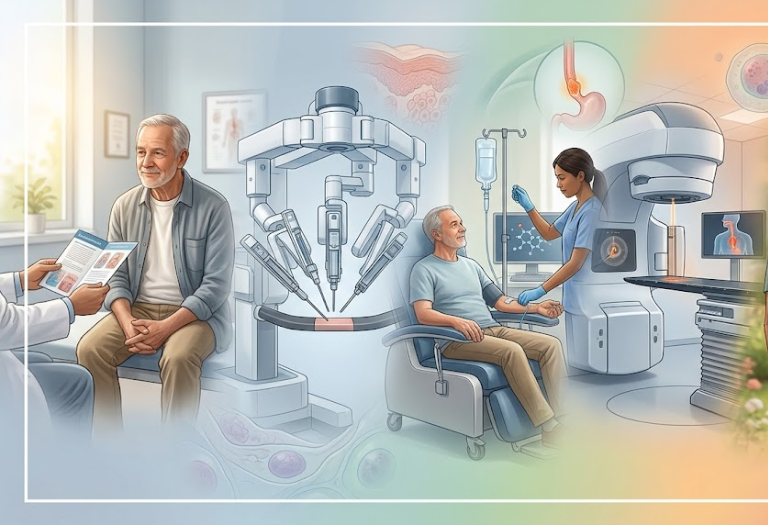
Treatment depends on factors such as the cancer’s stage, location, type, whether it can be removed surgically, and the person’s overall health.
Surgery
Surgery may be an option for some people with localized or locally advanced esophageal cancer.
An operation may involve removing part of the esophagus and reconnecting the remaining esophagus with the stomach.
Not everyone is a candidate for surgery, particularly when the cancer has spread extensively.
An operation may involve removing part of the esophagus and reconnecting the remaining esophagus with the stomach.
Not everyone is a candidate for surgery, particularly when the cancer has spread extensively.
Radiation Therapy
Radiation uses high-energy radiation to destroy cancer cells.
It may be used alone in selected situations or combined with chemotherapy before or after surgery. Radiation can also sometimes be used to relieve symptoms caused by advanced cancer.
It may be used alone in selected situations or combined with chemotherapy before or after surgery. Radiation can also sometimes be used to relieve symptoms caused by advanced cancer.
Chemotherapy
Chemotherapy may be used for gallbladder cancer that is locally advanced, unresectable, metastatic, or recurrent.
The specific treatment depends on the patient’s circumstances and the oncology team’s recommendations.
Targeted Therapy
Some esophageal cancers contain molecular characteristics that may make them candidates for targeted therapies.
Testing the tumor can help doctors determine whether a particular targeted treatment may be appropriate.
Immunotherapy
Immunotherapy helps the immune system recognize and attack cancer cells.
It may be used for certain people with advanced or recurrent esophageal cancer depending on the characteristics of the tumor and previous treatment.
Palliative Treatment
When esophageal cancer causes significant swallowing problems or has spread to other parts of the body, treatment may focus partly on improving comfort and quality of life.
Procedures such as esophageal stenting may sometimes help keep the esophagus open when a tumor makes swallowing difficult.
Palliative care can also help address pain, nausea, nutrition, emotional distress, and other symptoms.
Procedures such as esophageal stenting may sometimes help keep the esophagus open when a tumor makes swallowing difficult.
Palliative care can also help address pain, nausea, nutrition, emotional distress, and other symptoms.
Where Does Medical Cannabis Fit Esophageal Cancer Care?
Medical cannabis should be viewed as a potential supportive option, not as a treatment for esophageal cancer.
Cannabis contains cannabinoids such as THC and CBD that interact with the body’s endocannabinoid system.
Researchers have studied cannabinoids for several cancer-related symptoms, including:
The National Cancer Institute notes that cannabinoids have been investigated for cancer-related symptoms and treatment side effects, while cannabis itself has not been established as a cancer treatment.
Two cannabinoid medications, dronabinol and nabilone, are FDA-approved for certain patients with chemotherapy-induced nausea and vomiting who have not responded adequately to standard anti-nausea treatment.
Cannabis contains cannabinoids such as THC and CBD that interact with the body’s endocannabinoid system.
Researchers have studied cannabinoids for several cancer-related symptoms, including:
- Nausea and vomiting
- Pain
- Appetite changes
- Sleep difficulties
- Anxiety
The National Cancer Institute notes that cannabinoids have been investigated for cancer-related symptoms and treatment side effects, while cannabis itself has not been established as a cancer treatment.
Two cannabinoid medications, dronabinol and nabilone, are FDA-approved for certain patients with chemotherapy-induced nausea and vomiting who have not responded adequately to standard anti-nausea treatment.
Can Medical Cannabis Help With Esophageal Cancer Pain?
Pain can occur because of the tumor itself, cancer treatment, surgery, inflammation, or cancer that has spread to other areas.
Some people use cannabis as part of a broader approach to pain management.
However, research specifically examining cannabis for esophageal cancer pain is limited.
Cancer pain should be evaluated according to its cause and severity. Depending on the situation, treatment may include prescription pain medication, radiation, procedures, physical therapy, or other approaches.
If cannabis is considered, it should be used as part of a coordinated pain-management plan rather than as a replacement for necessary treatment.
Medical Cannabis and Chemotherapy-Related Nausea
Nausea and vomiting can be significant side effects of some cancer treatments.
This is one of the areas in which cannabinoid medications have been studied more extensively.
Dronabinol and nabilone are approved for certain cases of chemotherapy-induced nausea and vomiting when standard anti-nausea medications have not provided adequate relief.
However, not every person receiving chemotherapy needs or benefits from cannabinoid therapy.
A healthcare professional can determine whether a cannabinoid-based medication or another anti-nausea treatment is appropriate.
Could Cannabis Help With Appetite?
Maintaining adequate nutrition can be difficult for some people with esophageal cancer.
Difficulty swallowing, nausea, changes in taste, pain, and treatment side effects can all affect food intake.
THC may increase appetite in some individuals, which is one reason cannabis is sometimes discussed in cancer care.
But increasing appetite does not solve the mechanical difficulty caused by an esophageal tumor.
Someone who is struggling to swallow or losing weight may need evaluation by an oncology team, dietitian, speech-language professional, or other specialist.
Nutritional support can be particularly important during cancer treatment.
Cannabis and Sleep During Cancer Treatment
Cancer-related pain, anxiety, treatment schedules, and medication side effects can interfere with sleep.
Some people report feeling more relaxed or sleepy after cannabis use.
However, cannabis may also cause:
- Drowsiness
- Dizziness
- Impaired concentration
- Changes in perception
- Anxiety in some individuals
Medical Cannabis and Anxiety
A cancer diagnosis can bring fear, uncertainty, and emotional stress.
Some patients consider cannabis because they hope it will help them relax.
The response can vary.
While some people may experience relaxation, THC can also cause anxiety, paranoia, confusion, or other unwanted effects, particularly at higher doses.
Anyone experiencing significant anxiety, depression, or emotional distress should discuss those symptoms with their healthcare team.
Counseling, behavioral support, medications, and cancer-support programs may also be available.
Can Cannabis Treat Esophageal Cancer?
No.
Medical cannabis has not been established as a treatment or cure for esophageal cancer.
It should not be used with the expectation that it will:
Medical cannabis has not been established as a treatment or cure for esophageal cancer.
It should not be used with the expectation that it will:
- Eliminate an esophageal tumor
- Cure esophageal cancer
- Prevent cancer from spreading
- Replace chemotherapy
- Replace radiation therapy
- Replace surgery
- Replace immunotherapy
- Guarantee longer survival
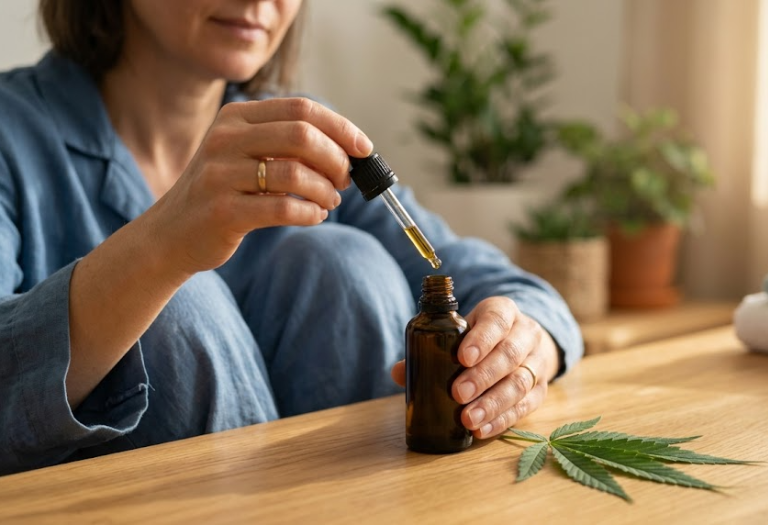
Cannabis and cannabinoids continue to be studied in cancer research, but symptom management should not be confused with cancer-directed treatment.
Your oncology team should remain responsible for decisions about treating the cancer itself.
Your oncology team should remain responsible for decisions about treating the cancer itself.
Difficulty Swallowing Requires Special Attention
Esophageal cancer creates an important issue that is different from many other cancers: swallowing difficulty.
If food or liquid is becoming difficult to swallow, cannabis should not be used to simply mask the problem.
Progressive dysphagia can lead to:
New or rapidly worsening swallowing problems should be reported to a healthcare professional.
If food or liquid is becoming difficult to swallow, cannabis should not be used to simply mask the problem.
Progressive dysphagia can lead to:
- Poor nutrition
- Dehydration
- Weight loss
- Food becoming stuck
- Aspiration
- Reduced ability to tolerate treatment
New or rapidly worsening swallowing problems should be reported to a healthcare professional.
Drug Interactions Are Important
People with esophageal cancer may take several medications at once.
These may include:
Before using medical cannabis, provide your healthcare team with a complete list of medications and supplements.
This is particularly important during active cancer treatment.
These may include:
- Chemotherapy
- Immunotherapy
- Targeted therapies
- Prescription pain medication
- Anti-nausea medication
- Steroids
- Blood thinners
- Sleep medications
- Antidepressants
- Anti-anxiety medications
- Other prescription or over-the-counter medicines
Before using medical cannabis, provide your healthcare team with a complete list of medications and supplements.
This is particularly important during active cancer treatment.
What About Smoking Cannabis?
The route of administration matters.
Smoking cannabis exposes the lungs to smoke and combustion products and may not be appropriate for everyone.
People with cancer may also have other factors that make inhaled products undesirable, including lung disease, respiratory symptoms, or treatment-related complications.
Medical cannabis does not necessarily mean smoking marijuana.
Depending on state law and individual medical circumstances, other formulations may be available.
A qualified physician can help determine whether a particular route is appropriate.
Medical Cannabis During Chemotherapy or Radiation
If you are receiving chemotherapy or radiation therapy, talk with your oncology team before starting cannabis.
Cancer treatment can involve several medications and supportive treatments, and adding cannabis may create additional interaction or side-effect concerns.
Cannabinoid medicines may be appropriate for certain cases of chemotherapy-induced nausea and vomiting, but this does not mean cannabis is appropriate for every patient.
Your oncology team can help determine which symptom-management options make the most sense for your treatment plan.
Medical Cannabis and Palliative Care
Palliative care focuses on improving comfort and quality of life for people living with serious illness.
For someone with advanced esophageal cancer, palliative care may address:
It should not replace oncology treatment, nutritional care, swallowing support, or specialized palliative care.
For someone with advanced esophageal cancer, palliative care may address:
- Pain
- Difficulty swallowing
- Nausea
- Appetite changes
- Weight loss
- Fatigue
- Sleep difficulties
- Anxiety
- Treatment side effects
It should not replace oncology treatment, nutritional care, swallowing support, or specialized palliative care.
Questions to Ask Before Using Medical Cannabis
If you have esophageal cancer and are considering medical cannabis, ask your healthcare provider:
- Could cannabis interact with my cancer medications?
- Could it increase drowsiness from my pain medications?
- What specific symptom are we trying to manage?
- Could cannabis affect my swallowing or coordination?
- Should I avoid smoking or inhaled cannabis?
- Which formulation may be safest for me?
- Could cannabis affect my appetite or digestion?
- Could it affect my blood pressure or heart rate?
- Should my oncologist coordinate with my medical marijuana physician?
- Is medical cannabis legally available for my condition in my state?
Is Esophageal Cancer a Qualifying Condition for Medical Marijuana?
Medical marijuana eligibility depends on state law.
Qualifying conditions, documentation requirements, physician certification, and permitted cannabis products vary by state.
Patients with esophageal cancer should check their state’s current medical marijuana regulations and discuss their diagnosis and treatment history with an authorized physician.
A cancer diagnosis does not automatically guarantee eligibility in every state.

FAQs
Can medical cannabis cure esophageal cancer?
No. Medical cannabis has not been established as a cure or cancer treatment. It should not replace surgery, chemotherapy, radiation, immunotherapy, targeted therapy, or other cancer-directed treatment.
Can medical cannabis help with esophageal cancer pain?
Cannabis may be considered as part of supportive symptom management, but evidence specifically involving esophageal cancer pain is limited. Pain should be evaluated by an oncology or palliative-care professional.
Can cannabis help with chemotherapy nausea?
Certain cannabinoid medications, including dronabinol and nabilone, are FDA-approved for certain cases of chemotherapy-induced nausea and vomiting when standard treatments have not provided sufficient relief.
Can cannabis improve appetite during esophageal cancer treatment?
THC may increase appetite in some people. However, appetite stimulation does not correct swallowing difficulties or nutritional problems caused by an esophageal tumor. Patients experiencing weight loss should speak with their cancer-care team.
Can cannabis interact with chemotherapy?
Potentially. Cancer patients may take several medications, and cannabinoids can affect medication metabolism or increase certain side effects. Always discuss cannabis with your oncology team before using it.
Is smoking marijuana safe for someone with esophageal cancer?
Smoking cannabis exposes the lungs to smoke and combustion products. Whether inhaled cannabis is appropriate depends on the person’s overall health and treatment circumstances. Other formulations may be available.
Can medical cannabis help with difficulty swallowing?
There is no established evidence that cannabis treats the mechanical swallowing difficulty caused by an esophageal tumor. Dysphagia should be evaluated by the cancer-care team because it can contribute to dehydration, malnutrition, and aspiration.
Does esophageal cancer always require surgery?
No. Treatment depends on the cancer’s type, location, stage, whether it can be removed, and the person’s overall health. Some patients receive combinations of chemotherapy, radiation, surgery, immunotherapy, or targeted treatment.
Can someone with esophageal cancer get a medical marijuana card?
Eligibility depends on state law. Patients should review their state’s current requirements and undergo an evaluation by an authorized medical marijuana physician.
Supporting Quality of Life During Esophageal Cancer

Esophageal cancer can affect some of the most basic parts of daily life, particularly eating, drinking, swallowing, and maintaining adequate nutrition.
Medical cannabis may be something some patients want to discuss as part of supportive care, particularly when symptoms such as pain, nausea, appetite changes, or sleep difficulties are affecting quality of life.
However, cannabis should not be viewed as a treatment for the cancer itself.
The strongest established role for cannabinoid medicines in cancer care is related to certain cases of chemotherapy-induced nausea and vomiting, while research into other potential uses continues.
If you are considering medical cannabis, speak with your oncology team and a qualified medical marijuana physician. They can review your cancer treatment, medications, symptoms, and overall health before determining whether cannabis may have a reasonable role in your care.
Medical Disclaimer
This article is for educational purposes only and is not a substitute for professional medical advice, diagnosis, or treatment. Esophageal cancer requires individualized care from qualified oncology professionals. Do not stop, delay, or modify cancer treatment because of information about medical cannabis. Cannabis may not be appropriate for everyone and can interact with medications. New or worsening difficulty swallowing, inability to keep fluids down, severe chest pain, breathing problems, or other serious symptoms should receive prompt medical attention. Medical marijuana eligibility and laws vary by state.
Ready to find the
perfect strain for your needs?
Navigating the complexities of medical marijuana laws can be tricky, but with the right information, you can protect your privacy and your rights as a medical cannabis cardholder. At Marijuana Specialist Near Me, we make the process of obtaining a medical marijuana card straightforward, with online consultations and guidance through the legal landscape, ensuring you’re well informed about how your card can be used without compromising your privacy.
