
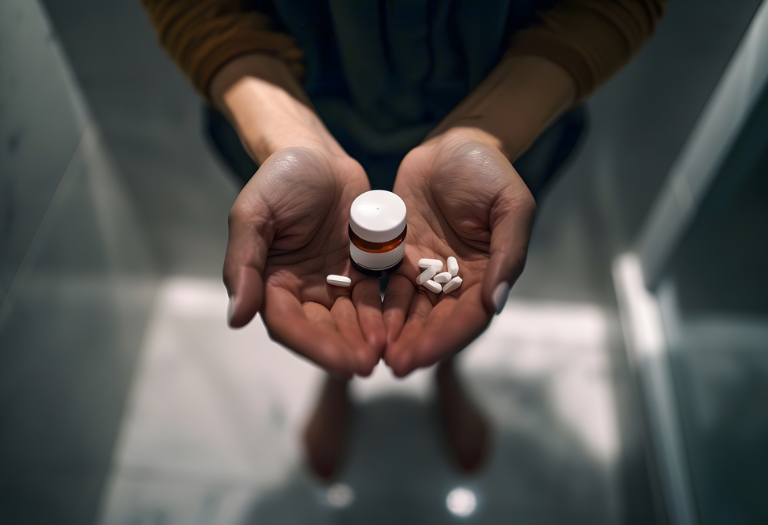
When Pain Relief Turns Into a Trap
It usually doesn’t start with “addiction.”
It starts with a surgery. A back injury. A dental procedure. A prescription that finally makes the pain stop—until it doesn’t.
Then the dose climbs. The refill comes sooner. Life quietly shrinks into two questions: “Do I have enough?” and “What happens when I don’t?”
Opioid dependency doesn’t just hijack the body—it rewires motivation, sleep, mood, and the brain’s reward system. And for many people, the hardest part isn’t quitting. It’s surviving what comes after quitting: withdrawal, anxiety, insomnia, pain flares, and cravings that hit like a wave.
That’s why medical cannabis is showing up more often in recovery conversations—not as a miracle cure, but as a possible support tool that helps some people stay steady while they rebuild.
Then the dose climbs. The refill comes sooner. Life quietly shrinks into two questions: “Do I have enough?” and “What happens when I don’t?”
Opioid dependency doesn’t just hijack the body—it rewires motivation, sleep, mood, and the brain’s reward system. And for many people, the hardest part isn’t quitting. It’s surviving what comes after quitting: withdrawal, anxiety, insomnia, pain flares, and cravings that hit like a wave.
That’s why medical cannabis is showing up more often in recovery conversations—not as a miracle cure, but as a possible support tool that helps some people stay steady while they rebuild.
What Opioid Dependency Really Means
Opioid dependency happens when the body adapts to opioids (prescription or illicit) and begins to rely on them to function normally.
Dependency vs. Addiction (Quick clarity)
- Physical dependence: Your body has adapted; stopping causes withdrawal.
- Addiction (opioid use disorder): Continued use despite harm, cravings, loss of control, and compulsive behavior.
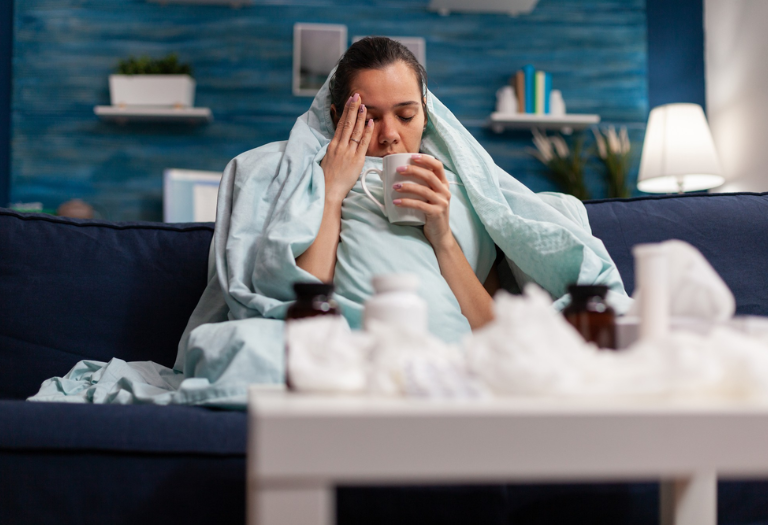
Common Signs and Symptoms
Opioid dependency can look like:
- Needing more to get the same effect (tolerance)
- Feeling sick, anxious, or restless without it (withdrawal)
- Using longer than intended
- Trouble sleeping, mood swings, irritability
- Hiding use or obsessing over the next dose
- Life revolving around obtaining or recovering from opioids
Traditional Treatments That Actually Work
Recovery is most successful when it’s medically guided. The most evidence-backed treatments include:
1) Medication-Assisted Treatment (MAT)
- Buprenorphine (Suboxone), Methadone, Naltrexone These help stabilize brain chemistry, reduce cravings, and lower overdose risk.
2) Therapy + Behavioral Support
- CBT, trauma-informed therapy, group counseling
- Support networks (SMART Recovery, NA, other structured programs)
3) Medical Detox (when needed)
Especially important if there are multiple substances involved, or high-dose opioid use. Medical cannabis—when used—should be considered adjunct support, not a replacement for MAT or professional care.Where Medical Cannabis Fits In
Cannabis works through the endocannabinoid system (ECS)—a network that helps regulate stress response, sleep, pain perception, mood, and appetite.
Those are the same areas that get hit hard during opioid withdrawal and early recovery.
Those are the same areas that get hit hard during opioid withdrawal and early recovery.
The two main players:
THC (tetrahydrocannabinol)
- Can reduce pain and nausea, stimulate appetite, support sleep
- Higher doses can increase anxiety or impairment in some people
CBD (cannabidiol)
- Non-intoxicating
- May reduce anxiety, support calm, and help with sleep regulation
- Often preferred for daytime function or people avoiding a “high”

Potential Benefits of Cannabis for Opioid Dependency
Research is still developing, but here’s where cannabis may help some people during tapering, withdrawal, or recovery—especially when supervised:
1) Withdrawal Symptom Relief
People commonly report cannabis helps ease:
Restlessness
Nausea and stomach discomfort
Muscle aches
Irritability and agitation
2) Sleep Support (the big one)
Withdrawal insomnia is brutal. Cannabis—especially balanced THC:CBD or CBD-forward products—may help some patients fall asleep and stay asleep.
3) Reduced Cravings for Some Patients
Some individuals report fewer opioid cravings when using cannabis strategically, particularly CBD-dominant products that support emotional regulation.
4) Pain Management Without Opioids
For people whose opioid use started with chronic pain, cannabis can sometimes become an alternative pain tool—reducing the pressure to “go back.”
Risks and Considerations
Cannabis isn’t risk-free—especially in a recovery context.
Key risks to be honest about
- Cannabis use disorder: dependency can shift substances rather than heal the pattern
- High-THC anxiety/paranoia: can worsen panic or dysphoria during withdrawal
- Impaired judgment: risky for people early in recovery or driving/working
- Motivation and cognition: heavy THC may dull focus and executive function
- Mixing substances: combining cannabis with alcohol, benzos, or sedatives can be dangerous
Safe-Use Tips
If a licensed clinician approves cannabis as part of a harm-reduction or symptom-support plan:
- Start low, go slow Especially with THC. Microdosing often works better than “strong” doses.
- Choose CBD-forward options first CBD can support calm without intoxication.
- Avoid smoking when possible Tinctures, capsules, or low-dose edibles are easier to dose and gentler on the lungs.
- Track your patterns Cravings, sleep quality, mood, and dosage. If use is escalating fast, that’s a red flag.
- Don’t replace professional care Cannabis may support recovery—but MAT, therapy, and medical oversight save lives.
Complementary Supports That Make Cannabis Work Better
Recovery outcomes improve when cannabis (if used) is paired with:
- Exercise (naturally supports dopamine balance)
- Structured sleep routine + sleep hygiene
- Nutrient support + hydration
- Mindfulness / breathwork for cravings
- CBT or trauma therapy (often the real root driver)
FAQs
Can cannabis cure opioid addiction?
No. It may support symptom relief, but it doesn’t replace evidence-based addiction treatment.
Can cannabis help with opioid withdrawal?
Some people report relief for nausea, sleep issues, pain, and irritability—responses vary widely.
Is CBD better than THC for dependency support?
Often yes. CBD is non-intoxicating and may help anxiety/cravings without impairment. THC can help sleep/pain but carries more risk.
Can cannabis replace Suboxone or methadone?
That’s not recommended. MAT has strong evidence for reducing relapse and overdose risk.
Can cannabis trigger relapse?
For some people, yes—especially if it increases impulsivity, anxiety, or leads to polysubstance use. This is why supervision matters.
What’s the safest way to use cannabis in recovery?
Low-dose, measured products; avoid high-THC; track usage; work with a qualified clinician.
A Realistic Role for Cannabis in Recovery
Opioid dependency is not a character flaw—it’s a survival response that got stuck in the body.
For some people, medical cannabis can be a bridge: helping them eat, sleep, calm down, manage pain, and stay stable enough to keep showing up for treatment.
But the goal isn’t “swap one for another.” The goal is freedom—and the safest path is always one that includes medical guidance, structure, and support.
For some people, medical cannabis can be a bridge: helping them eat, sleep, calm down, manage pain, and stay stable enough to keep showing up for treatment.
But the goal isn’t “swap one for another.” The goal is freedom—and the safest path is always one that includes medical guidance, structure, and support.
Ready to find the
perfect strain for your needs?
Navigating the complexities of medical marijuana laws can be tricky, but with the right information, you can protect your privacy and your rights as a medical cannabis cardholder. At Marijuana Specialist Near Me, we make the process of obtaining a medical marijuana card straightforward, with online consultations and guidance through the legal landscape, ensuring you’re well informed about how your card can be used without compromising your privacy.
