

Everyone has strange thoughts. But with Obsessive-Compulsive Disorder (OCD), the thought doesn’t just pass through — it sticks. It loops. It demands action.
Maybe it’s the fear that the door isn’t locked. Maybe it’s contamination. Maybe it’s a disturbing intrusive image you would never act on — but your brain insists you neutralize it anyway.
You check. You wash. You repeat. Temporary relief. Then the cycle begins again.
For people living with OCD, it’s not about being “quirky” or “extra organized.” It’s about a brain that struggles to turn off its internal alarm system. And as interest in alternative therapies grows, one question keeps surfacing:
Can medical cannabis help manage OCD symptoms — or could it make them worse?
Let’s look at the evidence carefully.
Maybe it’s the fear that the door isn’t locked. Maybe it’s contamination. Maybe it’s a disturbing intrusive image you would never act on — but your brain insists you neutralize it anyway.
You check. You wash. You repeat. Temporary relief. Then the cycle begins again.
For people living with OCD, it’s not about being “quirky” or “extra organized.” It’s about a brain that struggles to turn off its internal alarm system. And as interest in alternative therapies grows, one question keeps surfacing:
Can medical cannabis help manage OCD symptoms — or could it make them worse?
Let’s look at the evidence carefully.
Understanding OCD
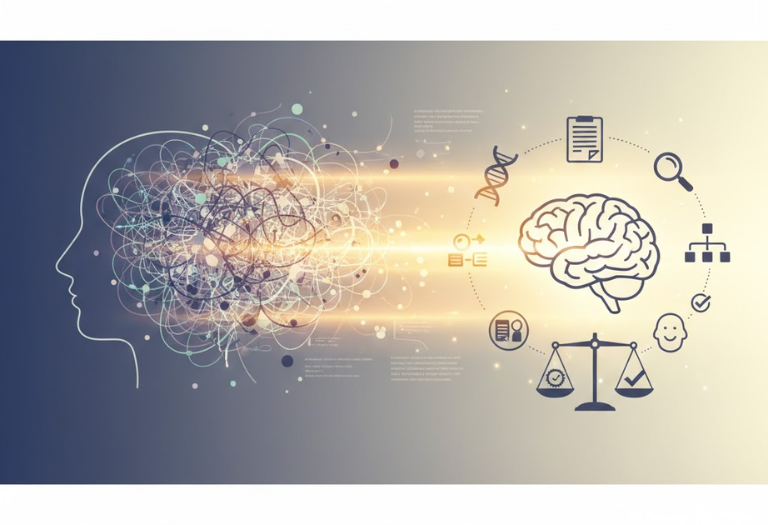
Obsessive-Compulsive Disorder (OCD) is a chronic mental health condition characterized by:
- Obsessions: intrusive, unwanted thoughts, urges, or mental images that cause distress
- Compulsions: repetitive behaviors or mental rituals performed to reduce anxiety caused by obsessions
- Serotonin pathways
- Cortico-striatal-thalamo-cortical (CSTC) circuits
- Stress response systems
Evidence-Based Treatment for OCD (First-Line Care)
Because OCD is a YMYL (Your Money or Your Life) condition impacting mental health and safety, it is critical to clarify:
Medical cannabis is not a first-line treatment for OCD.
The gold-standard treatments include:
Medical cannabis is not a first-line treatment for OCD.
The gold-standard treatments include:
1. Exposure and Response Prevention (ERP) Therapy
A structured form of Cognitive Behavioral Therapy (CBT) where patients gradually face triggers while resisting compulsions. ERP has the strongest evidence base for long-term symptom reduction.
2. Selective Serotonin Reuptake Inhibitors (SSRIs)
Often prescribed at higher doses than for depression. Examples include fluoxetine, sertraline, and fluvoxamine.
3. Psychiatric Supervision
For severe cases, augmentation strategies may include antipsychotic medications under medical guidance.
If OCD symptoms are severe, involve self-harm fears, or significantly impair functioning, immediate professional treatment is essential.
Medical cannabis, if considered, should only be explored as a complementary strategy under medical supervision.
If OCD symptoms are severe, involve self-harm fears, or significantly impair functioning, immediate professional treatment is essential.
Medical cannabis, if considered, should only be explored as a complementary strategy under medical supervision.
The Endocannabinoid System and OCD

Cannabis interacts with the endocannabinoid system (ECS) — a regulatory network involved in:
- Stress response
- Emotional processing
- Fear extinction
- Sleep regulation
- Neuroinflammation
Researchers have hypothesized that ECS modulation may influence anxiety-related disorders. Since OCD involves dysfunctional fear processing and hyperactive stress circuits, cannabinoids have attracted research interest.
The two primary compounds studied are:
The two primary compounds studied are:
THC (tetrahydrocannabinol)
- Psychoactive
- Binds to CB1 receptors in the brain
- Can reduce anxiety in low doses
- Can increase anxiety, paranoia, and intrusive thinking in higher doses
CBD (cannabidiol)
- Non-intoxicating
- Modulates serotonin (5-HT1A) receptors
- May reduce anxiety
- May support emotional regulation without producing a “high”
The clinical question is not whether cannabis affects the brain — it clearly does. The real question is how that interaction affects OCD symptoms specifically.
Potential Benefits of Medical Cannabis for OCD
While not a proven treatment, some individuals explore medical cannabis for symptom-related support.
1. Anxiety Regulation
OCD is deeply tied to anxiety. CBD, in particular, has shown promise in generalized anxiety disorders. Reduced physiological anxiety may indirectly reduce compulsive urgency for some individuals.
2. Sleep Improvement
Insomnia worsens OCD severity. Balanced THC-CBD formulations may support sleep onset and maintenance, improving overall symptom resilience.
3. Stress Reduction
Chronic stress amplifies obsessive loops. Some patients report improved stress tolerance with low-dose cannabinoid therapy.
4. Emotional Regulation
CBD’s interaction with serotonin receptors may support mood stabilization in patients with comorbid depression or anxiety.
It is important to note: these effects vary significantly between individuals.
It is important to note: these effects vary significantly between individuals.
Risks of Using Cannabis for OCD
For many patients, especially those prone to anxiety disorders, cannabis may pose meaningful risks.
1. THC-Induced Anxiety or Paranoia
High-THC strains can intensify racing thoughts, intrusive imagery, and hypervigilance — all core features of OCD.
2. Rumination Amplification
Cannabis may increase internal focus, potentially worsening obsessive thinking in some users.
3. Dependency Risk
Individuals with compulsive tendencies may be more vulnerable to developing cannabis use disorder if cannabis becomes a coping ritual.
4. Cognitive Impairment
Chronic high-dose THC use can impair working memory and executive function — potentially worsening checking or reassurance-seeking behaviors.
5. Mental Health Contraindications
Cannabis may exacerbate symptoms in individuals with:
- Bipolar disorder
- Psychosis spectrum disorders
- Severe panic disorder
Safer Cannabis Use Strategies for OCD Patients

If a licensed clinician determines medical cannabis may be appropriate as part of a broader treatment plan, harm-reduction principles are critical.
1. Prioritize CBD-Dominant Products
CBD is generally better tolerated for anxiety-related conditions.
2. Avoid High-THC Concentrates
High-potency products increase risk of psychological side effects.
3. Start Low, Go Slow
Microdosing allows careful monitoring of symptom changes.
4. Avoid Smoking
Tinctures, capsules, or controlled-dose edibles offer more predictable pharmacokinetics.
5. Track Symptom Patterns
Monitor:
- Intrusive thought frequency
- Compulsive behaviors
- Sleep quality
- Anxiety levels
Cannabis and OCD Medications: Drug Interactions
Cannabinoids are metabolized through liver enzymes (CYP450 pathways). They may interact with:
- SSRIs
- Antipsychotics
- Benzodiazepines
FAQs
Can medical cannabis cure OCD?
OCD is a chronic neuropsychiatric condition. Cannabis may offer supportive symptom relief for some individuals but is not curative.
Is CBD better than THC for OCD?
CBD is generally safer and less likely to worsen anxiety or intrusive thoughts.
Can cannabis worsen OCD?
Yes, especially high-THC products. Some individuals experience increased rumination or anxiety.
Is medical cannabis approved by the FDA for OCD?
No. There are currently no FDA-approved cannabis-based treatments for OCD.
Should I stop my SSRI if I try cannabis?
Never discontinue prescribed medication without medical supervision.
The Balanced Perspective

For individuals living with OCD, relief is deeply personal. Some find stability through ERP therapy. Others benefit from medication. A smaller subset explore adjunctive options like medical cannabis.
But the key takeaway — from a clinical and EEAT-aligned standpoint — is this:
Medical cannabis may help manage anxiety, sleep disturbance, or stress in some patients with OCD. However, it can also worsen symptoms in others.
It is not a replacement for evidence-based OCD treatment.
But the key takeaway — from a clinical and EEAT-aligned standpoint — is this:
Medical cannabis may help manage anxiety, sleep disturbance, or stress in some patients with OCD. However, it can also worsen symptoms in others.
It is not a replacement for evidence-based OCD treatment.
When to Seek Immediate Help
If OCD symptoms involve:
- Self-harm fears
- Suicidal ideation
- Severe functional impairment
- Panic attacks
Choose Real Relief That Lasts
OCD thrives on uncertainty.So does misinformation.The goal isn’t to chase quick relief — it’s to build stability safely, thoughtfully, and with medical guidance.
If cannabis becomes part of that journey, it should be done carefully, legally, and under professional supervision.
Because when it comes to your brain, precision matters.
If cannabis becomes part of that journey, it should be done carefully, legally, and under professional supervision.
Because when it comes to your brain, precision matters.
Ready to find the
perfect strain for your needs?
Navigating the complexities of medical marijuana laws can be tricky, but with the right information, you can protect your privacy and your rights as a medical cannabis cardholder. At Marijuana Specialist Near Me, we make the process of obtaining a medical marijuana card straightforward, with online consultations and guidance through the legal landscape, ensuring you’re well informed about how your card can be used without compromising your privacy.
