
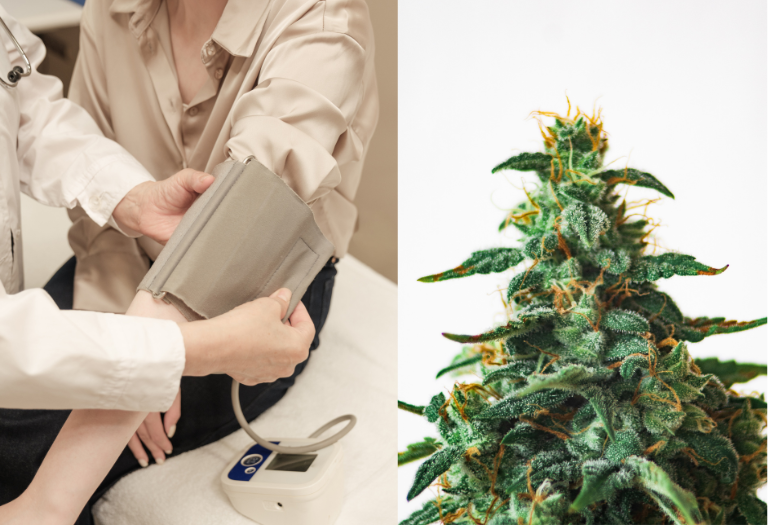
High blood pressure, or hypertension, is one of the most common yet silent health challenges today. Often showing no obvious symptoms, it quietly strains the heart and arteries until it leads to something more serious — like heart disease, stroke, or kidney problems.
While lifestyle changes and prescription medications remain the first line of treatment, some patients are exploring medical cannabis as a way to support heart health naturally. Compounds like THC and CBD interact with the body’s endocannabinoid system (ECS) — a network involved in regulating blood vessel tone, inflammation, and stress. Could this connection make cannabis part of a more balanced approach to blood pressure management?
While lifestyle changes and prescription medications remain the first line of treatment, some patients are exploring medical cannabis as a way to support heart health naturally. Compounds like THC and CBD interact with the body’s endocannabinoid system (ECS) — a network involved in regulating blood vessel tone, inflammation, and stress. Could this connection make cannabis part of a more balanced approach to blood pressure management?
Understanding High Blood Pressure
Blood pressure measures the force of blood pushing against artery walls. When this pressure stays elevated over time, it makes the heart work harder and damages blood vessels.
Types of Hypertension:
- Primary (essential) hypertension: The most common form, developing gradually with age or lifestyle factors.
- Secondary hypertension: Caused by underlying conditions like kidney disease, thyroid disorders, or certain medications.
Common Symptoms:

Although often silent, severe or prolonged hypertension may cause:
- Headaches or dizziness
- Shortness of breath
- Chest pain
- Vision problems
- Fatigue
Common Causes and Triggers
High blood pressure can develop from several factors, often in combination.
- Chronic stress and anxiety
- Poor diet high in sodium or processed foods
- Lack of physical activity
- Excessive alcohol or tobacco use
- Obesity or metabolic conditions
- Genetic predisposition
- Sleep disorders, including sleep apnea
How Medical Cannabis Interacts with Blood Pressure
Cannabis affects blood pressure through the endocannabinoid system (ECS), which helps regulate cardiovascular function, stress response, and inflammation.
- CBD (Cannabidiol): Known for its calming, anti-inflammatory, and anxiolytic effects. It may lower blood pressure by reducing stress, anxiety, and vascular tension.
- THC (Tetrahydrocannabinol): While it can cause short-term fluctuations — sometimes lowering or briefly raising blood pressure — it may also relax blood vessels when used in small, balanced doses.
Potential Benefits of Medical Cannabis for Hypertension
Though not a direct cure, medical cannabis may support heart health in several ways:
- Stress and Anxiety Reduction: Chronic stress is a key factor in high blood pressure. Cannabis, particularly CBD-rich strains, may promote calm and lower cortisol levels.
- Anti-inflammatory Effects: Reducing inflammation in arteries supports better circulation and heart function.
- Improved Sleep: Quality sleep helps regulate blood pressure and recovery; cannabis may aid those with insomnia or restlessness.
- Pain Management: Chronic pain raises stress and blood pressure — cannabis offers a gentler alternative to long-term painkillers.
- Vascular Relaxation: Certain cannabinoids may promote vasodilation, helping arteries expand and improve blood flow.
Risks and Considerations
While cannabis may benefit some, it isn’t suitable for everyone — especially those with cardiovascular conditions.
Potential Risks Include:
Potential Risks Include:
- Temporary blood pressure drops or spikes, especially after inhalation.
- Increased heart rate shortly after use, which can strain the heart.
- Medication interactions — THC and CBD can alter how the liver processes beta-blockers, calcium channel blockers, or anticoagulants.
- Dependence or tolerance with prolonged use of THC-heavy strains.
Who May Benefit from Cannabis-Based Therapies
Medical cannabis may be most helpful for people who experience:
- Hypertension linked to chronic stress or anxiety
- Sleep-related blood pressure fluctuations
- Inflammatory conditions affecting heart health
- Chronic pain contributing to high blood pressure
- Medication side effects from traditional antihypertensives
Legal and Clinical Considerations
In the United States, medical cannabis laws vary by state. While many states permit its use for qualifying conditions like chronic pain, not all list hypertension specifically.
Despite this, individuals with overlapping symptoms (such as anxiety, pain, or insomnia) may qualify for a medical card under broader health categories. Always purchase from licensed dispensaries and choose lab-tested products to ensure safety and consistency.
Despite this, individuals with overlapping symptoms (such as anxiety, pain, or insomnia) may qualify for a medical card under broader health categories. Always purchase from licensed dispensaries and choose lab-tested products to ensure safety and consistency.
A Balanced Perspective
Medical cannabis isn’t a replacement for prescription blood pressure medications, but for some, it may complement traditional care. By easing stress, pain, and inflammation, cannabis could help create a calmer physiological environment where heart health can thrive.
As research expands, its role in cardiovascular wellness will become clearer — but for now, mindfulness, medical oversight, and balance remain the best approach.
As research expands, its role in cardiovascular wellness will become clearer — but for now, mindfulness, medical oversight, and balance remain the best approach.

FAQs
1. Can medical cannabis lower blood pressure?
BD may help reduce stress-related spikes, but effects vary by dose and individual.
2. Does cannabis raise heart rate?
Yes, THC can temporarily increase heart rate, especially at higher doses.
3. Is cannabis safe for people with heart disease?
Use caution — consult a doctor before starting, as effects differ by condition.
4. Can CBD oil replace my hypertension medication?
No. It may complement treatment but should never replace prescribed medication.
5. What’s the best form for managing blood pressure?
Low-dose CBD oils or tinctures are preferred for steadier effects without psychoactivity.
6. Does smoking cannabis harm heart health?
Smoking can irritate lungs and raise cardiovascular risks. Safer options include tinctures or edibles.
7. Can cannabis help stress-related hypertension?
Yes, CBD’s calming effects may reduce stress, which indirectly helps regulate blood pressure.
8. Should I monitor my blood pressure when using cannabis?
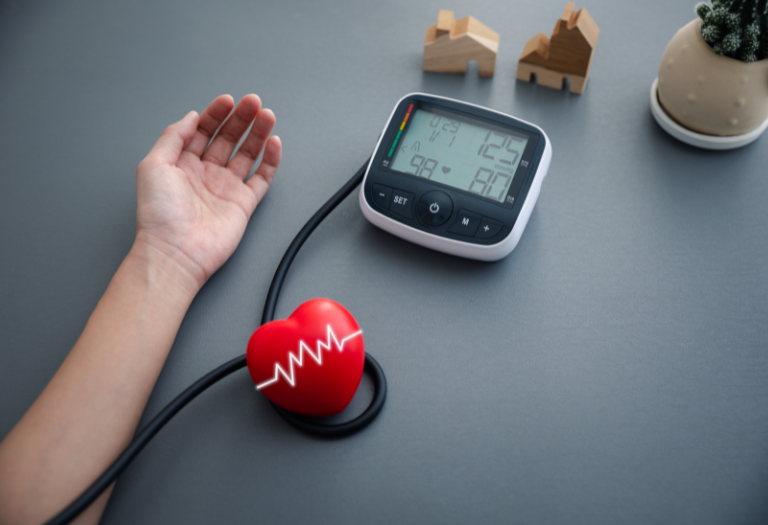
Yes. Track readings regularly, especially when adjusting doses.
Take a Calmer Step Toward Balance
If stress or chronic discomfort keeps your blood pressure elevated, relief may start with a medical marijuana card. Our certified providers simplify the process so you can access safe, effective cannabis care tailored to your health needs.
Don’t let tension control your numbers — start your medical marijuana card application today and move toward a steadier, more balanced tomorrow.
Don’t let tension control your numbers — start your medical marijuana card application today and move toward a steadier, more balanced tomorrow.
Ready to find the
perfect strain for your needs?
Navigating the complexities of medical marijuana laws can be tricky, but with the right information, you can protect your privacy and your rights as a medical cannabis cardholder. At Marijuana Specialist Near Me, we make the process of obtaining a medical marijuana card straightforward, with online consultations and guidance through the legal landscape, ensuring you’re well informed about how your card can be used without compromising your privacy.
