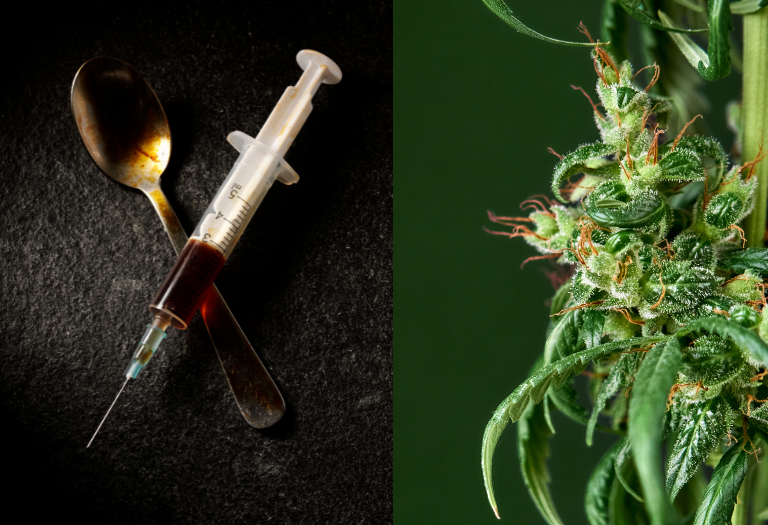
Breaking free from heroin addiction is one of the toughest challenges anyone can face. The body’s dependency on opioids runs deep, making withdrawal both physically and emotionally painful. Symptoms like nausea, muscle pain, insomnia, anxiety, and intense cravings can make early recovery feel nearly impossible without support.
Traditional treatments such as methadone, buprenorphine, and behavioral therapy have proven effective for many, yet relapse rates remain high. That’s why researchers and clinicians are now looking at medical cannabis as a complementary therapy — not as a replacement for proven methods, but as a tool to ease withdrawal, reduce cravings, and support emotional balance during recovery.
By interacting with the body’s endocannabinoid system (ECS) — a network that regulates pain, mood, and stress — compounds like THC and CBD may help bring relief and stability to those navigating the difficult path away from heroin use.
Traditional treatments such as methadone, buprenorphine, and behavioral therapy have proven effective for many, yet relapse rates remain high. That’s why researchers and clinicians are now looking at medical cannabis as a complementary therapy — not as a replacement for proven methods, but as a tool to ease withdrawal, reduce cravings, and support emotional balance during recovery.
By interacting with the body’s endocannabinoid system (ECS) — a network that regulates pain, mood, and stress — compounds like THC and CBD may help bring relief and stability to those navigating the difficult path away from heroin use.
Understanding Heroin Addiction
Heroin is a highly addictive opioid derived from morphine. It produces intense euphoria by binding to opioid receptors in the brain, flooding the body with dopamine. Over time, the brain adapts to these high dopamine levels, making natural pleasure signals weaker and creating powerful cravings.
Common Signs and Symptoms of Heroin Addiction:
- Strong cravings and inability to stop use despite consequences
- Drowsiness, nodding off, or slow breathing
- Constricted pupils and itching
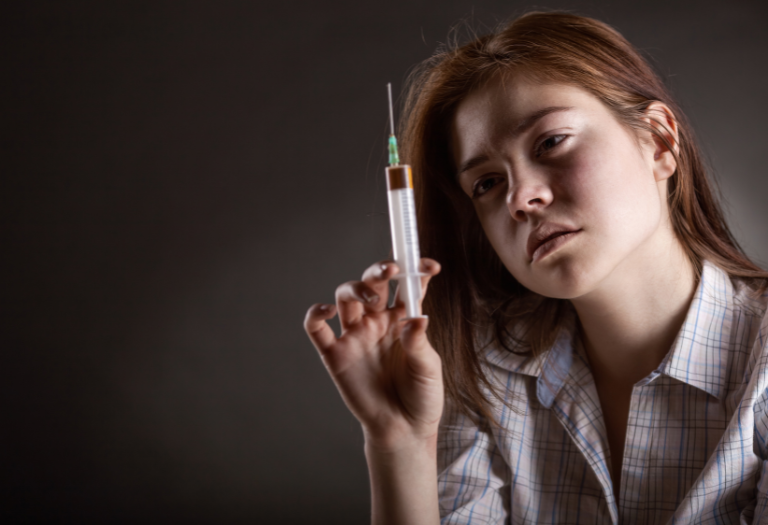
- Weight loss, poor hygiene, or track marks from injections
- Mood swings, anxiety, and irritability
- Withdrawal symptoms when attempting to quit
- Intense muscle aches and abdominal cramps
- Sweating, chills, and restlessness
- Insomnia and irritability
- Nausea, vomiting, and diarrhea
- Overwhelming cravings and anxiety
How Medical Cannabis May Help with Heroin Addiction
Cannabis works through the endocannabinoid system, which plays a key role in regulating pain, emotion, and stress response — all central to addiction and withdrawal. Cannabinoids like CBD (cannabidiol) and THC (tetrahydrocannabinol) bind to or influence receptors (CB1 and CB2) in the brain and nervous system, helping restore balance during recovery.
Here’s how cannabis may support recovery from heroin dependence:
1. Easing Withdrawal Symptoms
Chronic inflammation narrows airways and damages lung tissue. CBD and other cannabinoids have shown anti-inflammatory properties that may help reduce airway irritation and ease breathing.
2. Reducing Cravings
Studies suggest CBD may help reduce cue-induced cravings — the powerful urges triggered by reminders of past drug use. A 2019 clinical trial found that people with heroin addiction who took CBD reported less anxiety and fewer cravings compared to placebo.
3. Managing Anxiety and Mood Swings
Emotional distress is a major trigger for relapse. Cannabis, particularly balanced THC:CBD ratios, can help regulate mood by promoting relaxation and stabilizing dopamine and serotonin levels. For some, it reduces irritability and anxiety that accompany early abstinence.
4. Supporting Sleep and Recovery
Insomnia is common during detox and early recovery. THC may shorten sleep onset time, while CBD can improve overall sleep quality. Together, they may help restore natural sleep patterns — essential for emotional and physical healing.
5. Replacing More Harmful Substances
In some harm-reduction approaches, medical cannabis is used as a substitution therapy for patients transitioning away from opioids. Compared to heroin or prescription opioids, cannabis carries a far lower risk of overdose and dependency. Some patients report using cannabis to stay abstinent and avoid relapse triggers.
Potential Benefits of Medical Cannabis During Recovery
- Less severe withdrawal with fewer cravings
- Reduced anxiety and improved mood stability
- Better sleep quality and overall rest
- Lower reliance on opioids for pain relief
- Improved appetite and physical recovery
- Enhanced emotional balance for sustained sobriety

Risks and Considerations
While medical cannabis may help, it’s not risk-free — particularly for those vulnerable to substance misuse.
Potential Risks Include:
- Dependence or tolerance with heavy, long-term THC use
- Cognitive effects such as slowed reaction time or short-term memory issues
- Mood changes or increased anxiety in sensitive users
- Interactions with medications, especially those processed by the liver
- Triggering relapse if used impulsively or without medical oversight
Recommended Forms of Use
For people in recovery, non-smoking methods are safest and most consistent:
- CBD Oils or Tinctures: Allow precise dosing, fast relief for anxiety and cravings.
- Capsules or Edibles: Longer-lasting effects, good for managing persistent withdrawal discomfort.
- Topicals: Help with muscle soreness or pain without psychoactive effects.
- Transdermal Patches: Provide slow, steady cannabinoid release throughout the day.
Who Might Benefit Most from Cannabis-Assisted Recovery
Medical cannabis may help:
- Those experiencing severe withdrawal symptoms unrelieved by standard care
- Individuals with chronic pain or anxiety disorders co-occurring with addiction
- Patients seeking natural alternatives to manage stress and insomnia
- People in harm-reduction programs transitioning from opioids
- Those at risk of relapse due to emotional instability or sleep disruption
Legal and Clinical Considerations
While heroin is illegal nationwide, medical cannabis laws vary by state. Many states approve cannabis use for chronic pain, opioid use disorder, or withdrawal-related symptoms.
Before starting, patients should:
- Obtain certification from a qualified healthcare provider
- Use only lab-tested, regulated products from licensed dispensaries
- Avoid combining cannabis with methadone or buprenorphine without medical guidance
- Track dosage and effects carefully, noting improvements or side effects
A Balanced Step Toward Healing
Overcoming heroin addiction requires courage, patience, and the right support network. Medical cannabis isn’t a miracle cure — but for some, it can soften the hardest edges of recovery. By calming the body, easing withdrawal, and helping restore emotional balance, it may make the path forward a little less painful.
When used responsibly, alongside counseling and medical care, cannabis can help individuals rebuild their lives with greater comfort, clarity, and control — one day, one step, one victory at a time.
When used responsibly, alongside counseling and medical care, cannabis can help individuals rebuild their lives with greater comfort, clarity, and control — one day, one step, one victory at a time.
FAQs
1. Can medical cannabis cure heroin addiction?
No. It may ease symptoms and cravings but should complement professional addiction treatment.
2. Is it safe to combine cannabis with methadone or Suboxone?
Only under medical supervision, as cannabis may alter medication metabolism.
3. What type of cannabis works best for withdrawal?
CBD-rich or balanced THC:CBD formulations are preferred for anxiety and pain relief.
4. Can cannabis help prevent relapse?
It may reduce stress and cravings, but long-term success requires therapy and support.
5. Is there a risk of replacing one addiction with another?
Yes. Responsible, supervised use is essential to avoid cannabis dependence.
6. Does CBD cause a high?
No. CBD is non-psychoactive and helps manage symptoms without intoxication.
7. How long before cannabis helps with withdrawal?
Effects vary; relief may begin within 30–60 minutes, especially with sublingual or vaporized forms.
8. Should I tell my doctor if I use cannabis during recovery?
Absolutely. Always disclose use to ensure safe, coordinated care.
Relief That Supports Recovery
Overcoming heroin addiction is a journey — one that shouldn’t be faced alone or in constant discomfort. At Marijuana Specialist Near Me, our certified providers help patients access safe, personalized medical cannabis care that complements their recovery plan.
Take a gentler step toward healing — start your medical marijuana card application today and move forward with strength, stability, and renewed hope.
Take a gentler step toward healing — start your medical marijuana card application today and move forward with strength, stability, and renewed hope.
Ready to find the
perfect strain for your needs?
Navigating the complexities of medical marijuana laws can be tricky, but with the right information, you can protect your privacy and your rights as a medical cannabis cardholder. At Marijuana Specialist Near Me, we make the process of obtaining a medical marijuana card straightforward, with online consultations and guidance through the legal landscape, ensuring you’re well informed about how your card can be used without compromising your privacy.
