
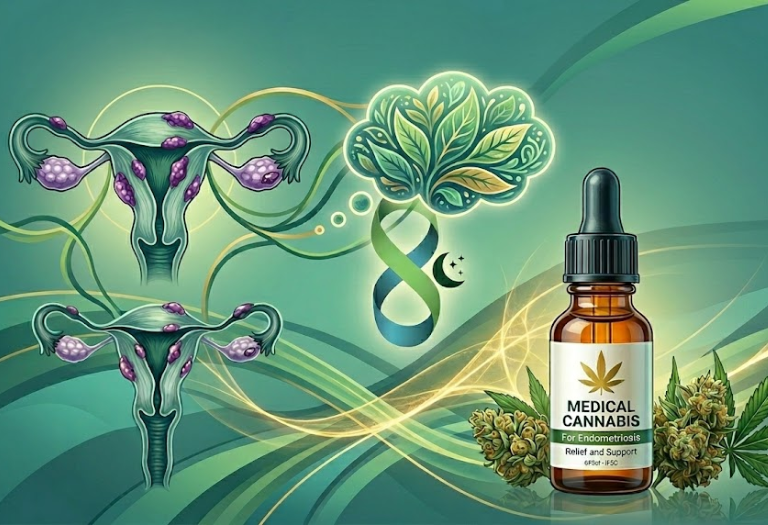
When Period Pain Isn’t “Just Period Pain”
Imagine being told your pain is normal — but every month it feels like your body is at war with itself. The cramps aren’t mild. They’re sharp, radiating, and exhausting. Pain spreads into your lower back. Intimacy hurts. Some days, even standing upright feels like too much.
For millions of women and people assigned female at birth, this isn’t exaggeration. It’s endometriosis.And when traditional treatments don’t bring enough relief, many begin asking: Can medical cannabis help manage endometriosis symptoms safely?
Let’s break it down clearly, responsibly, and based on current medical evidence.
For millions of women and people assigned female at birth, this isn’t exaggeration. It’s endometriosis.And when traditional treatments don’t bring enough relief, many begin asking: Can medical cannabis help manage endometriosis symptoms safely?
Let’s break it down clearly, responsibly, and based on current medical evidence.
What Is Endometriosis?
Endometriosis is a chronic inflammatory condition where tissue similar to the lining of the uterus (endometrium) grows outside the uterus.
- This misplaced tissue may develop on:
- Ovaries
- Fallopian tubes
- Pelvic lining
- Bladder
- Bowel
- In rare cases, outside the pelvic region
- Unlike normal uterine lining, this tissue has no way to exit the body during menstruation. The result:
- Inflammation
- Internal bleeding
- Scar tissue (adhesions)
- Chronic pelvic pain
- According to the World Health Organization (WHO), endometriosis affects approximately 10% of reproductive-age women globally.
- It is a serious, chronic medical condition — not simply “bad cramps.”
Common Symptoms of Endometriosis
- Severe menstrual cramps (dysmenorrhea)
- Chronic pelvic pain
- Pain during or after intercourse
- Painful bowel movements or urination during periods
- Heavy or irregular bleeding
- Fatigue
- Nausea
- Infertility in some cases
1. Exposure and Response Prevention (ERP) Therapy
A structured form of Cognitive Behavioral Therapy (CBT) where patients gradually face triggers while resisting compulsions. ERP has the strongest evidence base for long-term symptom reduction.
2. Selective Serotonin Reuptake Inhibitors (SSRIs)
Often prescribed at higher doses than for depression. Examples include fluoxetine, sertraline, and fluvoxamine.
3. Psychiatric Supervision
For severe cases, augmentation strategies may include antipsychotic medications under medical guidance.
If OCD symptoms are severe, involve self-harm fears, or significantly impair functioning, immediate professional treatment is essential.
Medical cannabis, if considered, should only be explored as a complementary strategy under medical supervision.
If OCD symptoms are severe, involve self-harm fears, or significantly impair functioning, immediate professional treatment is essential.
Medical cannabis, if considered, should only be explored as a complementary strategy under medical supervision.
Standard Treatments for Endometriosis
Medical cannabis is not a cure for endometriosis.Current first-line treatments for endometriosis include:
1. Hormonal Therapy
- Birth control pills
- Progestin therapy
- GnRH agonists
2. Pain Management
- NSAIDs (ibuprofen, naproxen)
- Prescription pain medications in severe cases
3. Laparoscopic Surgery
Used to remove endometrial lesions and scar tissue.
Even with these treatments, many patients continue to experience persistent pain — which is where adjunct therapies like medical cannabis enter the conversation.
Even with these treatments, many patients continue to experience persistent pain — which is where adjunct therapies like medical cannabis enter the conversation.
How Medical Cannabis May Help Endometriosis
Cannabis interacts with the endocannabinoid system (ECS), which plays a role in:
- Pain signaling
- Inflammation regulation
- Immune response
- Hormonal balance
- Gastrointestinal function
THC (tetrahydrocannabinol)
- Alters pain perception
- May reduce muscle spasms
- Stimulates appetite
- Psychoactive in higher doses
CBD (cannabidiol)
- Anti-inflammatory properties
- Non-intoxicating
- May reduce anxiety and pain sensitivity
Potential Benefits of Medical Cannabis for Endometriosis
1. Pelvic Pain Relief
Chronic pelvic pain is the most common and debilitating symptom. Cannabinoids may:
- Reduce nerve hypersensitivity
- Calm inflammatory responses
- Decrease central pain amplification
2. Anti-Inflammatory Effects
Endometriosis is an inflammatory condition.
CBD, in particular, has demonstrated anti-inflammatory activity in laboratory and early human studies. While more research is needed specifically for endometriosis, inflammation modulation is a promising mechanism.
3. Muscle Relaxation
Pelvic floor tension and uterine cramping contribute to pain severity. THC may help reduce muscle spasm intensity in some individuals.
4. Nausea and GI Support
Endometriosis can cause:
- Nausea
- Bloating
- Painful bowel movements
5. Sleep and Fatigue Support
Chronic pain disrupts sleep. Poor sleep increases pain sensitivity.
Balanced THC-CBD formulations may help some individuals fall asleep faster and stay asleep longer — improving overall resilience.
Balanced THC-CBD formulations may help some individuals fall asleep faster and stay asleep longer — improving overall resilience.
What the Research Says
Clinical research specifically on cannabis for endometriosis is still developing.
However:
- Observational studies show many patients self-report symptom relief.
- Preclinical studies suggest cannabinoids reduce inflammation and pain signaling.
- There is growing interest in targeting the endocannabinoid system in gynecologic pain conditions.
Risks and Considerations
Medical cannabis is not risk-free.
1. Psychoactive Effects
High-THC products can cause:
- Anxiety
- Dizziness
- Impaired concentration
2. Tolerance Development
Regular use may require higher doses over time.
3. Hormonal Effects
Research is still evaluating how cannabinoids may influence reproductive hormones. Effects are not fully understood.
4. Fertility Considerations
Patients trying to conceive should consult a physician before using cannabis.
5. Drug Interactions
Cannabis may interact with:
- Hormonal medications
- Antidepressants
- Blood thinners
Safer Use Strategies
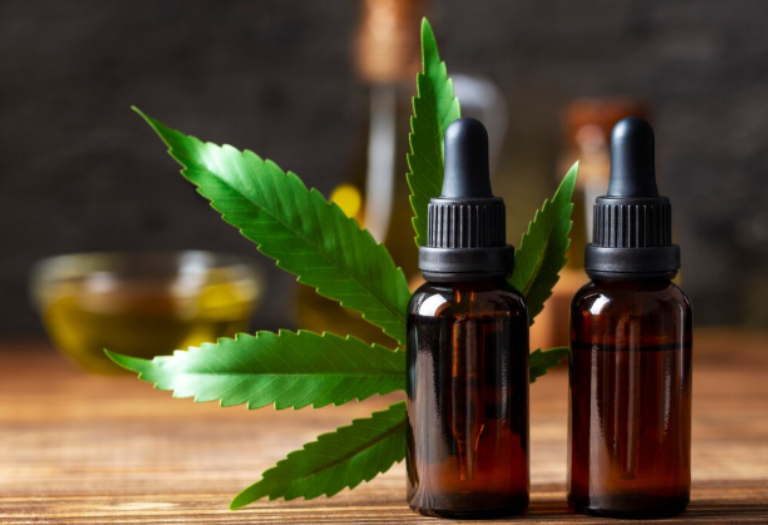
If a healthcare provider determines medical cannabis may be appropriate:
- Start with low doses
- Consider CBD-dominant or balanced formulations
- Avoid smoking (use tinctures, capsules, or regulated products)
- Track symptom changes
- Reassess regularly with your provider

FAQs
1. Can cannabis cure endometriosis?
No. Cannabis may help manage symptoms like pain and inflammation, but it does not remove or shrink endometrial tissue.
2. Is CBD or THC better for endometriosis pain?
CBD may help reduce inflammation. THC may help relieve pain and cramping. Many patients consider balanced THC-CBD ratios.
3. Can cannabis replace surgery?
No. Surgery may still be necessary in moderate to severe cases, especially when adhesions or organ involvement occur.
4. Is medical cannabis safe for children with night terrors?
Eligibility depends on state laws. Some states approve cannabis for chronic pain, which may include endometriosis-related symptoms.
5. Can cannabis affect fertility?
Possibly. Cannabis may influence reproductive hormones. Patients trying to conceive should consult a healthcare provider.
6. Can cannabis help with endometriosis-related nausea?
Yes, THC in particular has known anti-nausea properties and may help during severe flare-ups.
7. Will cannabis stop heavy menstrual bleeding?
There is no strong evidence that cannabis reduces heavy bleeding. It primarily targets pain and inflammation.
8. Can you use cannabis with hormonal therapy?
Sometimes, but cannabis may interact with certain medications. Always speak with a healthcare provider before combining treatments.
9. Is daily cannabis use safe for chronic pelvic pain?
Long-term use may lead to tolerance or side effects. Regular monitoring by a medical professional is recommended.
10. Should I talk to a doctor before trying cannabis for endometriosis?
Yes. Endometriosis is a complex medical condition that requires proper diagnosis and ongoing management.
When to Seek Medical Attention

Immediate medical evaluation is important if you experience:
- Severe, sudden pelvic pain
- Heavy uncontrolled bleeding
- Signs of infection
- Fainting or dizziness
The Balanced Perspective
Endometriosis is complex, painful, and often misunderstood. For some patients, medical cannabis may provide meaningful relief from pain, inflammation, nausea, and sleep disruption. But it is not a cure.It is not first-line therapy. And it should always be used responsibly under medical guidance.
Relief should never come at the cost of safety.
At Marijuana Specialist Near Me (MSNM), our licensed providers help patients explore medical cannabis safely and legally.
We can:
- Review your medical history
- Determine if you qualify
- Recommend appropriate cannabinoid ratio
- Ensure compliance with state laws
- Help you build a structured, responsible plan
Ready to find the
perfect strain for your needs?
Navigating the complexities of medical marijuana laws can be tricky, but with the right information, you can protect your privacy and your rights as a medical cannabis cardholder. At Marijuana Specialist Near Me, we make the process of obtaining a medical marijuana card straightforward, with online consultations and guidance through the legal landscape, ensuring you’re well informed about how your card can be used without compromising your privacy.
