

Imagine living in a body that feels unpredictable—where a simple stretch, step, or sneeze could cause pain or even a joint to slip out of place. For those with Ehlers-Danlos Syndrome (EDS), this is everyday life. The constant pain, fatigue, and fear of injury can turn even routine tasks into challenges.
While treatments like physical therapy, painkillers, and surgery can help, relief often feels fleeting. That’s why many are turning to medical cannabis, which interacts with the body’s endocannabinoid system to help regulate pain, inflammation, and mood. For some, it’s brought back a sense of stability—and even hope—in a life ruled by uncertainty.
While treatments like physical therapy, painkillers, and surgery can help, relief often feels fleeting. That’s why many are turning to medical cannabis, which interacts with the body’s endocannabinoid system to help regulate pain, inflammation, and mood. For some, it’s brought back a sense of stability—and even hope—in a life ruled by uncertainty.
Understanding Ehlers-Danlos Syndrome (EDS)
Ehlers-Danlos Syndrome (EDS) is a group of genetic connective tissue disorders affecting collagen, the protein that gives strength to skin, joints, and organs. Faulty collagen makes tissues fragile, leading to symptoms like joint hypermobility, chronic pain, easy bruising, and skin elasticity.
Common types include hypermobile EDS (hEDS), which causes frequent joint dislocations and muscle pain, and vascular EDS, which can involve blood vessel and organ complications. Many patients also experience fatigue, digestive issues, and poor wound healing, as EDS impacts multiple body systems.
Diagnosis can be difficult, and treatment often requires a multidisciplinary approach combining physiotherapy, pain management, and lifestyle adjustments. Yet, many still face ongoing pain and limited relief from conventional treatments—prompting growing interest in medical cannabis as a complementary option for managing EDS symptoms.
Common types include hypermobile EDS (hEDS), which causes frequent joint dislocations and muscle pain, and vascular EDS, which can involve blood vessel and organ complications. Many patients also experience fatigue, digestive issues, and poor wound healing, as EDS impacts multiple body systems.
Diagnosis can be difficult, and treatment often requires a multidisciplinary approach combining physiotherapy, pain management, and lifestyle adjustments. Yet, many still face ongoing pain and limited relief from conventional treatments—prompting growing interest in medical cannabis as a complementary option for managing EDS symptoms.
Common Symptoms and Challenges
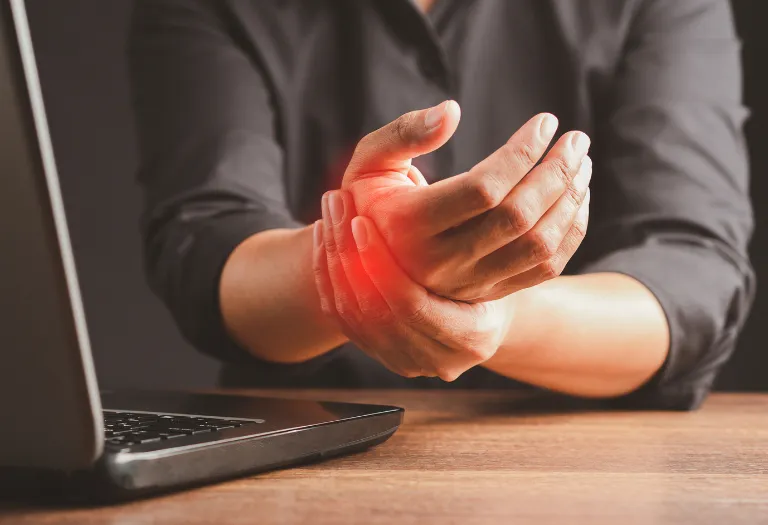
Ehlers-Danlos Syndrome (EDS) is a genetic condition involving abnormal collagen that causes joint instability, fragile skin, and a wide range of symptoms affecting multiple body systems.
1. Chronic Pain
One of the most persistent symptoms of EDS is chronic pain, often caused by joint instability, frequent dislocations, or muscle strain. Pain may range from mild discomfort to debilitating levels that interfere with daily activities.
2. Joint Hypermobility and Dislocations
Loose or unstable joints are common in EDS. Even simple actions like walking, stretching, or lifting can lead to partial or full joint dislocations, often requiring rest, bracing, or medical attention.
3. Fragile Skin and Easy Bruising
Many people with EDS have soft, velvety skin that stretches easily and bruises quickly. Wounds may heal slowly, leaving visible scars or fragile tissue.
4. Fatigue and Poor Sleep
Chronic pain and muscle tension frequently lead to exhaustion and poor-quality sleep. Over time, fatigue can worsen pain perception and affect concentration, mood, and overall functioning.
5. Digestive and Cardiovascular Issues
Some types of EDS can cause gastrointestinal problems such as bloating, nausea, or abdominal pain, while others affect blood vessels, leading to dizziness, heart palpitations, or fainting.
6. Emotional and Psychological Strain
Living with a chronic, often invisible condition can take a toll on mental health. Many EDS patients experience anxiety, depression, or frustration due to the unpredictability of symptoms and limited treatment options.
Managing EDS is complex because it affects nearly all parts of the body. This is why treatment often requires a multidisciplinary approach combining physical therapy, pain management, and psychological support.
How Medical Cannabis May Help
- Pain regulation: THC and CBD interact with the endocannabinoid system (ECS) to reduce pain sensitivity and ease widespread discomfort common in EDS.
- Inflammation control: Cannabinoids help calm inflammatory responses, supporting joint and tissue comfort.
- Muscle relaxation: Cannabis may reduce muscle spasms and tension, promoting physical relaxation.
- Sleep improvement: Its calming effects can aid insomnia and improve sleep quality.
- Mood support: CBD may help manage anxiety and depression linked to chronic illness.
- Energy and fatigue: Early research suggests cannabinoids may support mitochondrial function, potentially reducing fatigue.
Benefits of Medical Cannabis for EDS Patients
Managing Ehlers-Danlos Syndrome often involves targeting multiple, overlapping symptoms at once. Medical cannabis is being explored as a supportive option that may help address several of these challenges simultaneously, as outlined below.
1. Pain Relief
Chronic pain is one of the most challenging aspects of EDS. Studies suggest that cannabinoids interact with the body’s endocannabinoid system (ECS) to modulate pain signals, helping to reduce discomfort from joint instability, nerve irritation, and muscle strain. Many patients report a noticeable reduction in daily pain and dependence on opioid medications after incorporating cannabis.
2. Reduced Inflammation
Joint inflammation and tissue irritation are common in EDS. Both THC and CBD possess anti-inflammatory properties that may help reduce swelling and stiffness, allowing for improved movement and joint comfort.
3. Muscle Relaxation and Spasm Relief
Frequent muscle spasms can cause added pain and tension for EDS patients. Cannabis’s muscle-relaxant effects, especially from THC, may help ease spasms and promote relaxation, offering similar relief seen in conditions like multiple sclerosis.
4. Better Sleep Quality
Poor sleep often accompanies chronic pain and anxiety. Cannabis, particularly strains with calming terpene profiles or higher THC content, can help patients fall asleep faster and stay asleep longer, improving rest and recovery.
5. Anxiety and Mood Support
Living with EDS can be mentally taxing. CBD’s anxiolytic (anxiety-reducing) and mood-stabilizing properties may help reduce emotional distress and improve overall outlook. Patients often report a greater sense of calm and emotional balance with controlled cannabis use.
By addressing multiple symptoms, medical cannabis may serve as a supportive therapy for EDS patients seeking relief from chronic pain, sleeplessness, and anxiety while enhancing overall quality of life.

Who Can Benefit from Medical Cannabis for EDS
Medical cannabis may be suitable for certain Ehlers-Danlos Syndrome (EDS) patients who struggle with persistent symptoms despite standard treatments, including the following groups:
• Individuals with chronic pain and inflammation:
It may help reduce joint, muscle, and nerve pain while easing inflammation that contributes to daily discomfort.
• Those experiencing muscle spasms or tension:
Cannabinoids such as THC and CBD can promote muscle relaxation and reduce strain caused by frequent joint instability or dislocations.
• Patients with sleep disturbances or fatigue:
The calming effects of cannabis may improve sleep quality, supporting better rest and recovery.
• Individuals dealing with anxiety or mood changes:
CBD has been associated with reduced anxiety and improved emotional balance in people managing chronic conditions.
• Patients sensitive to conventional medications:
For those who cannot tolerate opioids or other pain relievers, medical cannabis may offer a gentler alternative.
When appropriately prescribed and medically supervised, cannabis can complement existing EDS treatments and support overall quality of life.
Potential Risks and Side Effects
While medical cannabis may provide symptom relief for some people with Ehlers-Danlos Syndrome (EDS), it’s important to understand the possible risks and use it under proper medical guidance.
1.Psychoactive effects:
Tinctures are liquid cannabis extracts placed under the tongue for fast absorption and precise dosing. Effects begin within 15–30 minutes, making them ideal for those who prefer to avoid inhalation.
2.Heart rate and blood pressure changes:
Edibles and capsules provide longer-lasting relief—typically 4–6 hours or more—but take 30 minutes to 2 hours to take effect. They’re better suited for ongoing symptom control rather than immediate relief.
3.Fatigue and drowsiness:
Vaporizing delivers near-instant relief by sending cannabinoids directly into the bloodstream through the lungs. Many find it effective at the first sign of a migraine, but it’s best to use regulated devices and avoid smoking raw cannabis to prevent lung irritation.
4.Digestive discomfort:
Applied to the skin, these products help ease muscle tension in the neck, temples, or shoulders—common headache triggers—though they don’t treat internal pain.
5.Tolerance and dependency:
Prolonged high-dose THC use may lead to tolerance or dependence, making medical oversight essential.
6.Medication interactions:
Cannabis can interact with certain prescriptions, including pain medications and antidepressants, potentially altering their effectiveness.
When used thoughtfully with professional supervision, medical cannabis can be integrated safely into an EDS care plan while minimizing unwanted effects.
Balancing Life with EDS Through Smarter Relief
Living with Ehlers-Danlos Syndrome often means navigating pain, fatigue, and emotional strain that few treatments fully resolve. Medical cannabis doesn’t cure EDS, but for many, it helps restore a sense of control—offering gentler, more comprehensive relief than traditional medications alone.
By working with the body’s natural endocannabinoid system, cannabis can ease chronic pain, reduce inflammation, calm the mind, and promote more restful sleep—all vital to improving quality of life.
By working with the body’s natural endocannabinoid system, cannabis can ease chronic pain, reduce inflammation, calm the mind, and promote more restful sleep—all vital to improving quality of life.

With proper medical guidance and individualized dosing, it can become a meaningful part of a broader care plan, helping EDS patients move through daily life with greater comfort, stability, and confidence.
When the Noise Finally Fades
For those who live with constant headaches or migraines, the world can feel like it’s always humming — too bright, too loud, too much. Medical cannabis doesn’t promise to silence that noise entirely, but for many, it helps turn the volume down.
By easing pain, calming inflammation, and promoting balance within the body, cannabis offers a gentler way forward — one rooted in relief rather than resistance. It’s not about escaping the pain, but reclaiming the moments it once stole. With thoughtful use and medical guidance, clearer, quieter days may finally be within reach.
By easing pain, calming inflammation, and promoting balance within the body, cannabis offers a gentler way forward — one rooted in relief rather than resistance. It’s not about escaping the pain, but reclaiming the moments it once stole. With thoughtful use and medical guidance, clearer, quieter days may finally be within reach.

FAQs
1. Can medical cannabis cure Ehlers-Danlos Syndrome?
No. Cannabis doesn’t cure EDS but can help manage pain, inflammation, and related symptoms.
2. What symptoms of EDS can cannabis help with?
It may relieve chronic pain, muscle spasms, sleep problems, anxiety, and inflammation.
3. Is CBD or THC better for EDS?
CBD is preferred for daytime use and anxiety relief, while THC may help with pain and sleep.
4. Can medical cannabis replace pain medication?
Some patients reduce or stop opioids after starting cannabis, but this should be medically supervised.
5. Are there any side effects of using cannabis for EDS?
Possible effects include dizziness, dry mouth, fatigue, or mild cognitive changes, usually dose-related.
6.How should EDS patients start cannabis treatment?
Start with a low dose under medical supervision, adjusting slowly to find effective relief.
7. Is medical cannabis legal for EDS?
Legality varies by state. Check local laws and consult a licensed provider before use.
8. Does cannabis help with EDS-related anxiety or depression?
Yes. CBD and balanced THC:CBD strains may help reduce anxiety and stabilize mood.
Start Your Path to Easier Days
Tired of pushing through pain when better options exist? Discover a more supportive path to managing EDS symptoms with our personalized medical cannabis care—apply for your medical marijuana card today and stop missing out on calmer, easier days.
Ready to find the
perfect strain for your needs?
Navigating the complexities of medical marijuana laws can be tricky, but with the right information, you can protect your privacy and your rights as a medical cannabis cardholder. At Marijuana Specialist Near Me, we make the process of obtaining a medical marijuana card straightforward, with online consultations and guidance through the legal landscape, ensuring you’re well informed about how your card can be used without compromising your privacy.
